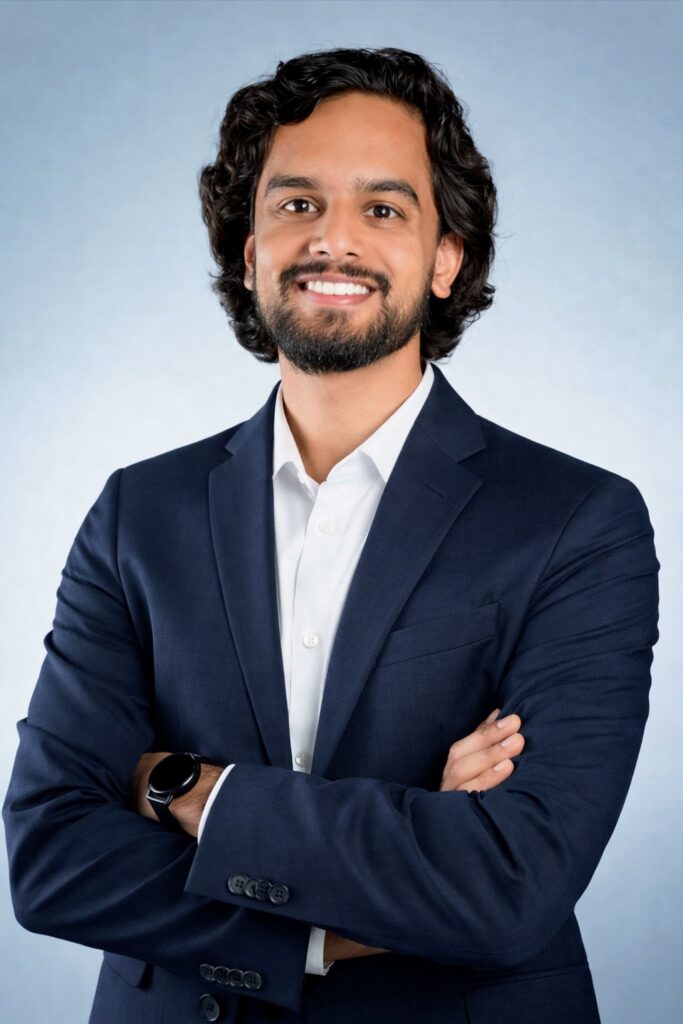
Shomik Verma
Assistant Professor, Rice University
Paul & Daisy Soros Fellowship awarded in 2023 to pursue a PhD in Mechanical Engineering at Massachusetts Institute of Technology (MIT).
Shomik Verma is the child of immigrants from India.
Related Articles
-
 Read more: Introducing the 2024 Paul & Daisy Soros Public Voices Fellows
- OpEd Project
Introducing the 2024 Paul & Daisy Soros Public Voices Fellows
-
 Read more: Paul and Daisy Soros Fellowships Award 2023 Class of Distinguished New Americans Merit-Based Funding for Graduate School
- Announcement
Paul and Daisy Soros Fellowships Award 2023 Class of Distinguished New Americans Merit-Based Funding for Graduate School
Meet More Fellows
-
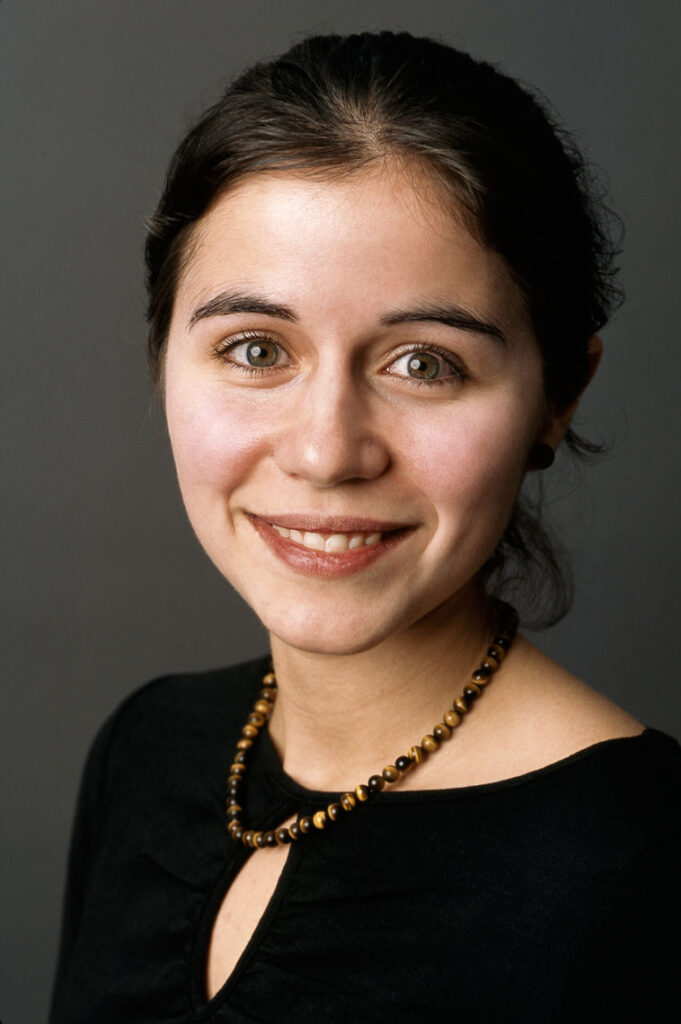
Markella Zanni
Professor of Medicine, Harvard Medical School
Markella Zanni is the child of immigrants from Greece. Fellowship awarded in 2002 to support work towards an MD in Medicine at Harvard University
-
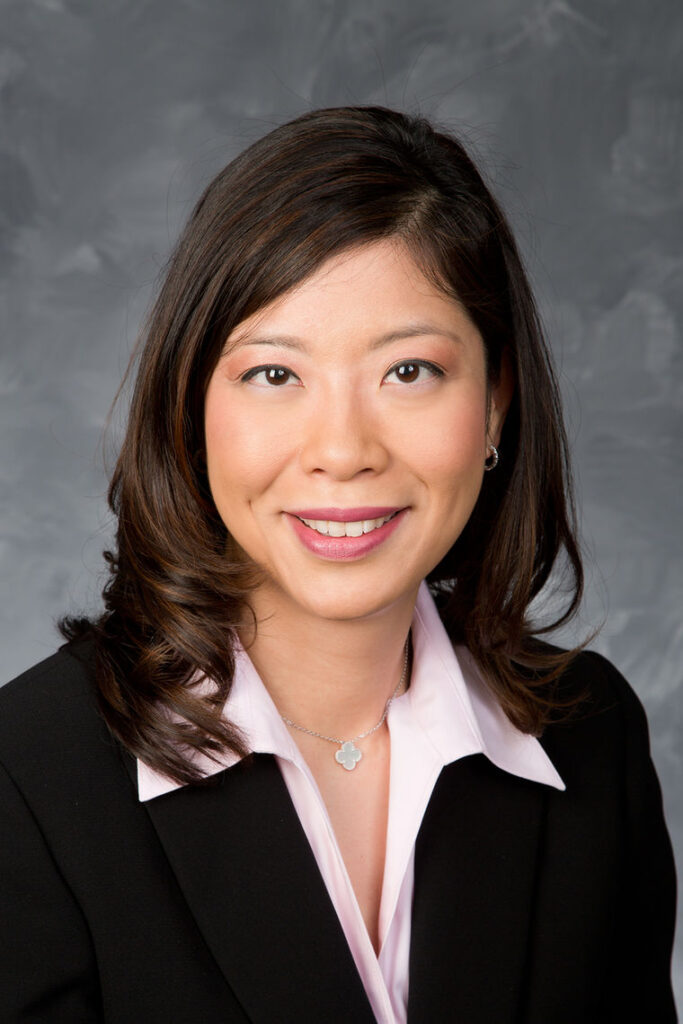
Anita Yang Hsu
Senior Vice President and General Counsel, MBK Real Estate Companies
Anita Yang Hsu is an immigrant from Taiwan. Fellowship awarded in 1998 to support work towards a JD in Law at University of California, Berkeley
-
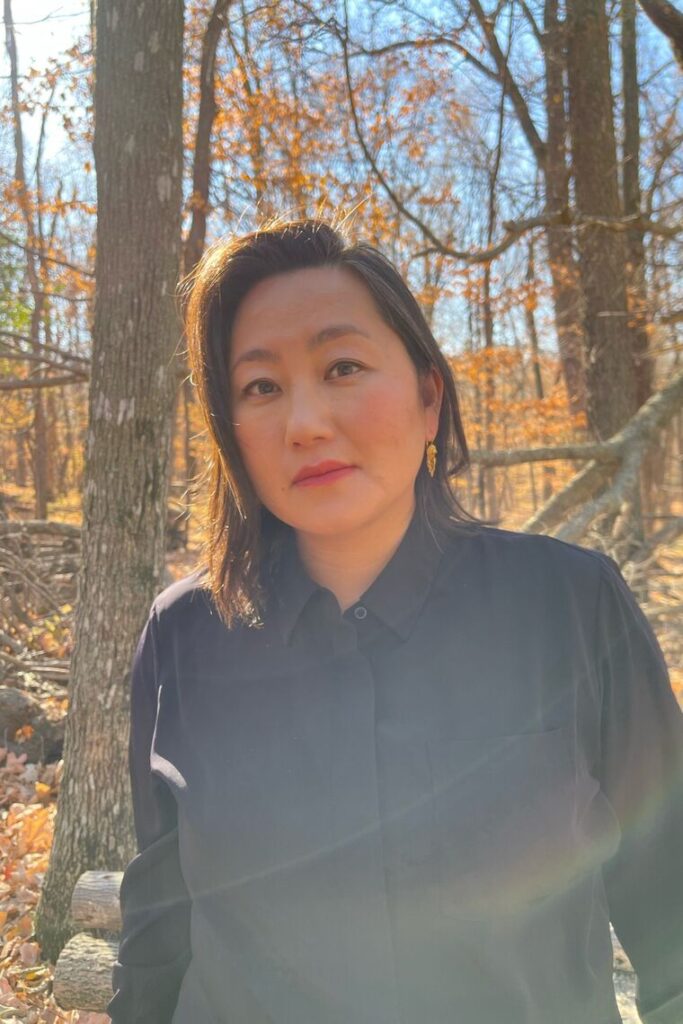
Kao Kalia Yang
Activist & Professor, Author
Kao Kalia Yang is an immigrant from Thailand. Fellowship awarded in 2003 to support work towards an MFA in Creative Writing at Columbia University
-
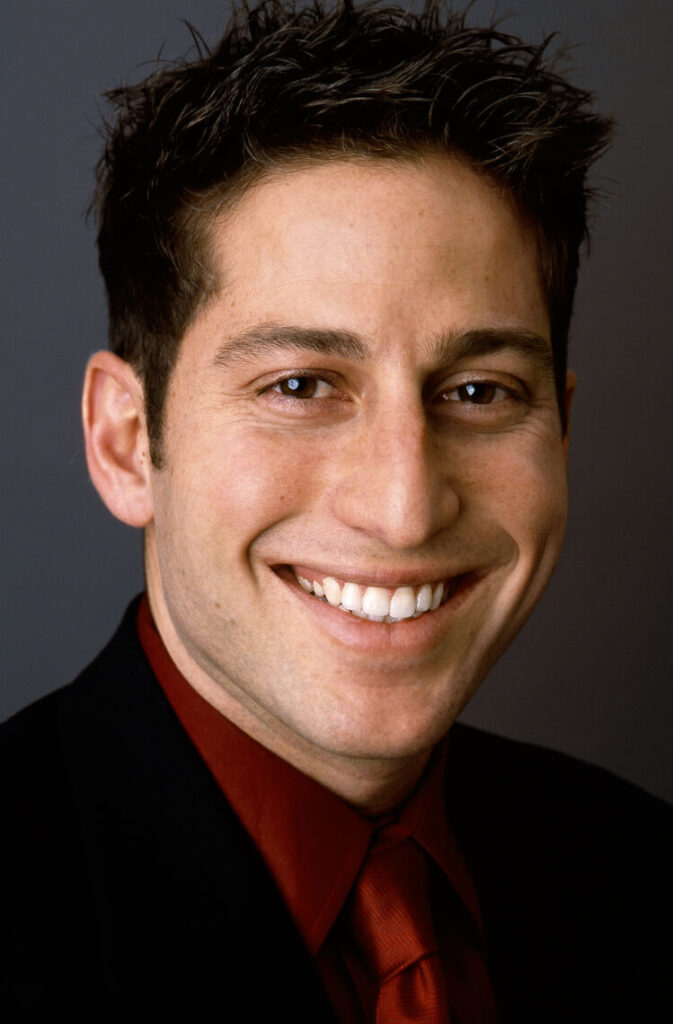
Richard Vidal
Owner & CEO, Newvida Preserve & Cascada Farm LLC
Richard Vidal is the child of immigrants from Cuba. Fellowship awarded in 2003 to support work towards an MD in Medicine at University of Pennsylvania