- Fellowship News
Introducing the 2026 public voices fellows
The Paul & Daisy Soros Fellowships for New Americans, in partnership with The OpEd Project, are happy to announce the 2026 Public Voices Fellows. The year-long fellowship will provide a cohort of twenty Paul & Daisy Soros Fellows with extraordinary support, leadership skills, and knowledge to ensure their ideas shape not only their fields, but also the greater public conversations of our age.
Learn about the Paul & Daisy Soros Fellows in our 2026 Public Voices cohort here:
Alex-Handrah Aime (2002 Fellow)

Alex-Handrah Aimé is vice president of network investments at Meta, where she leads the global organization responsible for the subsea cable and terrestrial fiber networks that connect Meta’s data centers. She oversees long-term infrastructure investments spanning multiple continents and helps shape the digital infrastructure that underpins AI, commerce, and global connectivity.
Before joining Meta, Alex spent more than a decade in emerging-markets private equity. She was a partner at Emerging Capital Partners, where she sourced, structured, and managed more than $1 billion in growth-capital investments across Africa. She also served as interim chief executive officer of a multi-country education platform. Earlier in her career, she worked in management consulting before moving into finance and investing at Goldman Sachs.
Alex serves as a commissioner on the Los Angeles County Workforce Development Board, where she focuses on expanding pathways to economic opportunity. She also serves on the board of NEO Philanthropy and on the investment committees of several Africa-focused venture capital firms.
Born in Port-au-Prince, Haiti, and raised in Brooklyn, New York, Alex’s work has focused on expanding access to the infrastructure, capital, and institutions that create economic opportunity. She holds a bachelor’s degree in biochemistry from Harvard College and a JD and MBA from Stanford University.
Cherline Bazile (2019 Fellow)
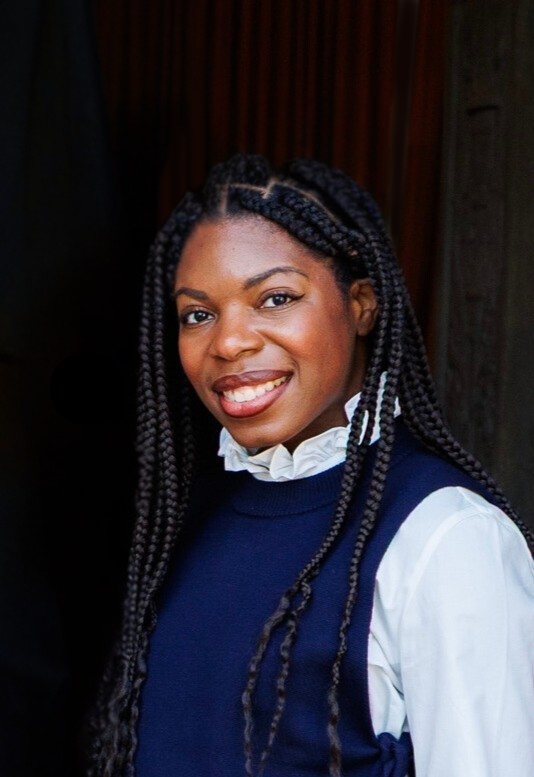
Cherline Bazile is an award-winning fiction writer. Born in Florida to Haitian immigrants, Cherline learned strength and defiance from her mother who raised five children on her own despite financial difficulties.
Cherline graduated from Harvard University and received her MFA in Fiction from the University of Michigan. Her writing explores power dynamics in intimate relationships, how race and money undergird environmental disaster, and the quest for joy in bleak times.
Cherline’s writing has been featured in NPR’s Selected Shorts, The Sewanee Review, Symphony Space Theater, TIME, the Best American Short Stories, and more. Cherline has received fellowships from the Andrew W. Mellon Foundation, the Vermont Studio Center, and the Mass Cultural Council, among others.
She is a GrubStreet Teaching Fellow, where she teaches creative writing. Cherline works as a researcher, writer, and narrative strategist on the creator economy. She lives in Boston.
Amit Bouri (2006 Fellow)
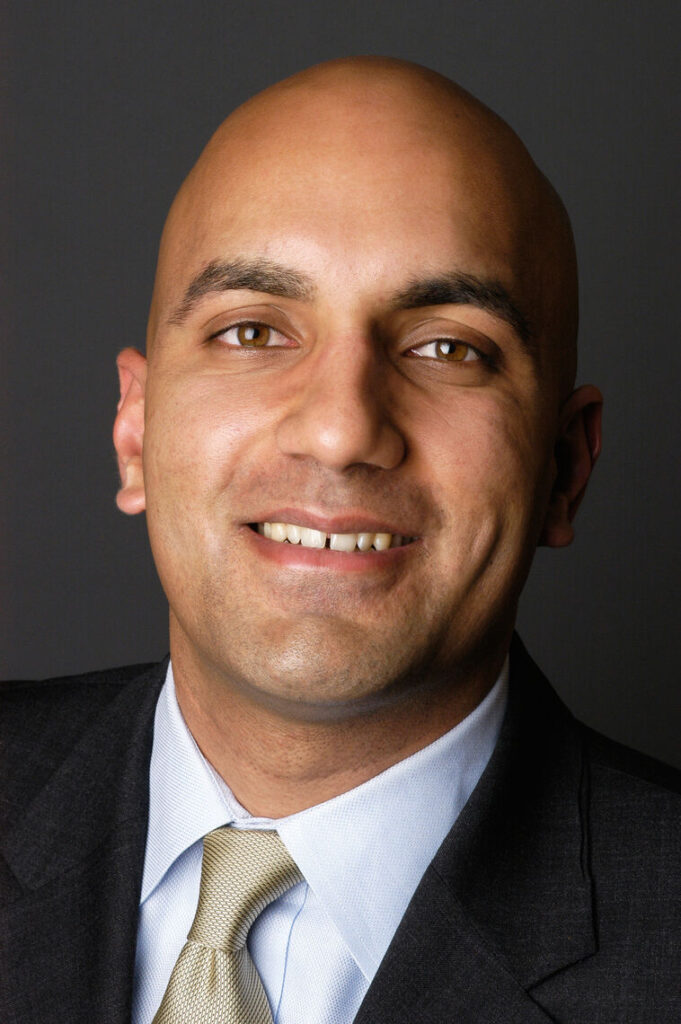
Amit Bouri is the CEO of the Global Impact Investing Network (GIIN), which he co-founded. Amit is a leader in the impact investing field. Previously, he was a consultant at the Monitor Institute, a Boston-based strategy consulting organization serving the social sector.
Amit was born in California and raised by a single mother from India. Amit graduated with an MPA/MBA joint-degree at the Kennedy School of Government at Harvard University and the Kellogg School of Management at Northwestern University, where he led global health and corporate social responsibility initiatives.
He received his BA in sociology and anthropology from Swarthmore College. While there, he studied traditional Chinese medicine in Shanghai, China, and co-founded a mentoring program for underprivileged immigrant children in Philadelphia’s Chinatown.
After his graduation, Amit worked first as a consultant for Bain & Company and then for the Elizabeth Glaser Pediatric AIDS Foundation, where he contributed to the implementation of international programs to prevent mother-to-child transmission of HIV. Recently, he helped develop a strategic plan for Johnson & Johnson’s HIV/AIDS philanthropic efforts.
Amit envisions a career focused on mobilizing private, public, and nonprofit resources to address poverty and inequity.
Katherine Fang (2021 Fellow)
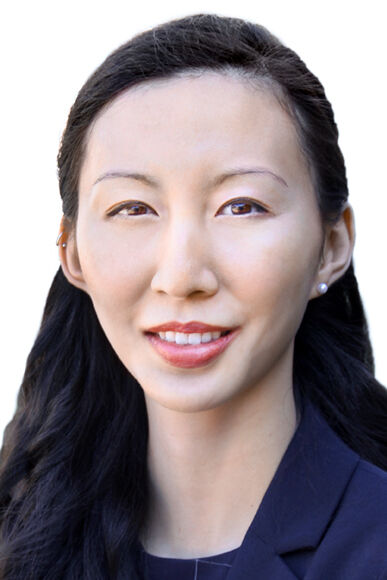
Katherine Fang was born in Houston, Texas, where she was raised by parents and grandparents from China. Because of her family’s background, Katherine has long been dedicated to understanding issues of citizenship and political participation.
After graduating with a degree in global affairs and modern Middle East studies from Yale College, Katherine spent a year teaching English and working on refugee policy at the United Nations Development Program’s Middle East Regional Office in Amman, Jordan, as a Fulbright Scholar.
She has also served as a speechwriter at the International Organization for Migration headquarters in Geneva, Switzerland. Before entering law school, Katherine was an economics research associate at Harvard Business School, where she investigated issues of gender equity in the labor market.
At Yale Law School, Katherine pursued projects focused on access to public benefits and criminal justice reform. She co-ran the Capital Assistance Project, which pairs law student interns with legal aid organizations seeking to overturn the death penalty. Katherine was a research assistant at The Center for Law, Brain, & Behavior at Harvard, where she aided retired federal Judge Nancy Gertner in ongoing academic projects and in developing a training program to encourage federal judges to integrate scientific evidence on addiction and mental health into sentencing decisions. In addition, she collaborates with California Supreme Court Justice Goodwin Liu on the Portrait Project 2.0, an empirical study into Asian American representation in law and politics. A former Kerry Initiative Fellow, she supported Secretary John Kerry in researching and organizing conferences on pressing international challenges. Recently, Katherine interned at the Georgia Justice Project in Atlanta, where she worked on an initiative to ensure COVID-19 relief checks remained in the hands of incarcerated individuals. With the support of the Paul & Daisy Soros Fellowship, she plans to continue thinking through how to build a more responsive, inclusive government.
Suzanne Goh (2001 Fellow)
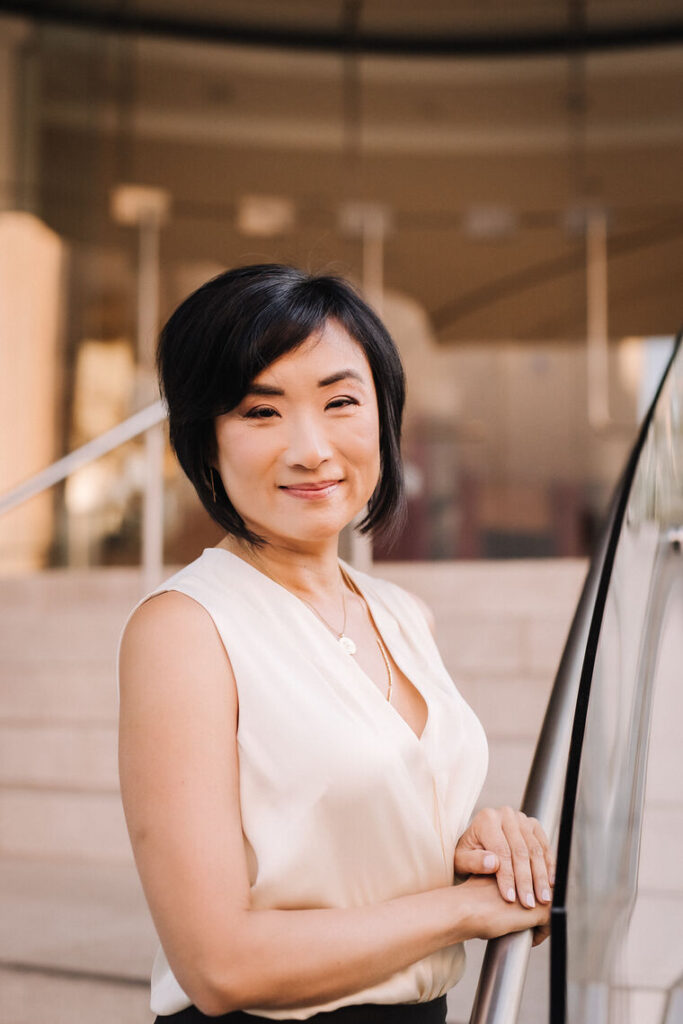
Suzanne Goh is a pediatric neurologist, board-certified behavior analyst, and neuroscience researcher. She is the author of Magnificent Minds: The New Whole-Child Approach to Autism and the founder of Cortica – a health services organization with medical and behavioral health centers across the country that provide a comprehensive whole-child approach to autism care.
Suzanne is a graduate of Harvard Medical School; she attended Oxford University as a Rhodes Scholar; and she completed her neurology residency training at the University of California, San Francisco.
She has served on the faculty of Columbia University where she was Co-Director of Columbia’s Developmental Neuropsychiatry Clinic for Autism. Her research has focused on the biological causes of autism and the use of brain imaging to identify patterns of neural circuitry and brain chemistry in autism.
Suzanne is the daughter of Chit-Guan and Annie Goh, who immigrated to the US from Malaysia and Taiwan. She lives in San Diego, California, with her husband and two children. When she’s not in the clinic with her patients, she enjoys yoga and hiking with her family.
tiffanie hsu (2015 FEllow)
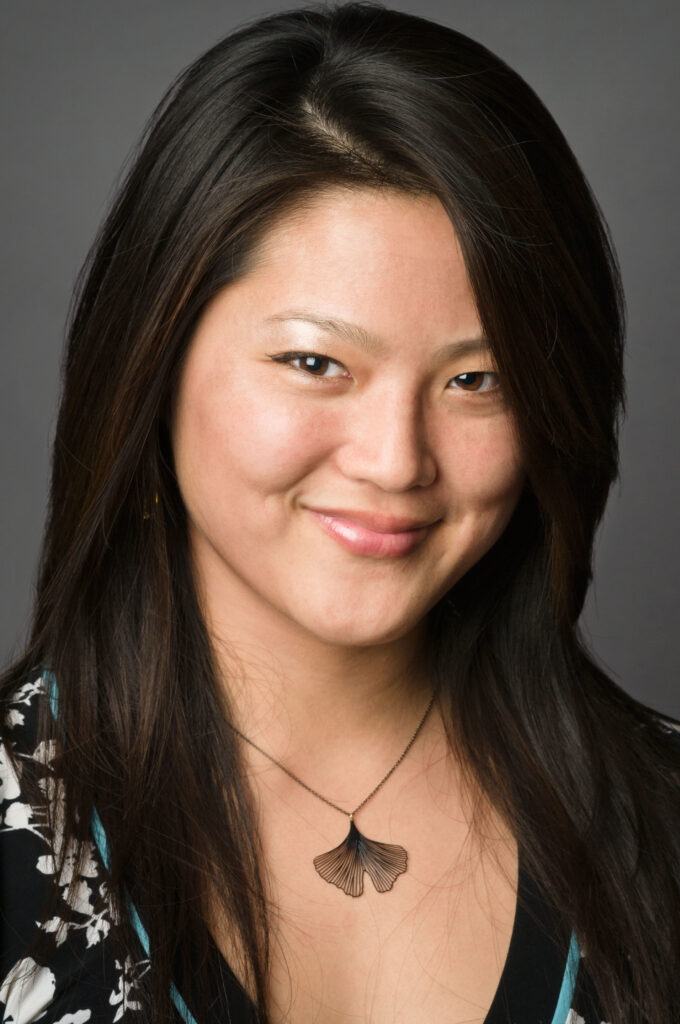
Tiffanie is an award-winning filmmaker. As an MFA candidate at UCLA, she makes films that incorporate her unique outsider perspective and expand the breadth of the American experience represented in film.
Tiffanie was born in Wisconsin to a mother who fled from civil war in China at the age of three and a Taiwanese father who overcame profound poverty to earn a doctorate in chemical engineering in the United States.
Tiffanie’s fascination with narrative blossomed at Harvard University where she directed several films, one of which, “Three Beauties”, was awarded the prestigious Thomas T. Hoopes Prize. After Harvard, Tiffanie worked closely with director Ang Lee for three years on “Life of Pi”. Tiffanie has also worked extensively with Leehom Wang, a popular musician in Asia.
Upon returning to the United States, Tiffanie wrote and directed “Sutures” in the American Film Institute Directing Workshop for Women (AFI-DWW), a highly selective program committed to mentoring female directors. “Sutures” has played in several festivals and garnered awards including the “Excellence in Short Filmmaking Award” at the Asian American International Film Festival and the Jean Picker Firstenberg Award in the AFI-DWW Showcase. The short continues its festival run through the end of 2015.
Her films strive to tell stories that show people overcoming their own isolation, coming at last to make strong human connections.
Sergio Infante (2021 Fellow)

Sergio Infante was born in Bogotá, Colombia and moved with his parents to Houston, Texas at the age of five. He is a PhD candidate in global history at Yale University. His research examines the relationships between the social sciences, economic development, and antipoverty programs, with a special focus on twentieth-century South America. He is writing a history of the “informal sector” and “informal economy” as concepts. His work touches on several themes that concern historians of the recent past, such as transnational migration, gig work, population growth, technocracy, democracy, and the Cold War. Sergio received a BA in history from Yale College in 2018 and an MPhil in modern South Asian studies from the University of Cambridge in 2019. He is a recipient of the PD Soros “New Americans” Fellowship, the Beinecke Fellowship of the Sperry Fund, the Charles and Julia Henry Fellowship, and most recently, the History of Economics Society’s Young Scholars Award. Before enrolling at Yale, Sergio was an editor at Foreign Affairs Magazine.
Philsan Isaak (2023 Fellow)
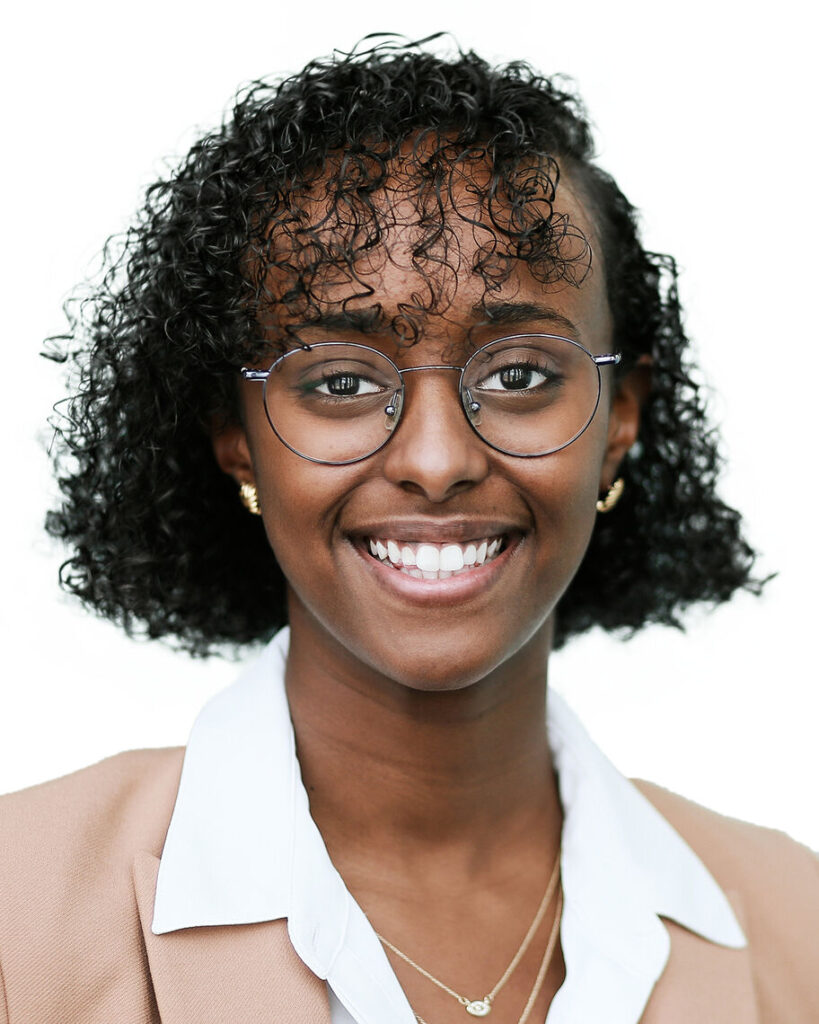
Philsan Isaak was born in Minneapolis, Minnesota to Yosseph Isaak and Nimo Ahmed—immigrants from Hargeisa, Somalia. In 1988, both of Philsan’s parents fled Somalia due to the escalating civil war and Isaaq Genocide. After over a decade apart, they reunited in Minnesota, where they married and settled down. Inspired by her parents’ determination to create a better life for their children, Philsan became committed to using the law as an instrument to create further positive change for future generations.
From a young age, Philsan found community with her multicultural peers. She completed her early years of schooling at an Islamic school where nearly the entire student body was made up of New Americans from different regions.
It was in this space that Philsan came to understand the value in unabashed intellectual curiosity and diverse perspectives. Additionally, although she did not share her parents’ career interest in healthcare, Philsan’s parents modeled true passion and commitment and she strove to find something that she was equally as passionate about. Philsan’s multilingual and multicultural upbringing fostered an interest in international relations and, ultimately, international law.
At the University of Minnesota, Philsan learned more about the sociopolitical factors that contribute to genocide and forced displacement. She began to see her parents’ experiences in a new light. Their experiences no longer seemed like horrifying exceptions to the rule; they were examples of a covert system of human rights abuses.
Philsan was guided by two incredible mentors at the University of Minnesota—Lisa Hilbink and Gabrielle Ferrales, who encouraged her intellectual curiosity and passion to make a difference. Under their mentorship, she conducted research on the Darfuri Genocide, and edited and published a student-magazine with articles that covered conflicts all across Latin America. Philsan continues to seek out opportunities that might allow her to help shed light on human rights abuses that are frequently disregarded by mainstream media.
After completing her undergraduate studies, Philsan was eager to learn more about the law and its role in rectifying rights violations globally. Currently, she is enrolled at Yale Law School.
Stephen Narain (2012 Fellow)
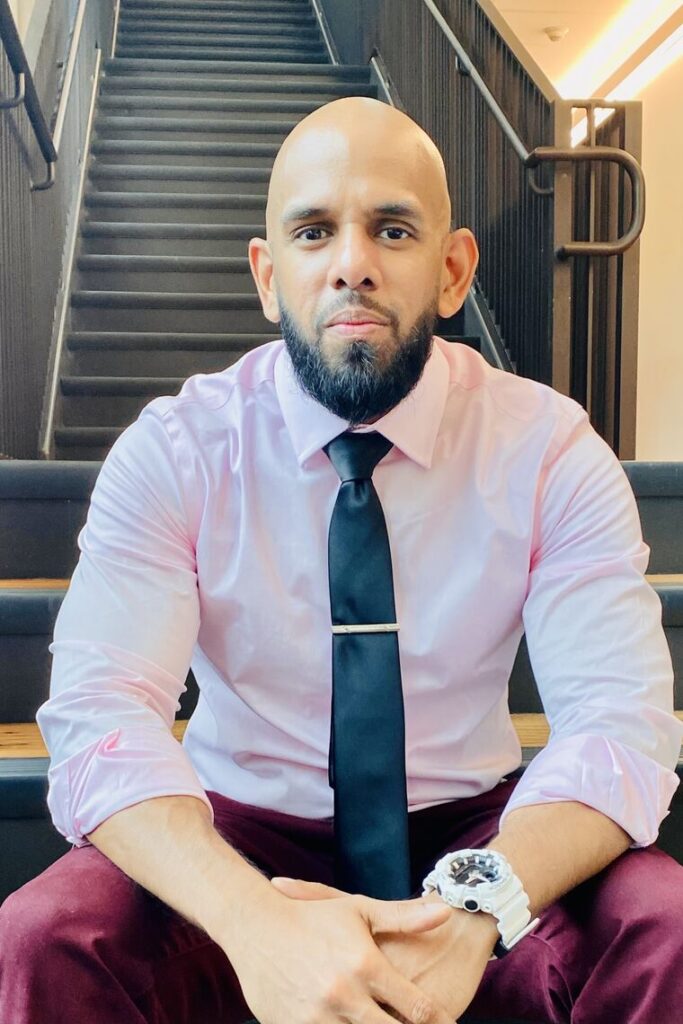
Stephen Narain is a PhD student in English and Creative Writing at the University of Miami, where he concentrates in Caribbean Studies under the supervision of Patricia Saunders. His debut novel, The Church of Mastery, a coming-of-age story about artistic formation set against the backdrop of West Indian independence and the rise of the Civil Rights movement, will be published by Restless Books in 2027.
Born and raised in Freeport, Bahamas to Guyanese parents, Stephen immigrated to Florida at sixteen. He earned an AB in English from Harvard College and an MFA in fiction from the Iowa Writers’ Workshop. His essay “Superpositional Minds: Multilocal Consciousness, AI, and the Posthuman Turn” was shortlisted for the 2025 Berggruen Institute Essay Competition. His current academic project applies concepts from quantum mechanics to Caribbean literature with a focus on contemplation, walking, humor, and carnival as sites of self-construction.
Stephen’s fiction and essays have appeared in Small Axe, the Los Angeles Review of Books, Moko, and Wasafiri‘s special issue on the afterlives of indentured labor. He is the recipient of the 2025 Steven G. Kellman Prize for Immigrant Literature, the Bristol Short Story Prize, the Alice Yard Prize for Art Writing, the Small Axe Fiction Prize, and the John Thouron Prize for study at Cambridge University.
Prior to beginning his Ph.D., Stephen spent over a decade teaching writing and literature at the University of Iowa, Valencia College, and The Door: A Center of Alternatives, a youth advocacy center in Lower Manhattan.
ANNA NEIMARK (2004 FELLOW)
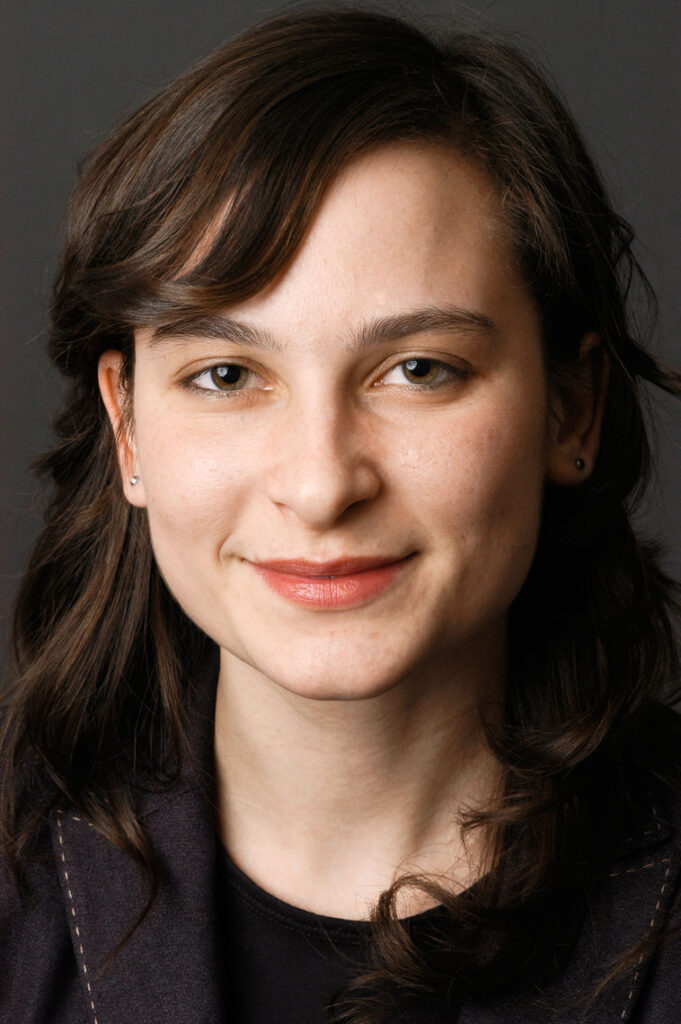
Anna Neimark is a founding partner of First Office Architecture. She is also a faculty at Southern California Institute of Architecture.
A naturalized citizen, she was born in Moscow to a Russian mother and Jewish-Ukrainian father, and moved to the United States at the age of 14. Her family now lives in Los Angeles, California. She is married to Michael Osman.
Anna completed her architecture master’s program at Harvard University’s Graduate School of Design. In 2003, she received a BA degree with high honors in architecture from Princeton University, and was awarded the Haarlow Prize for the best paper in humanistic studies, the Joseph Shanley Travel Prize for architectural design, and the Art and Archaeology Frederick Barnard White Prize for the best thesis in architectural theory.
Her thesis, which had substantial visual and written components, explored how architectural theory in early modern Europe was shaped by new forms of inquiry into the human body.
Upon completing her masters, Anna was a junior architect at the Office of Metropolitan Architecture. She taught a studio class in Harvard University’s Career Discovery Program. Anna was awarded the Julia Amory Appleton Traveling Fellowship to pursue a year-long independent research and design project entitled, “Water, Politics, Architecture.” Since then, Anna returned to the GSD as a visiting faculty to teach an option studio.
Patricia Nguyen (2014 Fellow)
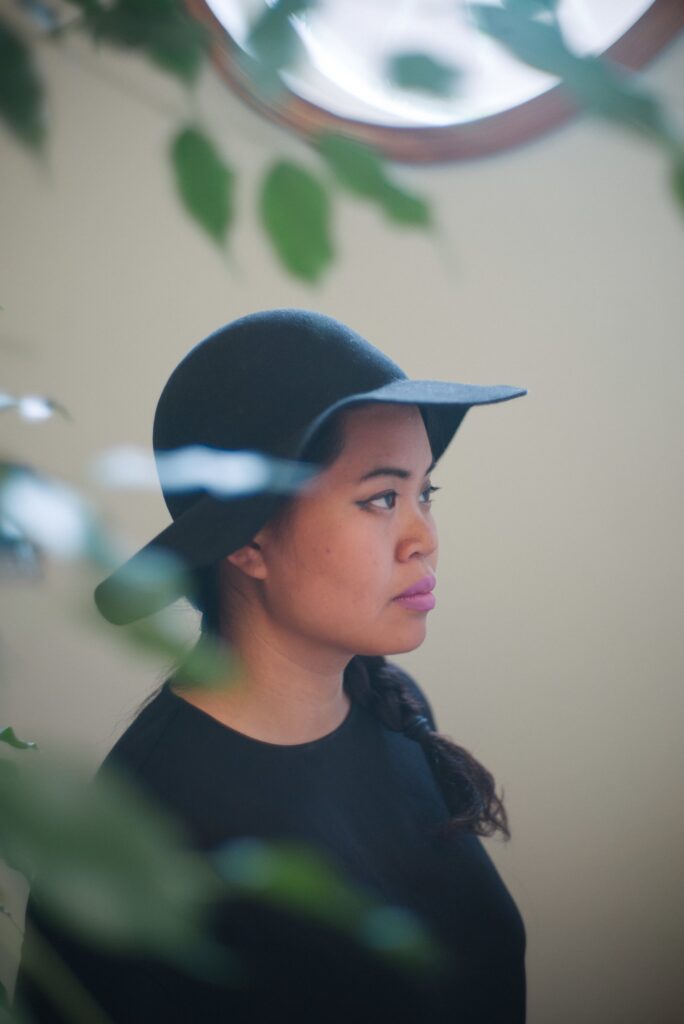
Patricia understands deeply how trauma is inherited and has committed her life’s work to cultivating spaces for healing and political empowerment. Versed in transnational feminist studies, Black feminist and women of color feminist theory, political philosophy, and the performing arts, she has used art to heal psychic wounds and navigate across political barriers.
Growing up in Chicago, Patricia listened to stories of her parent’s life before and after the war in Vietnam, where her family ultimately escaped as boat refugees to Malaysia and Indonesia and resettled in the United States in the 1980s.
After she received a BA in sociology from Pomona College, Patricia went to Vietnam on a journey of healing and reparation. I
n Vietnam, as a Fulbright Scholar, she volunteered with the Pacific Links Foundation, an international NGO, where she founded the first arts education program for survivors of sex trafficking. Navigating issues of censorship, Patricia used art as a vehicle into meaningful relationships with the women.
Patricia has over 20 years of experience working in arts education, community development, and human rights in the United States and Vietnam. She has facilitated trainings and workshops with The Fulbright Program, American Center at the U.S. Embassy in Vietnam, Jane Addams Hull House, Christina Noble Foundation, Social Workers Association in Vietnam, Vietnamese American Young Leadership Association in New Orleans (VAYLA‐NO), Asian Human Services, and 96 Acres on issues ranging from forced migration, mental health, youth empowerment, and language access.
As a performance artist, she has performed at the Nha San Collective in Vietnam, Mission Cultural Center in San Francisco, Jane Addams Hull House, Oberlin College, Northwestern University, University of Massachusetts Boston, Links Hall, Prague Quadrennial, Museum of Memory and Human Rights in Chile, Museum of Contemporary Art Chicago, Milwaukee Art Museum, and Contemporary Arts Network. She is co-founder and executive director of Axis Lab, a community centered art, food, and design studio based in Uptown, Chicago that focuses on inclusive and equitable development for the Southeast Asian community.
In recent news, she is an award-winning designer for the Mellon Foundation funded Chicago Torture Justice Memorial, part of a historic reparations ordinance. Currently, she is an assistant professor in the Department of American Studies at the University of Virginia.
Helen O’Reilly (2010 Fellow)
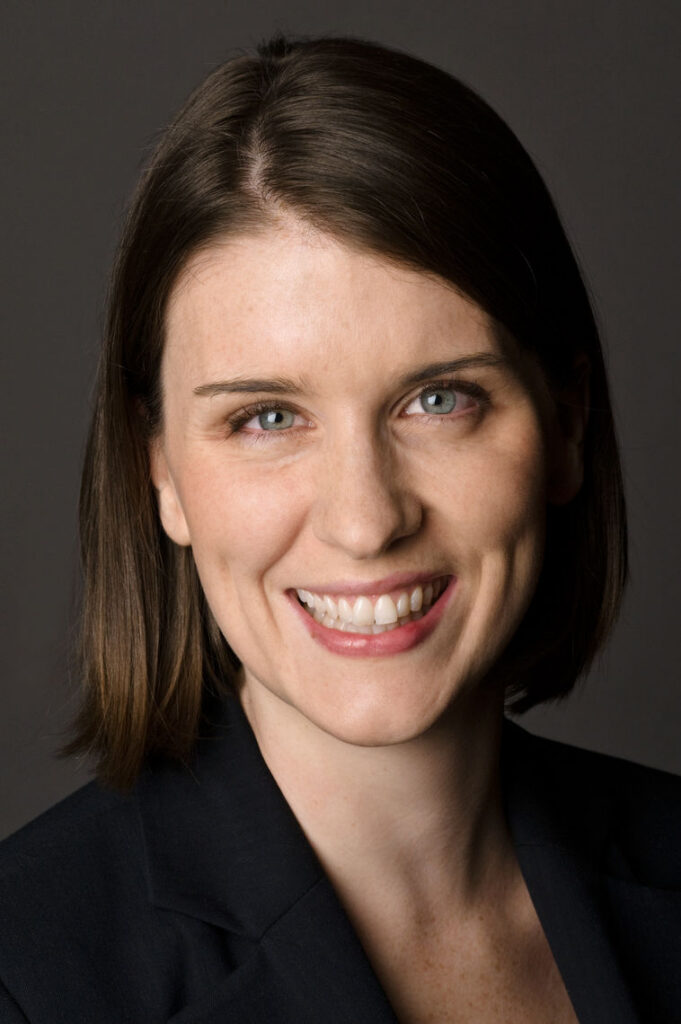
Helen O’Reilly was appointed SCO’s Chief Legal Officer in April 2024, where she represents SCO in all legal matters, provides legal guidance to the President, Executive Council, and staff, and acts in an advisory capacity on major projects. As Chief Legal Counsel, Helen leads SCO’s in-house legal services department, reviews contractual agreements, and serves as the liaison for outside legal counsel to ensure that SCO complies with all applicable laws and regulations.
Helen joins SCO with over twelve years of legal experience in both the private and nonprofit sectors. She served as the inaugural General Counsel at the Fresh Air Fund where she provided legal and business advice on a wide range of matters, and was previously a Litigation Attorney at Patterson Belknap Webb & Tyler, a global legal practice that advises corporate, foundation, and not-for-profit clients.
Helen is keenly aware of the significant impact of human services agencies, having started her professional career as Parent Advocate for vulnerable children and families in the New York City juvenile justice system.
She received her BS from Georgetown University and her JD from Yale Law School, which was supported by the Paul & Daisy Soros Fellowships for New Americans.
Uzoma “Zo” Orchingwa (2017 Fellow)
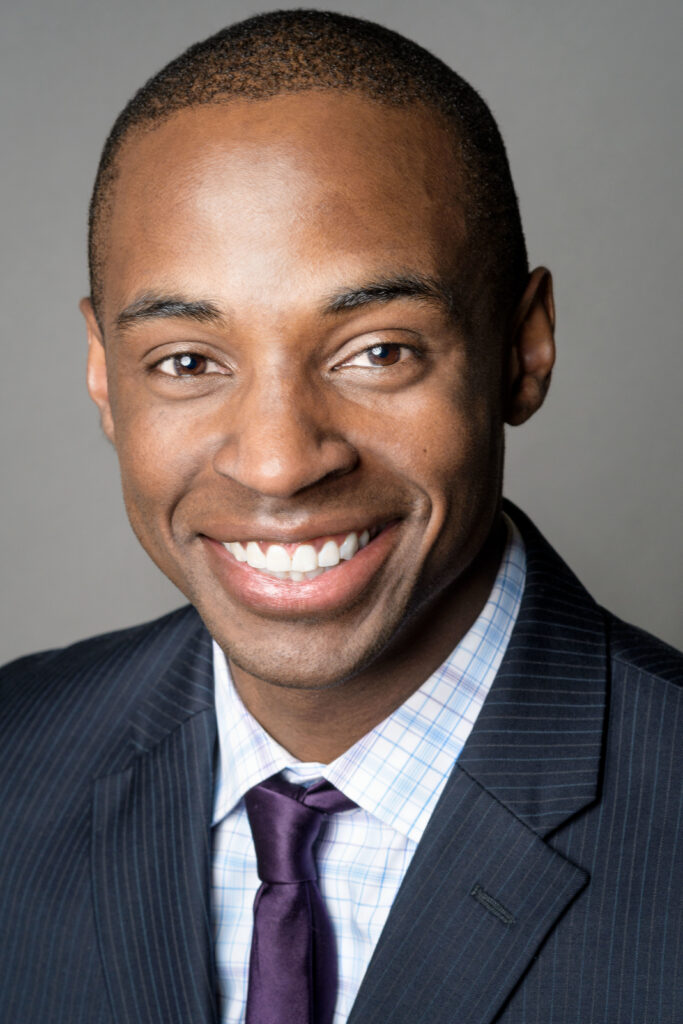
Uzoma “Zo” Orchingwa is a Nigerian-American technologist, entrepreneur, and the co-founder and CEO of Emerge Career, an AI-powered workforce development and reentry company that partners with governments to train and place justice-involved and low-income individuals into high-paying, AI-resilient careers in the skilled trades—including Commercial Truck Driving, HVAC, and Diesel Technology. Emerge Career is venture-backed by Y Combinator, Alexis Ohanian’s 776, Pioneer Ventures, SoftBank Opportunity Fund, Michael Seibel, Deborah Quazzo, and other leading investors. Emerge recently partnered with New York City to launch Next Mile NYC, an expansive workforce development program operated with the Mayor’s Office of Criminal Justice that provides justice-involved and housing-insecure New Yorkers with cost-free, technology-driven vocational training and job placement into high-paying skilled trade careers.
Prior to Emerge Career, Zo was the co-founder and CEO of Ameelio, a prize-winning nonprofit technology company that builds free technology to disrupt the predatory prison telecom industry and accelerate the creation of a more humane and rehabilitative justice system for the 113 million Americans it impacts. Ameelio now operates in 63 facilities and growing, has surpassed one million users, and is backed by leading technologists including Jack Dorsey, Vinod Khosla, Reid Hoffman, and Brian Acton, as well as foundations such as Mellon and Arnold Ventures.
With the ongoing skilled trades shortage, America’s push to reindustrialize, and the mounting impact of AI on white-collar work, Zo and Emerge Career are uniquely positioned to lead the skilled trades revolution.
He holds a JD from Yale Law School, an MBA from Yale School of Management, and an MPhil in criminology from the University of Cambridge. He is a Gates-Cambridge Scholar, Truman Scholar, and Paul & Daisy Soros Fellow for New Americans. His recognitions include MIT Technology Review’s 35 Innovators Under 35 (2022), Fast Company‘s Most Creative People in Business (2021), and selection to the inaugural class of Fortune Founders Forum. His work has been featured in The New York Times, Forbes, The Washington Post, Business Insider, TechCrunch, Fast Company, and other major outlets.
Shivani Radhakrishnan (2017 Fellow)
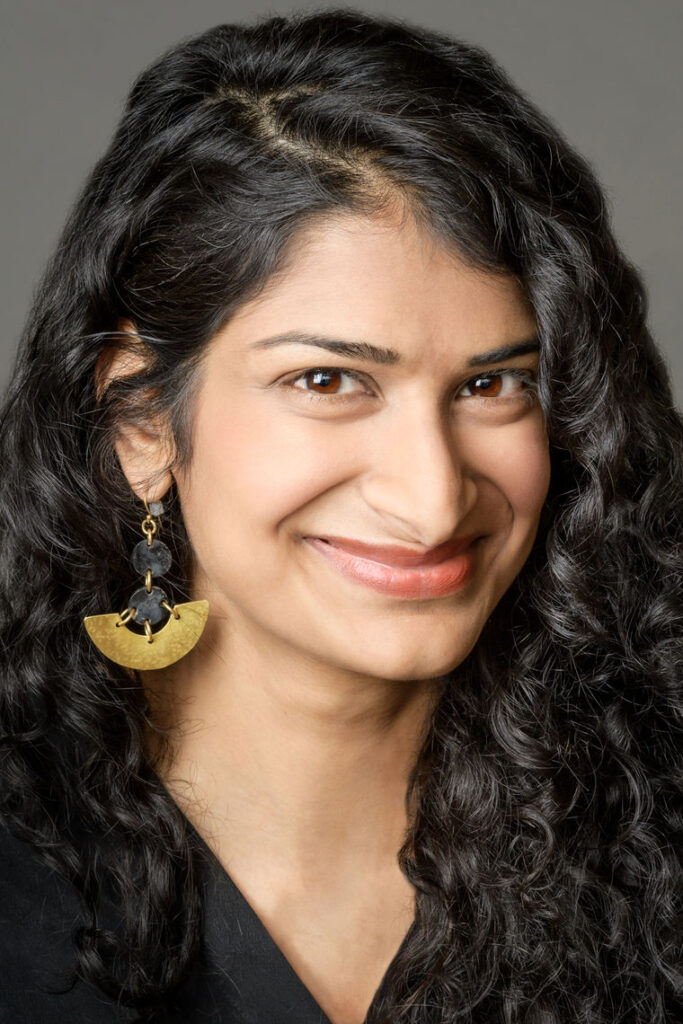
Shivani Radhakrishnan is an assistant professor in philosophy and women, feminist, and queer studies at Vassar College. She’s also a writer, with essays and criticism in n+1, The Washington Post, The Baffler, The Believer, Paris Review Daily, BOMB, The Georgia Review, Threepenny Review, frieze and many others. She’s at work on a debut essay collection about copies, doubles, and mimicry tentatively titled Original Copy. She was a former Fulbright to Vladivostok, Russia.
She was raised in New York by Indian immigrant parents, and holds a PhD in philosophy from Columbia, a BPhil in philosophy from Oxford and a BA from Princeton University.
Ankur Shah (2005 Fellow)
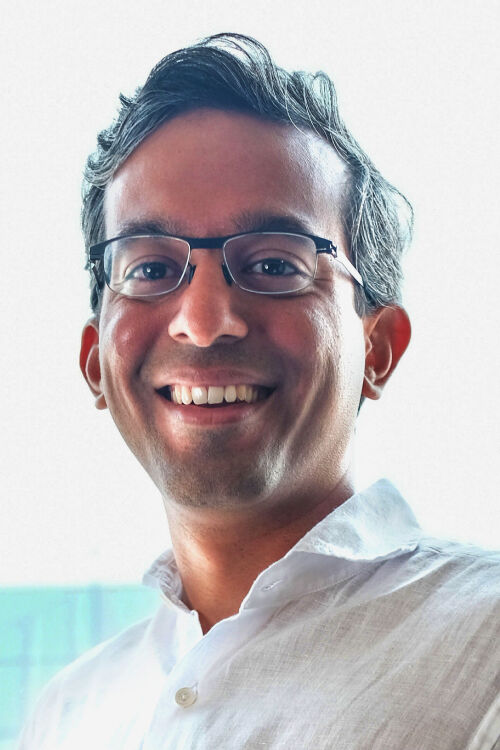
Ankur Shah is a strategic advisor and Board Director for startups, venture funds and non profits with a focus on emerging markets. Relationships include marketplaces, healthcare and software startups. Non profits include Prosperiti, an analysis & advocacy group working to liberalize labour policy in India and Lend a Hand, a non-profit catalysing life-skills training in state public schools in India.
In his recent full time roles, Ankur was Chief Finance Officer for Weee!, America’s largest ethnic e-grocer. Weee! raised over $750M and is supported by marquee investors including Softbank, DST Global and Blackstone Growth.
Previously, Ankur was seed investor and Chief Finance Officer of Careem, a ride-hailing company in the Middle East; the first unicorn in the region, and acquired by Uber in 2020 for $3.1B.
Prior to Careem, Ankur led investments in India across all sectors and in Education across all countries for Acumen Fund, an emerging markets venture fund. In addition, he had multiple operating roles in startups around the world: built 25+ libraries in New York City public schools for the Robin Hood Foundation, helped start WaterHealth India to provide safe drinking water for rural customers; and was part part of the founding team at mondus, a marketplace startup for European SMEs.
Ankur began his professional career at McKinsey & Company in New Jersey.
Ankur holds a Bachelor of Architecture from Cornell University, and a Master of Public Administration in International Development from Harvard’s Kennedy School where he was a Reynolds and a Paul & Daisy Soros Fellow. He now lives in Dubai with his wife, two children, and dog.
Stephanie Speirs (2015 Fellow)
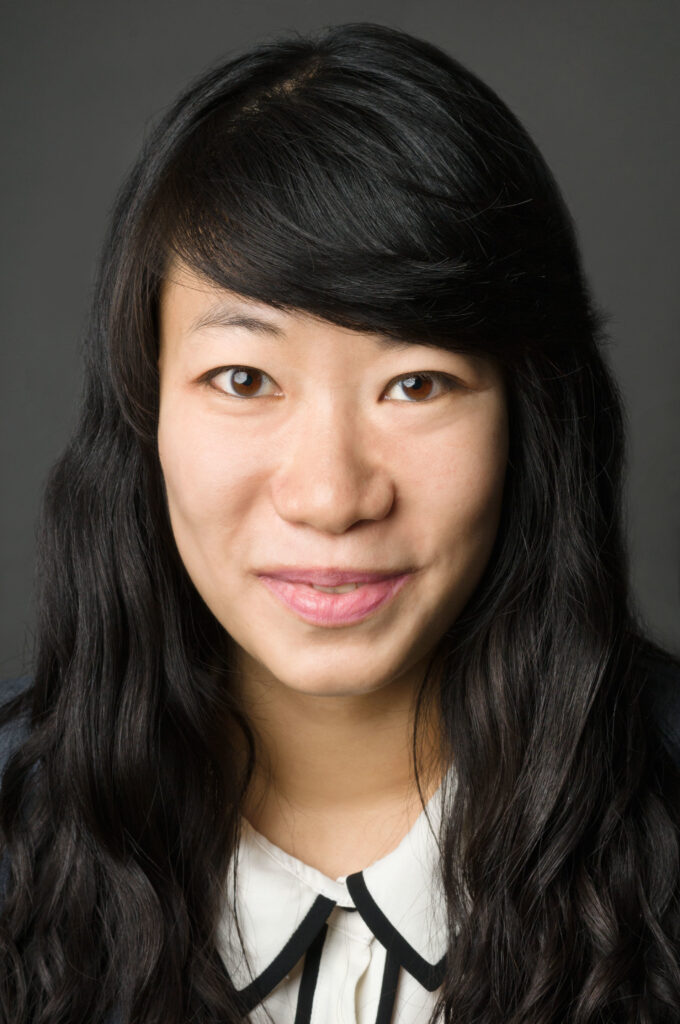
Stephanie was born in Hawaii to a father who was adopted from China and a mother who emigrated from Korea to the United States. Stephanie’s mother escaped an abusive marriage and raised her three kids alone. She instilled in Stephanie a reverence for hard work, and Stephanie threw herself into school and jobs to help pay for expenses at home.
Stephanie went on to receive a bachelor’s degree from Yale University, a master’s degree in public affairs with distinction from Princeton University, and an MBA from MIT’s Sloan School of Management with a certificate in Entrepreneurship and Innovation. Stephanie’s education and career have been guided by a belief in the power of community to drive progress.
She founded Future in Bloom, a media studio about intelligent solutions for a thriving world. Steph teaches climate entrepreneurship at Yale School of Management and is a Resident Fellow at the Center for Business and the Environment. She keynotes and advises philanthropists, investors, and companies on the future of climate tech and clean energy. She serves on the Board of Directors of the Sierra Club Foundation, Vote Solar, and on the Credit Committee of the Community Investment Guarantee Pool.
After deploying clean energy solutions in India and Pakistan, Steph most recently cofounded and was CEO of Solstice, an enterprise dedicated to radically expanding the number of American households that can take advantage of clean energy using community-shared solar farms (acquired by Mitsui). Steph previously developed Middle East policy as the youngest-ever director at the White House National Security Council and field organized in seven states for the first Obama presidential campaign.
Diana Sepehri-Harvey (2004 Fellow)
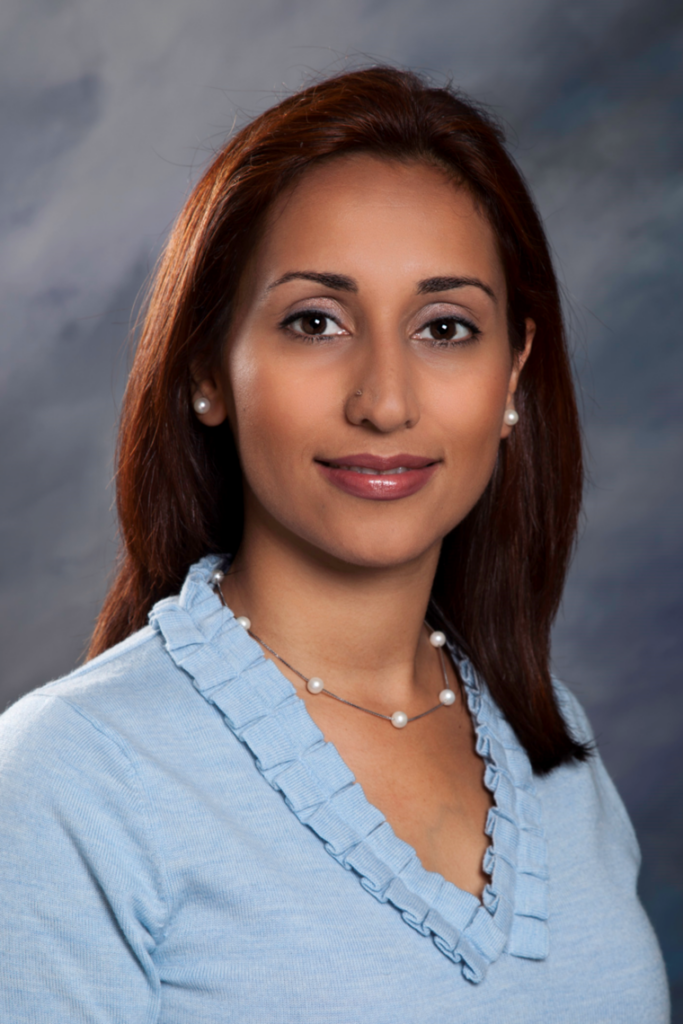
Diana was born in Tehran, Iran and immigrated to California with her family at age 15.
Diana completed her medical studies at Touro University College of Osteopathic Medicine in California and is currently a clinical faculty in Family Medicine and Preventive Medicine at Loma Linda University. She holds an MPH and an MA in medical anthropology from Case Western Reserve University. She graduated Phi Beta Kappa and magna cum laude in 2002 from Bates College with degrees in mathematics, biology, and a secondary concentration in Spanish.
Winning the Phillips and Thomas J. Watson Fellowships, Diana has traveled to South America and Asia conducting comparative field research projects on indigenous medicine and is keenly interested in understanding how a marginalized system of folk medicine could develop into an accredited and widely used alternative.
Her current interests are international travel and medical outreach, exploring cuisines and dance from around the world, and spending quality time with family and friends.
Katherine Trujillo (2015 Fellow)
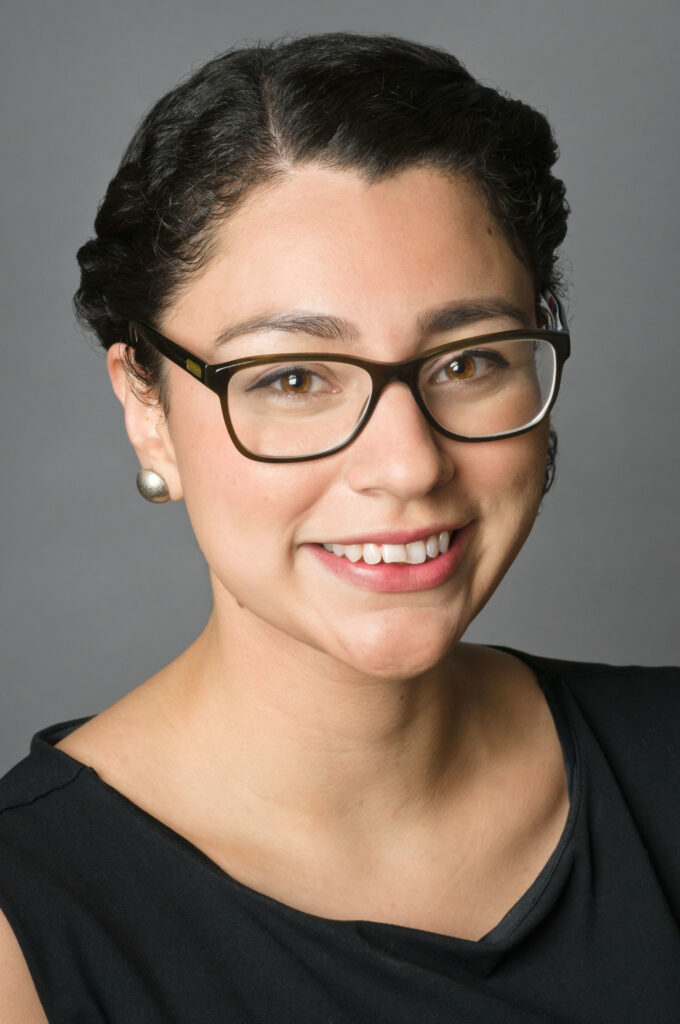
Born in South Central Los Angeles, Katherine is the daughter of immigrants from Mexico and Honduras. Katherine’s mother, a refugee from El Salvador, and her father, an economic migrant, sacrificed to no end to provide her with an education. Their tireless work ethic inspires Katherine’s commitment to advancing opportunities for others.
Growing up in a community rich in diversity yet marred by violence, Katherine learned to navigate contentious spaces with empathy and diplomacy. At UC Berkeley, Katherine grew fascinated by shared experiences of resilience across cultures.
She assisted refugees with asylum cases, mentored at-risk youth, and empowered Latinas to pursue academic excellence.
Following graduation, Katherine served as an Operation HOPE fellow, where she led financial empowerment workshops for victims of domestic violence. At the National Head Start Association, Katherine lobbied for federal funding for early childhood education for low-income families. Recently, she worked as an educational policy researcher for the Thurgood Marshall College Fund, representing the nation’s public historically black colleges and universities.
Today, Katherine is a Mitchell Scholar pursuing a master’s of law degree at Ulster University, and a master’s at the Fletcher School of Law and Diplomacy. By integrating transitional justice approaches and development strategies, Katherine hopes to one day help revitalize economically depressed pockets of South Central Los Angeles, reduce crime and improve social cohesion to ultimately encourage civic engagement and empowerment.
Antonina Vykhrest (2019 Fellow)
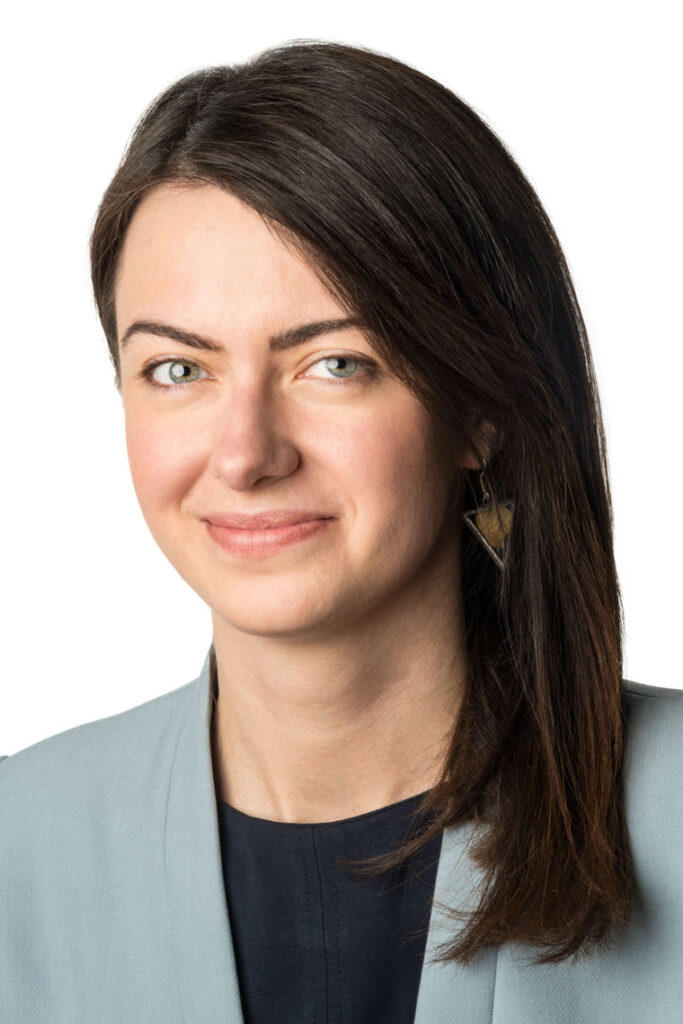
Antonina Vykhrest immigrated to the United States with her mother when she was eight. Leaving Ukraine during a period of post-Soviet chaos, she was marked by the social and political upheaval of her birth country. Growing up in Brooklyn, New York, she was exposed to both the opportunities and obstacles immigrants face in pursuit of the American dream. Inspired by this experience and her grandparents’ stories of Soviet and Nazi oppression, Antonina was drawn to understanding social change across communities and countries.
At Duke University she studied human rights movements, obtaining degrees in political science and international comparative studies. With the Center for Race Relations, she supported the undergraduate community in exploring issues of gender, race, and sexuality.
After working with the women’s rights movement in Mexico as a Service Opportunities in Leadership Scholar, she pursued a master’s in international law of human rights and criminal justice at Utrecht University in the Netherlands. In 2014, she returned to Ukraine as a Fulbright Fellow to research women’s access to justice as well as sexualized violence in the context of the armed conflict in eastern Ukraine.
After joining the Council of Europe, an inter-governmental organization, Antonina worked with mostly post-Soviet countries to develop better laws and support implementation in the areas of human rights, rule of law, and democracy. She managed multi-million Euros cooperation projects on themes ranging from internal displacement, violence against women and LGBTI equality.
She cofounded ACCESS, an NGO bridging the gap between grassroots organizations and international institutions and building the capacity of civil society in Europe. Her commentaries and opinions have appeared in AlJazeera, OpenDemocracy, and Women Under Siege. She will pursue an MBA to explore social innovation and digital transformation tools to empower civil society with resources for rapid mobilization in quickly changing environments. She hopes to deliver multi-sector solutions to increasingly complex social challenges.
Vijay Yanamadala (2008 Fellow)

Vijay Yanamadala is a neurosurgeon and healthcare executive at Hartford HealthCare, where he serves as Vice Chairman of Neurosurgery and System Medical Director of Quality, Innovation & Research at the Ayer Neuroscience Institute. He specializes in complex and revision spine surgery and pioneered awake spinal fusion in Connecticut.
Beyond the operating room, Vijay works at the intersection of clinical medicine, health systems leadership, and emerging technology. He writes and speaks widely on how artificial intelligence, incentive structures, and institutional culture shape the care patients receive — and the care they don’t. His work spans the design of safer, more equitable healthcare systems; the responsible adoption of AI in clinical settings; and the obligation of physicians to engage public discourse rather than retreat into the clinic.
He believes that the most consequential failures in American healthcare are not technical but structural — and that fixing them requires voices from inside medicine willing to name them plainly. He is a regular contributor to Becker’s Spine Review and has published more than 95 peer-reviewed articles and co-authored two medical textbooks.
Born in Dallas, Texas to parents who emigrated from India, Vijay received his BA and MA from Harvard University, his MD from Harvard Medical School through the Harvard-MIT Health Sciences and Technology program, and his MBA from Harvard Business School. He completed his neurosurgery residency at Massachusetts General Hospital and a complex spine fellowship at Virginia Mason Medical Center. He is a Fellow of the American Association of Neurological Surgeons and the Congress of Neurological Surgeons.
Vijay lives in Connecticut with his wife, Dr. Vidya Puthenpura, a pediatric neuro-oncologist at Yale, and their two children.
Featured Fellows
-
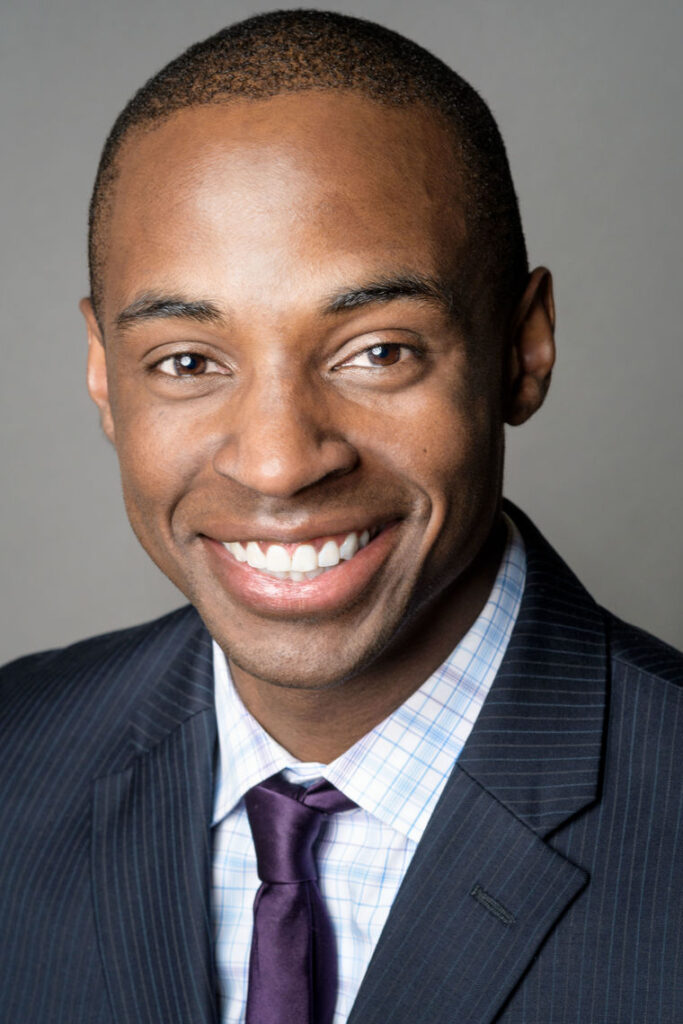
Uzoma Orchingwa
Co-Founder and CEO, Emerge Career
Uzoma Orchingwa is the child of immigrants from Nigeria. Fellowship awarded in 2017 to support work towards a JD in Law and Policy at Yale University
-
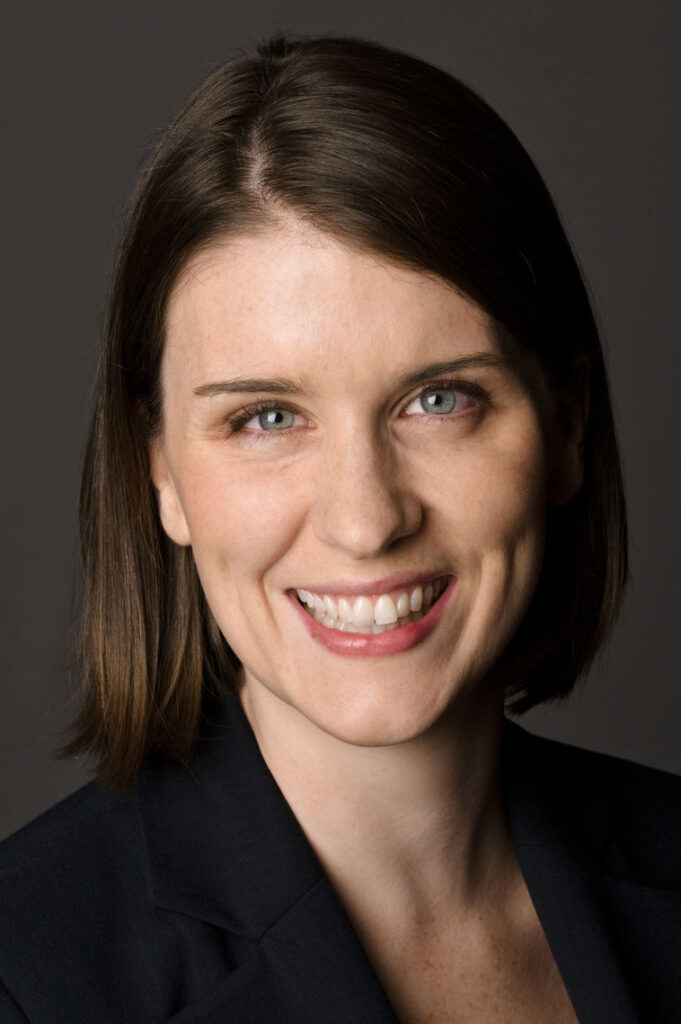
Helen O’Reilly
Chief Legal Counsel, SCO Family of Services
Helen O’Reilly is the child of immigrants from Ireland. Fellowship awarded in 2010 to support work towards a JD in Law at Yale University
Keep Exploring
-
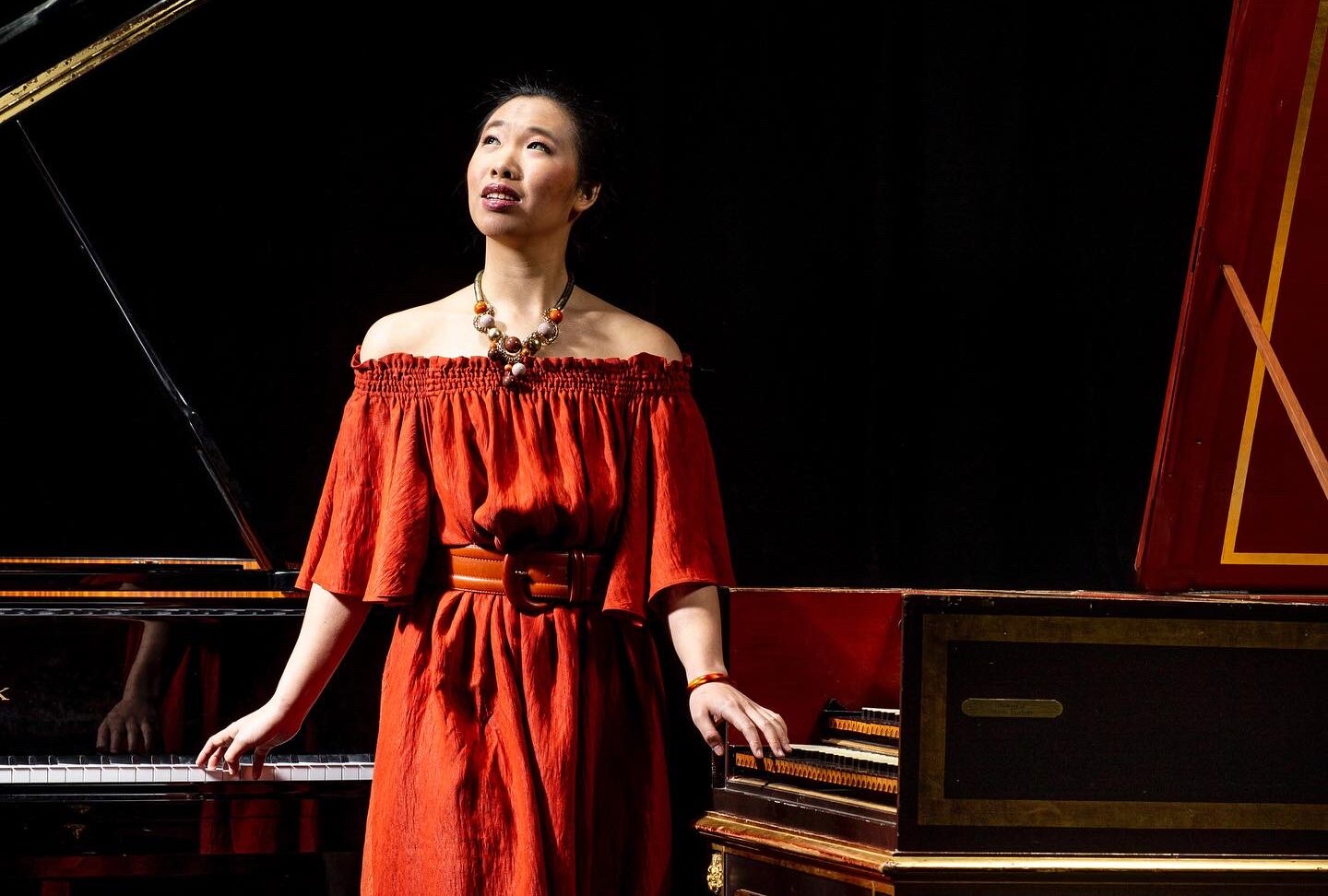 Read more: PD Soros Fellow Hilda Huang: A Voice Across Centuries
- Fellow Highlights
PD Soros Fellow Hilda Huang: A Voice Across Centuries
-
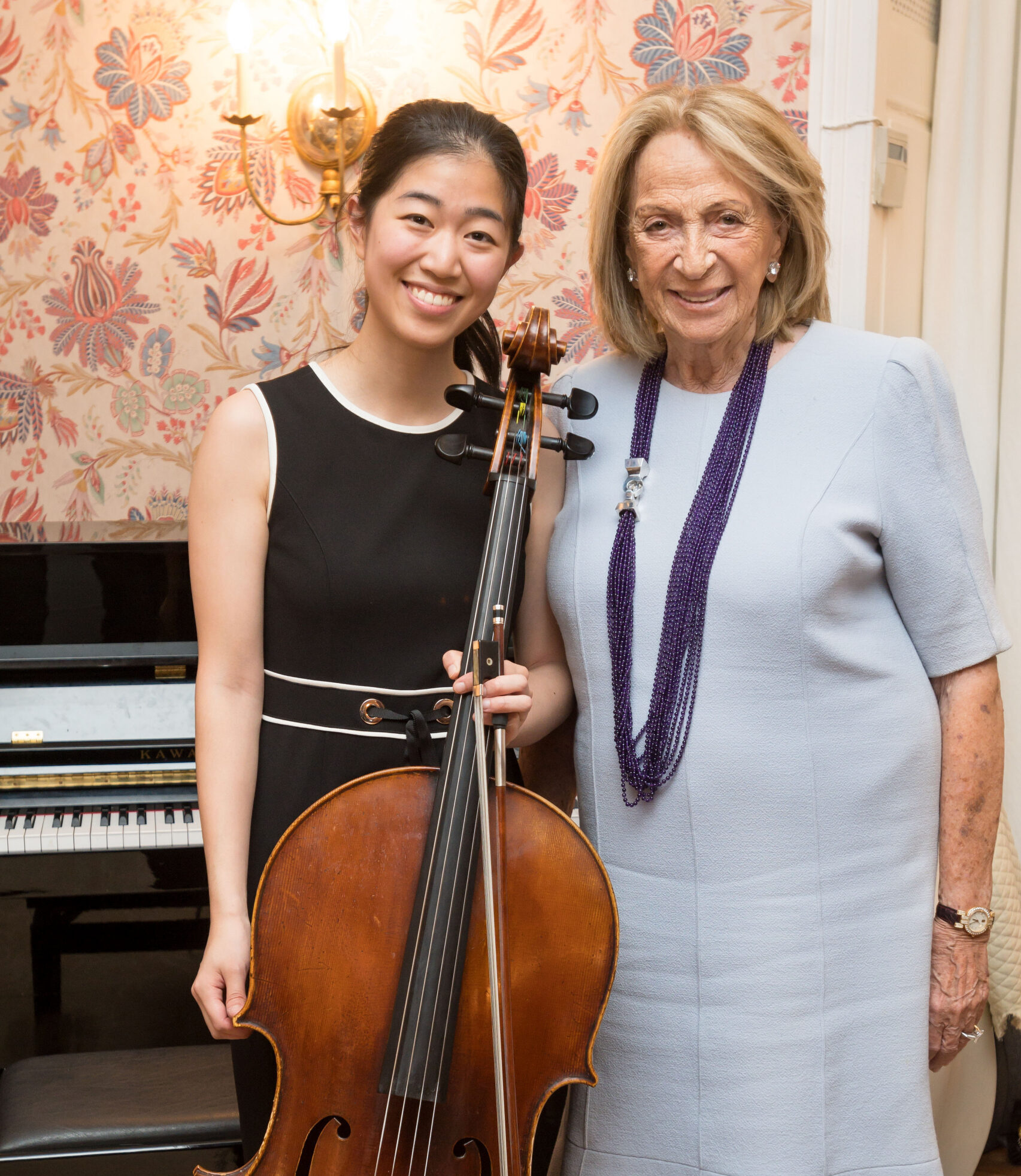 Read more: Musicians: Applying for the PD Soros Fellowship
- Applicant Information
- Fellow Highlights
- Music
Musicians: Applying for the PD Soros Fellowship
-
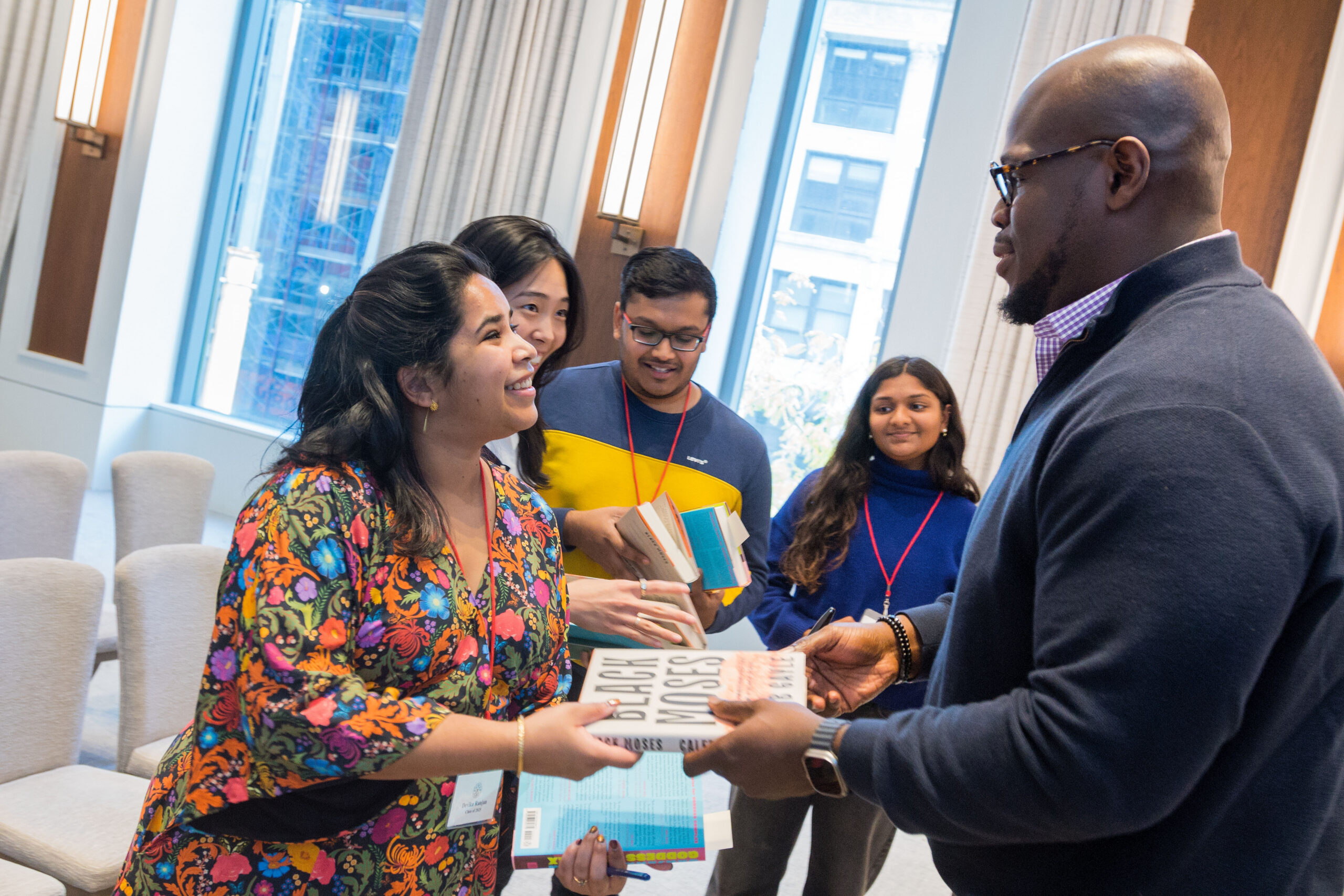 Read more: Writers: Applying for the PD Soros Fellowship
- Applicant Information
Writers: Applying for the PD Soros Fellowship
-
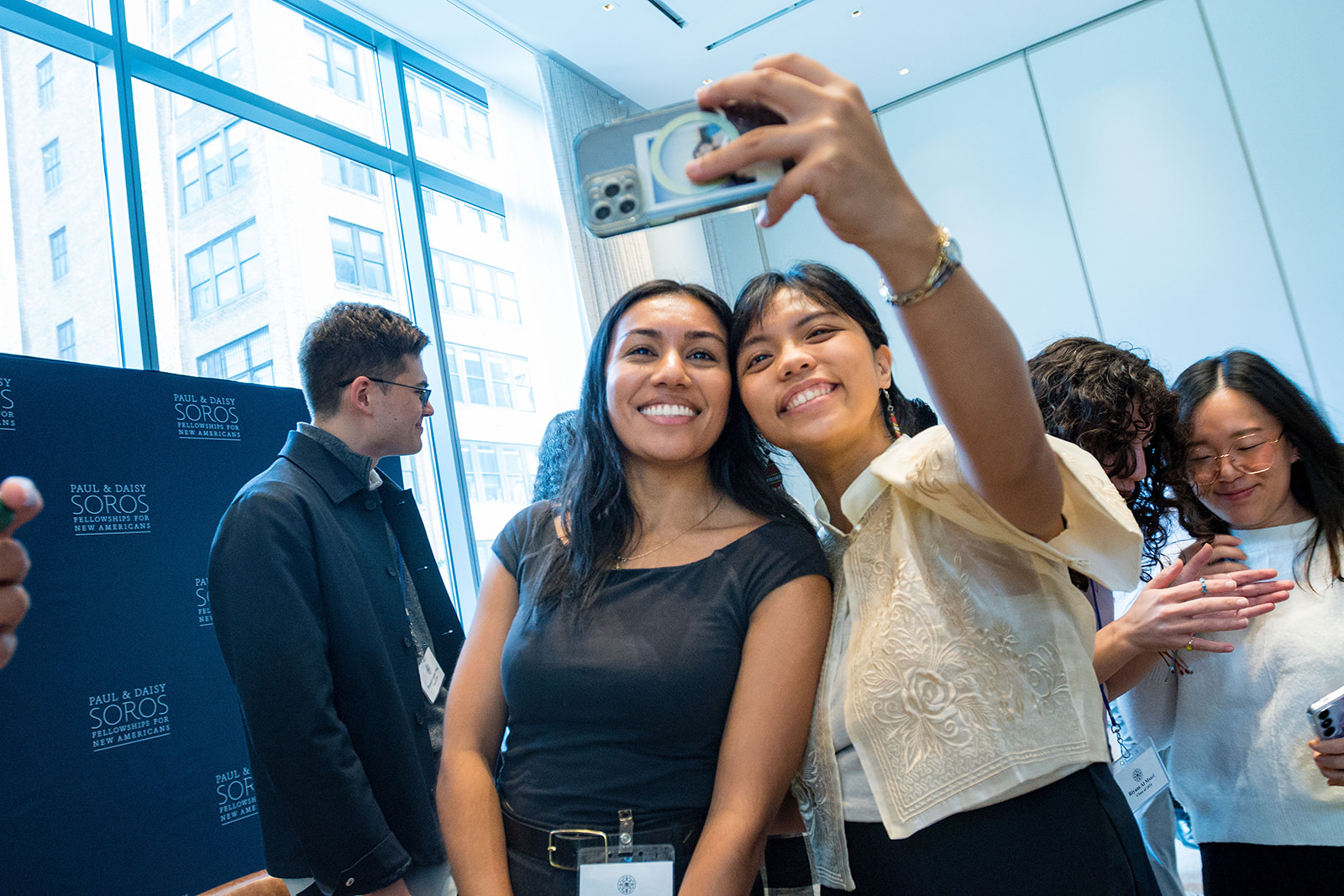 Read more: Q&A: JD Student Ananya Agustin Malhotra Looks Back At The Fellowship
- Fellow Highlights
Q&A: JD Student Ananya Agustin Malhotra Looks Back At The Fellowship