- Fellow Highlights
Not On My Resume: Omar Abudayyeh
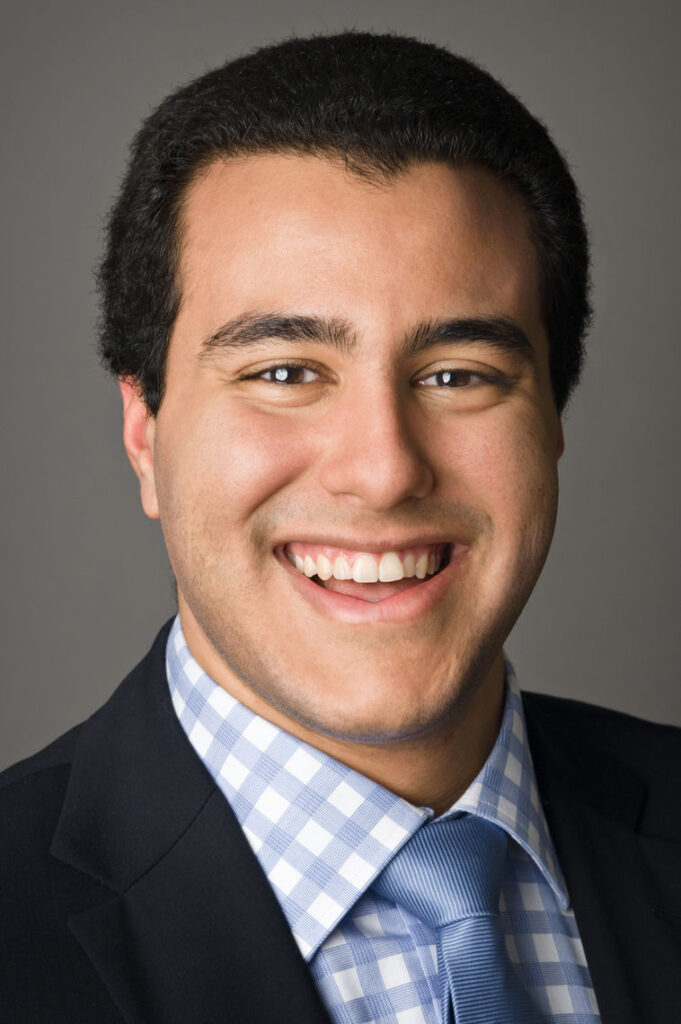
Omar Abudayyeh is an assistant professor at Harvard Medical School, an investigator at Brigham and Women’s Hospital and Mass General Brigham’s Gene and Cell Therapy Institute, and a faculty member with the Department of Stem Cell and Regenerative Biology at Harvard University. He directs the Abudayyeh-Gootenberg lab, which is developing next-generation gene editing, gene delivery, and synthetic biology technologies using protein engineering and artificial intelligence and applies them towards new therapeutics and the study of aging. He is also the co-founder of Tome and Sherlock Biosciences. A 2013 Paul & Daisy Soros Fellow, Omar was born in North Carolina and is the child of Palestinian and Jordanian immigrants.
Why did you (or your family) come to America? My parents immigrated here in 1985 in pursuit of their graduate education (master’s and PhD degrees in engineering). My mom did electrical engineering and my dad did civil engineering and then they stayed in the US to become professors and eventually got citizenship.
Which living New American do you most admire? Elon Musk. I admire his ability to work on long-term high impact problems that take decades to achieve and are in difficult deep tech fields.
What is your current state of mind? I’m feeling inspired and excited about the pace of technological progress. There have been a lot of advancements in tech and biology in the past decade and there is definitely a sense of acceleration. In my own work, I’ve been most focused on applying new tools in biology towards the study of aging with the hope of finding new anti-aging interventions. I’m excited to see how this can impact society positively!
When was the last time you felt imposter syndrome? I get it all the time. Everyone is doing cool stuff and trying to impact the world, but it’s very important to stay focused on what you’re doing and how one can use your own skills and insights to make the world better without getting too distracted by others.
What is your greatest fear? Airplane turbulence. In all seriousness, I think one thing that gives me a lot of anxiety is the pace of change in society technologically. The fear of the unknown and what could happen with advancements in both AI and biotech make the future uncertain. I hope to at least try and make sure the future is as positive as possible!
If you could change careers and do anything, what would it be? I would probably go into AI, especially with regards to robotics, or technology for climate change. Humanoid robotics is very interesting and poised to impact almost every industry.
What is your idea of a good life? Having purpose and a career that allows me to make an impact through creativity/innovation. But also that affords enough time for family, friends, and extracurricular interests.
What is the one habit that you can’t live without? Coffee in the morning haha. In terms of fun, I really enjoy watching good sci-fi. Really enjoyed Foundation and 3 Body Problem recently.
What one piece of advice do you live by? Bring solutions, not problems. I also like the quote, “It doesn’t matter how many times you fail, you only have to succeed or be right once.”
Who or what makes your heart beat faster when you think about them? New data and progress makes me really excited. There’s nothing like solving a difficult problem and seeing a new path forward.
This interview was originally published in the March, 2024 issue of The Paul & Daisy Soros Fellowships’ monthly Distance Traveled newsletter. Sign up to receive the latest issue here. ∎
Keep Exploring
-
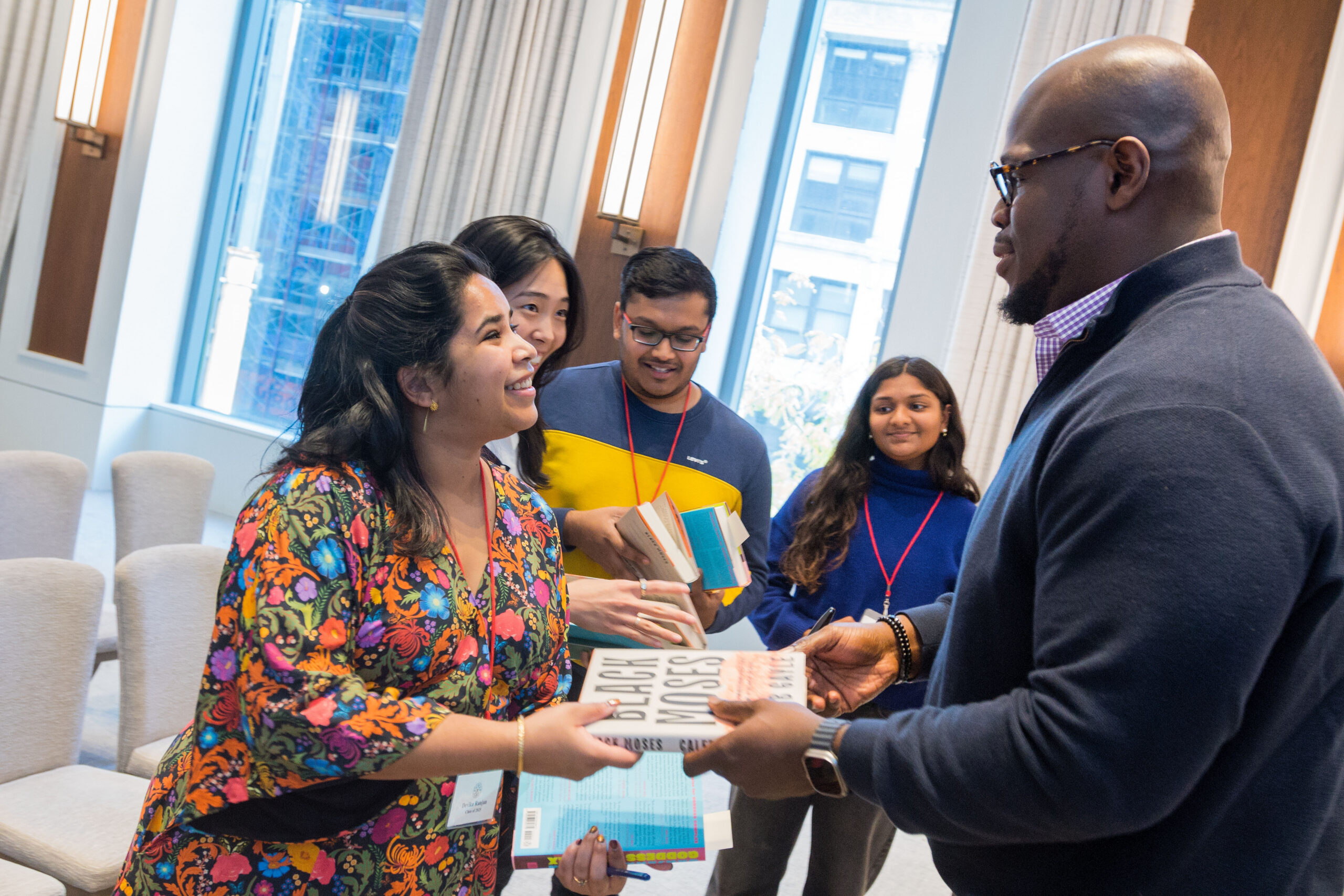 Read more: Writers: Applying for the PD Soros Fellowship
- Applicant Information
Writers: Applying for the PD Soros Fellowship
-
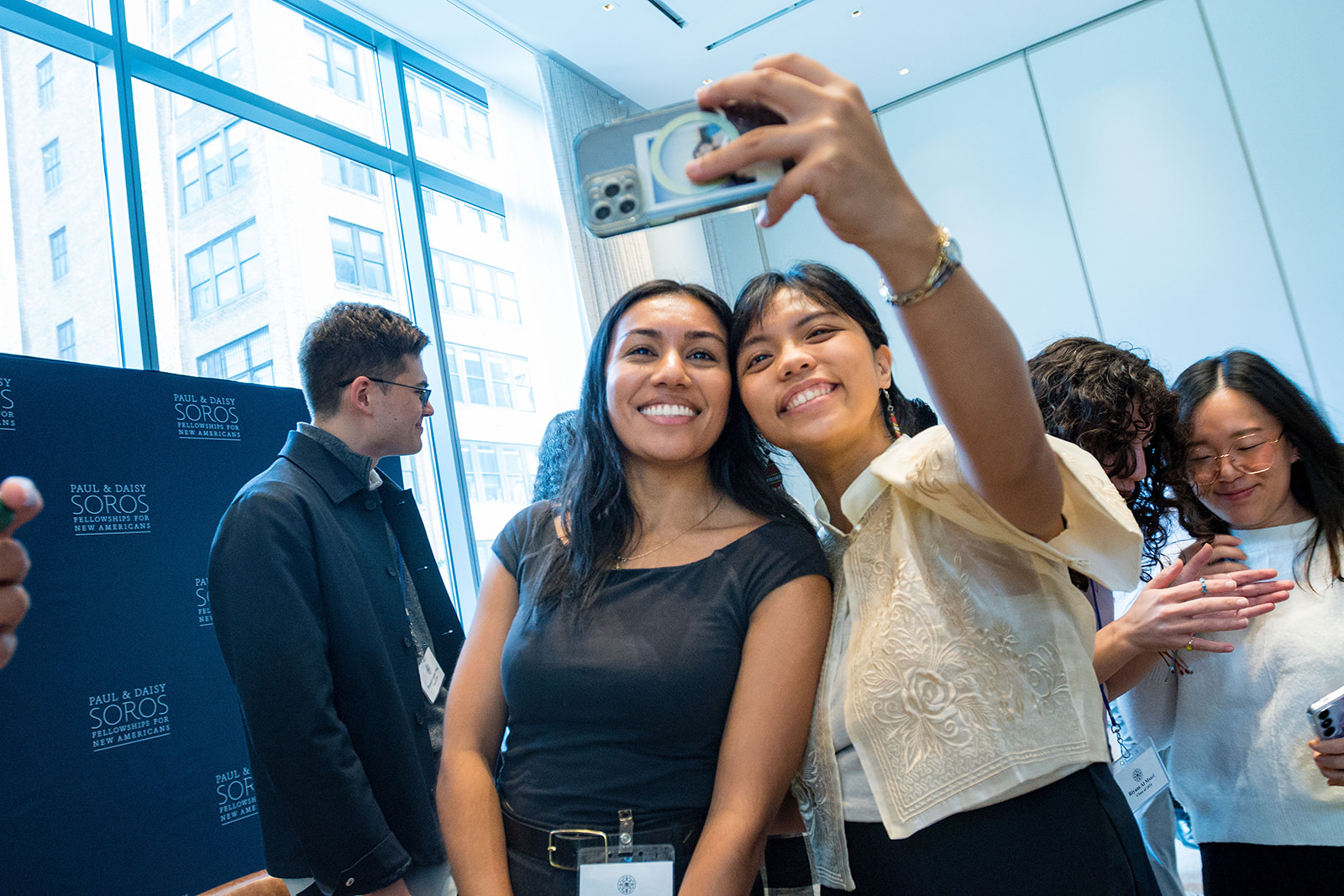 Read more: Q&A: JD Student Ananya Agustin Malhotra Looks Back At The Fellowship
- Fellow Highlights
Q&A: JD Student Ananya Agustin Malhotra Looks Back At The Fellowship
-
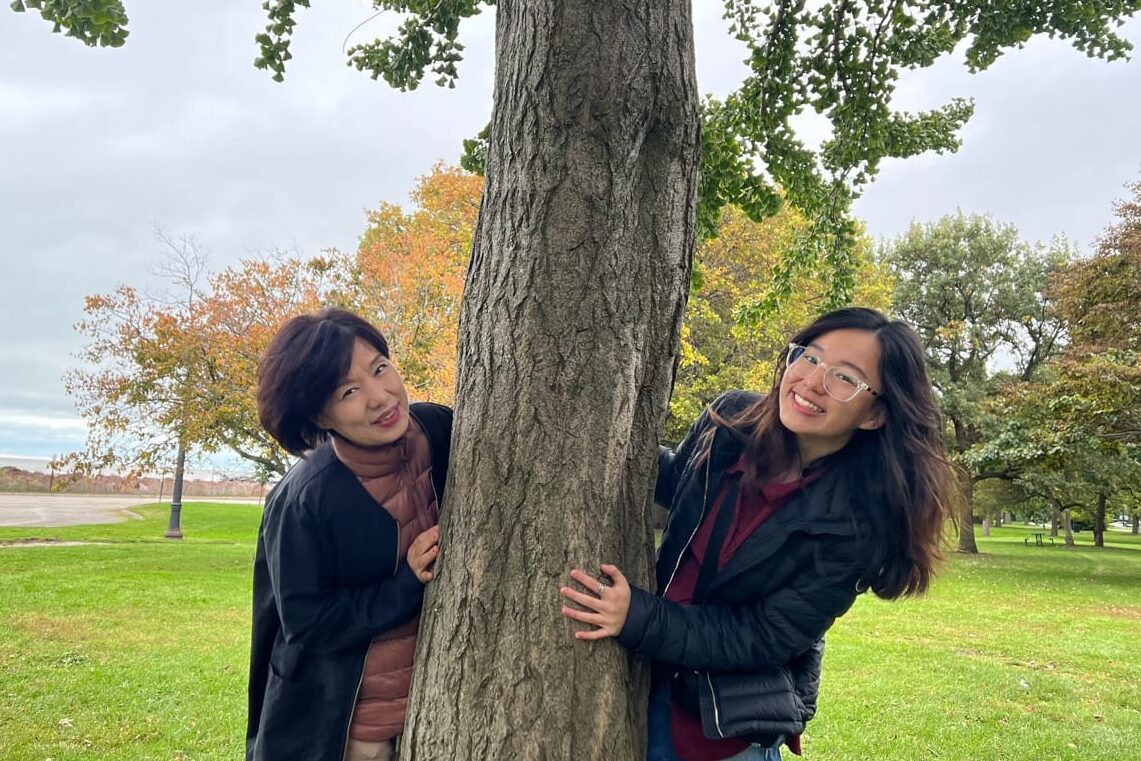 Read more: Q&A With Chemistry PhD Student Minjung Kim
- Fellow Highlights
Q&A With Chemistry PhD Student Minjung Kim
-
 Read more: Q&A: MIT Computational Biology PhD Student Zijian (William) Niu Looks Back At The Fellowship
- Fellow Highlights
Q&A: MIT Computational Biology PhD Student Zijian (William) Niu Looks Back At The Fellowship