- Fellow Highlights
From New Americans to the Operating Room
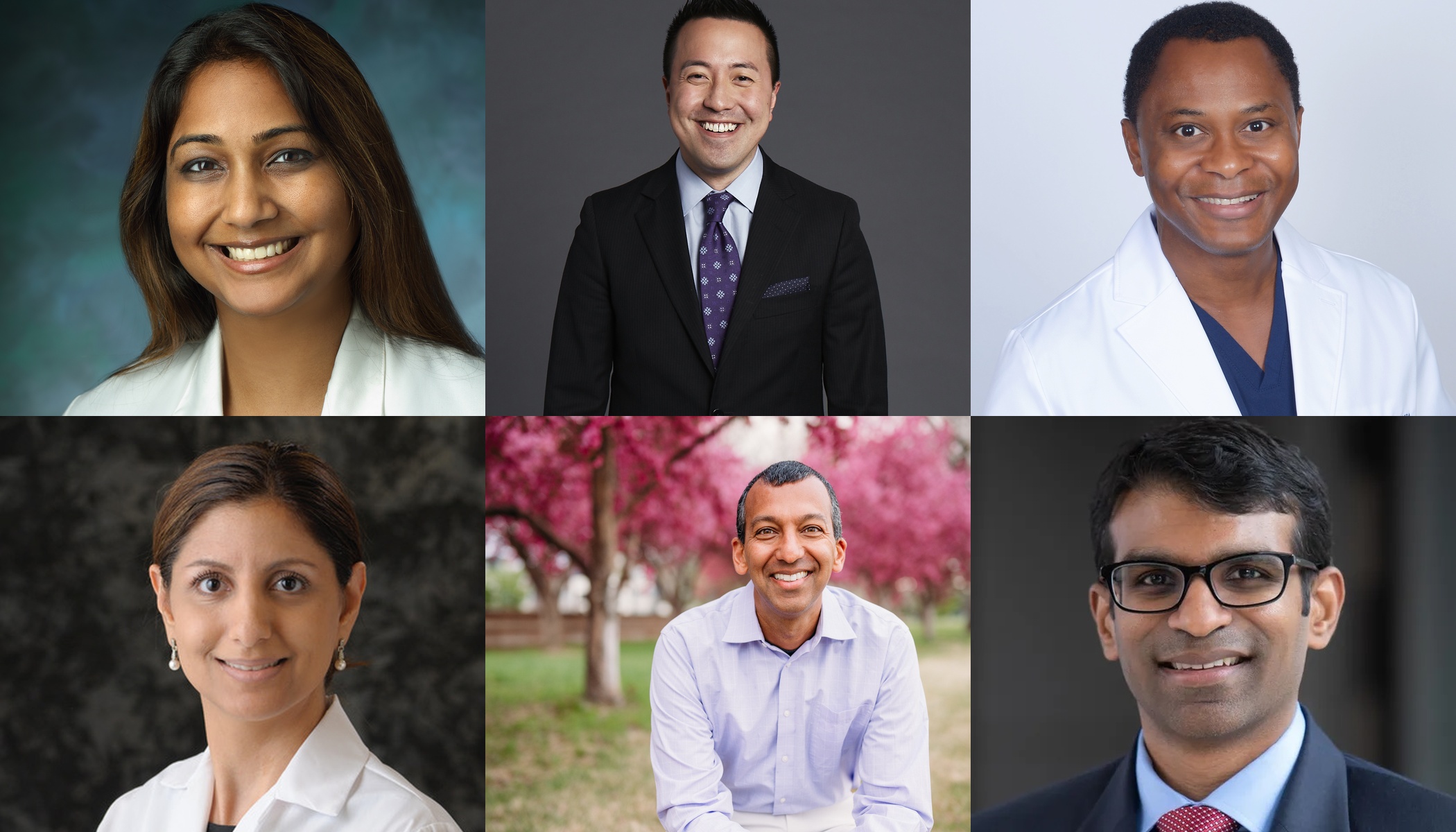
Every day, tens of thousands of surgeons scrub into procedures across the United States. A great deal of those doctors were born abroad; immigrants make up more than a quarter of physicians and surgeons working in the United States, despite making up only about 15 percent of the US population.
The Paul & Daisy Soros Fellowship, which supports immigrants and children of immigrants, has supported more than three hundred Fellows in medical school who have gone on to become doctors. Dozens of them have continued on to practice as surgeons, in specialties from neurology to podiatry. Many see their experiences as New Americans as a boon to their work, from the exam room to the operating table.
“Having spent the early parts of my life in a different country, gave me that knowledge that is so fundamental in what medicine is about: To treat people equally, regardless of how they’re raised and where they come from,” says Robert Koffie (2008 Fellow), a neuroscientist practicing in Arizona.
We asked six Paul & Daisy Soros Fellows about their path to the operating room, and how their experience as New Americans shaped their journey:
Deepa Galaiya
2011 Fellow
Medical Director of Otolaryngology at Sibley Memorial Hospital, Assistant Professor of Otolaryngology at Johns Hopkins Medicine
Deepa works in a field of surgery that may sound unfamiliar to most: neurotology, a specialty focused on the base of the skull. Originally, she didn’t anticipate a career as a surgeon. “My jaw dropped the first time I saw the inside of an abdomen as a first-year medical student, and then all my goals shifted,” she says. Today, Deepa practices at Johns Hopkins, and particularly enjoys performing cochlear implant surgeries.
As a New American—Deepa’s parents immigrated from Gujarat, India—she says she appreciates the ability to connect with those whose lived experience parallels her own. “Although I feel very American, I am aware I am not always perceived that way, and that can be discouraging,” she says. “I am grateful to have a community of people who, despite representing many different fields and very different backgrounds, have grappled with the same complex feelings.”

Sumeet Garg
2000 Fellow
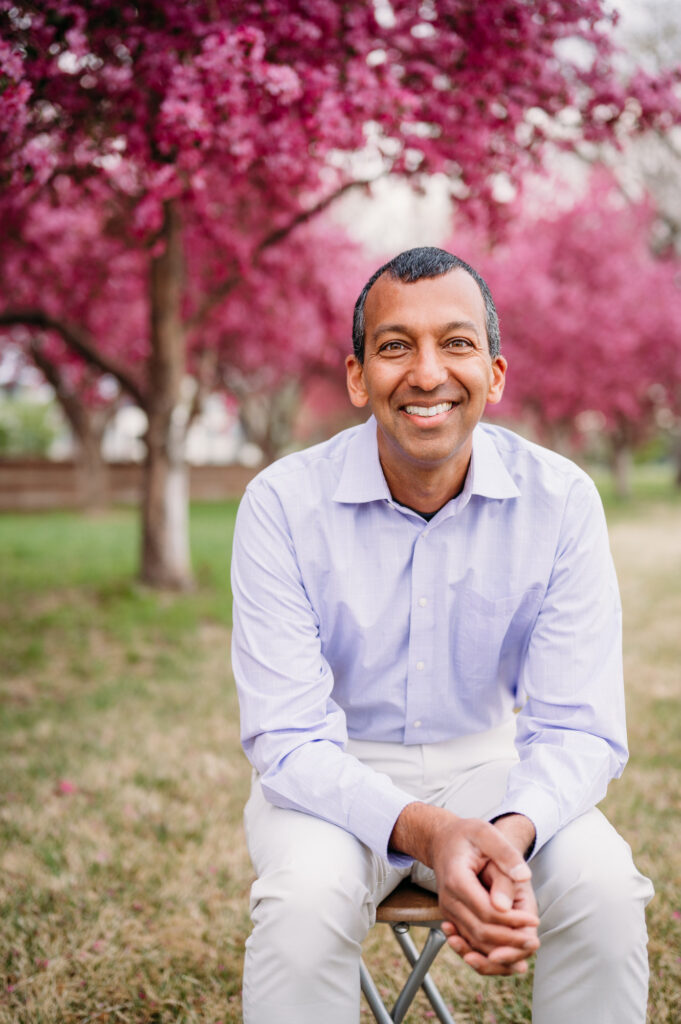
Pediatric Orthopaedic Spine Surgeon at Children’s Hospital Colorado and the University of Colorado
“I feel that being a New American helps me better work with the wide variety of patients and families I see. Both in terms of their heritage, but also their varied medical complexity. I take care of a lot of very medically complex children with significant underlying genetic or neurologic disorders,” says Sumeet, who grew up in Rochester, New York after his parents immigrated from India. “While their families may not be New Americans, they often face similar challenges to New Americans,” coming from a wide variety of backgrounds and experiences.
Sumeet has enjoyed working with kids since he was a teenage camp counselor. That interest stuck with him through running an after-school program in college. As he contemplated a surgery career, he says, “it felt very clear that my role in medicine was to continue that.” As a practicing pediatric orthopedic spine surgeon he specializes in young patients who suffer from scoliosis.
Sanaz Hariri
2000 Fellow
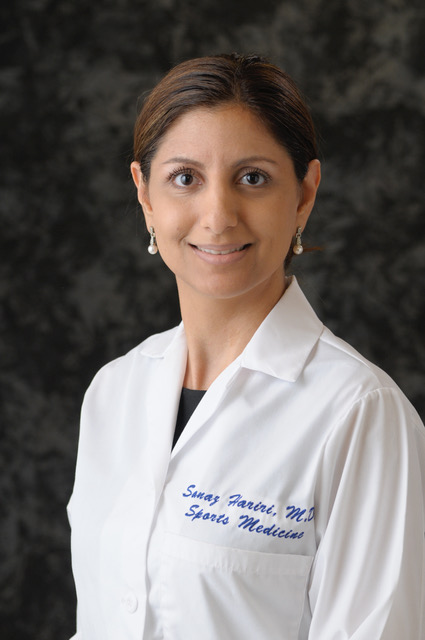
Orthopaedic Surgeon, Sanaz Hariri MD
Growing up, Sanaz’s dream lay not in the operating room, but on the football field. When her family moved from Tehran to the Bay Area of California in 1979, she quickly became a 49ers fan. “I was thrilled by the epic work ethic of players such as Jerry Rice, Roger Craig, and Steve Young,” she explains. “I knew I had that same work ethic and felt that would propel me to being a 49er.” Unfortunately, at some point it became “painfully clear” that her talents didn’t align with the sport, so Sanaz redirected her attention to the team doctor on the sidelines, who would later become a mentor.
Today, she specializes in knee and shoulder pain as an orthopaedic surgeon in Silicon Valley. She works with adults, providing surgery for injuries such as meniscus and rotator cuff repairs and alleviating pain through non-operative methods like injections. “Over time, my interest evolved,” Sanaz says. “I loved orthopedic surgery as a specialty because I like to fix things.”
Robert Koffie
2008 Fellow
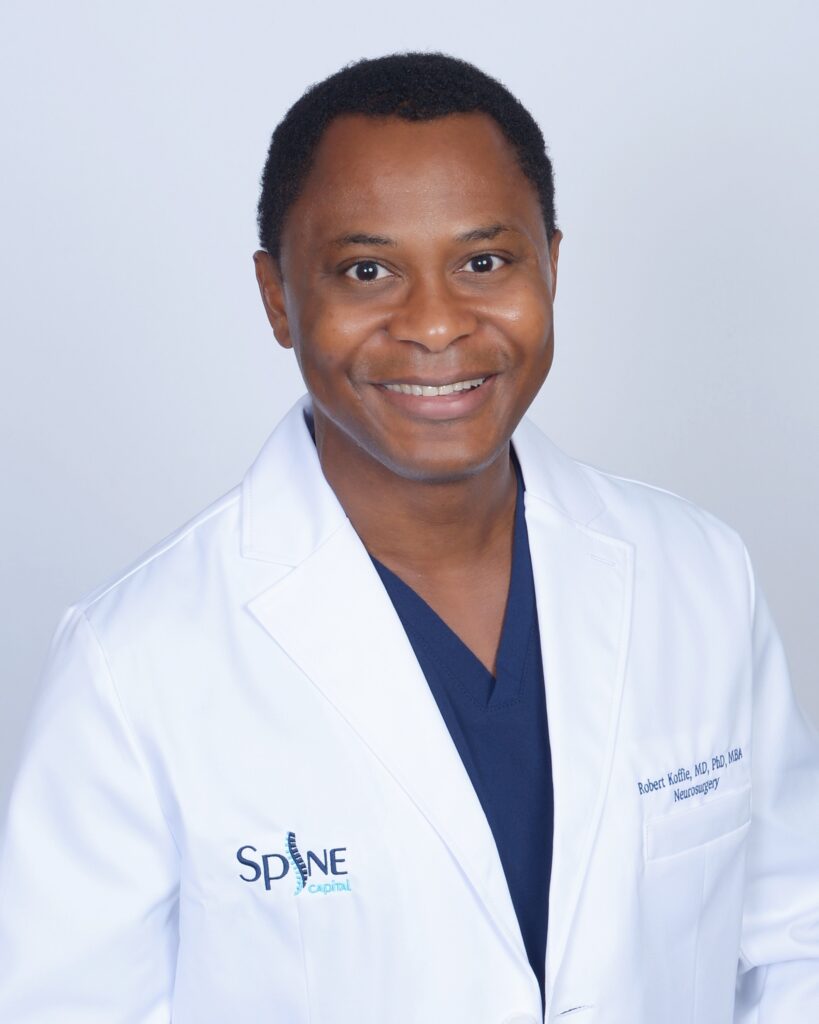
Neurosurgeon, Spine Capital
When Robert was barely a teenager, he endured one of the most challenging experiences a person can go through: witnessing the injury of a parent. After a car accident, his mother needed life-saving surgery and had to spend months recovering in the hospital. He was young, but the event left a lasting impression. “That experience filled me with both the curiosity of what it takes to be a physician and caring for patients,” he explained, “but also a responsibility to pay it forward.” The journey to his current role as a neurosurgeon took Robert from his native Ghana to Gilbert, Arizona. He moved to the US when he was 18 and became a naturalized citizen.
During his neurosurgery residency, Robert found his calling. The field uniquely blended his fascination with the nervous system and the ability to deliver immediate, life-changing results for patients with cranial and spinal conditions. After practicing in Wisconsin, he went on to found Spine Capital, a private neurosurgery practice in Arizona. What began as a single practice has since expanded to Wisconsin, with growth to other states in the pipeline. Robert hopes to expand access to top-tier spine care throughout the country, fighting against the tendency for specialized and highly-skilled doctors to concentrate in large cities and population centers.
Paul Kwak
2006 Fellow
Clinical Associate Professor, Department of Otolaryngology Surgery at NYU Grossman School of Medicine and NYU Langone Health
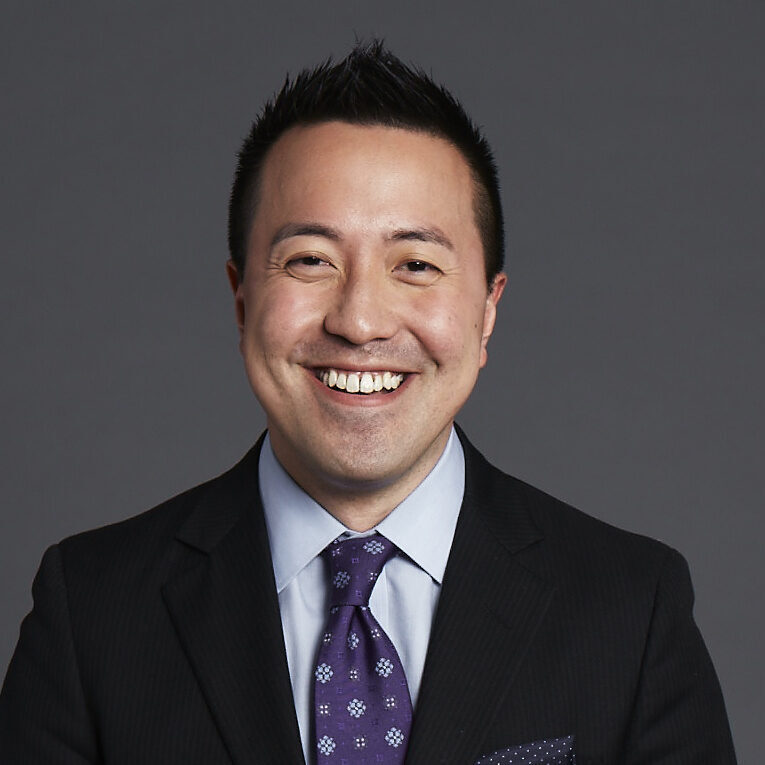
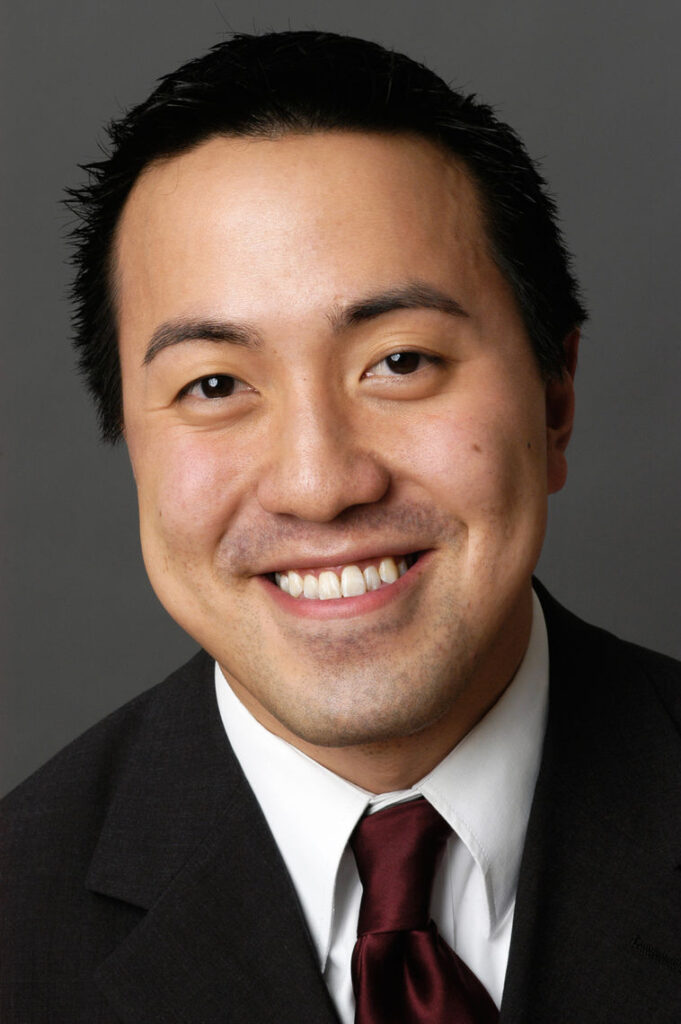
Paul’s journey to surgery began with his training as a pianist—honed during graduate school at Juilliard—where he learned to love the singing voices of the vocalists who accompanied him. As a laryngologist and laryngeal surgeon at NYU Langone Health and the NYU Grossman School of Medicine, he now works with singers to ensure they are able to perform at the top of their skill level and maintain their unique instrument throughout their careers.
“I love working with my hands—and the very idea that we put patients to sleep, try to improve some part of their anatomy, and wake them up—is constantly amazing to me,” he says. Paul, who was born in Ohio to Korean immigrants, explained that his participation in the Paul & Daisy Soros Fellowships for New Americans also provided inspiration. “I have always cherished our community of Fellows—increasingly, though, the Fellowship reminds me that we would be nothing without immigrants.”
Vijay Yanamadala
2008 Fellow
Vice Chairman of Neurosurgery, System Medical Director of Quality, Innovation, and Research at the Ayer Neuroscience Institute at Hartford HealthCare
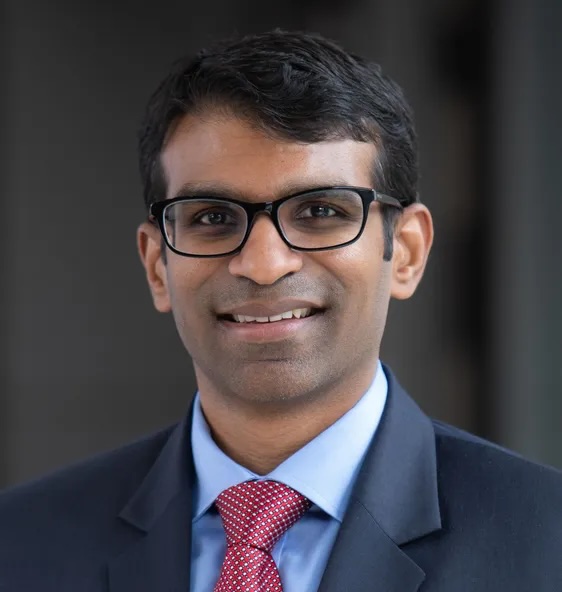
Born and raised in Texas, Vijay comes from a family of doctors in South India. “I grew up steeped in a culture that held education, service, and medicine in the highest regard,” he says.
After training in neurosurgery at Harvard Medical School, he now treats patients with spine disorders and focuses on complex spinal surgery at Hartford HealthCare. Interestingly, for a surgeon, he’s surprisingly focused on helping patients avoid it. “My guiding philosophy is that the best back surgery is often no surgery at all,” he says. “The patients I find most rewarding are those who come in resigned to surgery and leave with a path forward that doesn’t require it. Restoring function and returning someone to their life is the greatest privilege of this work.”
Featured Fellows
-
Paul Kwak
Laryngologist and Laryngeal Surgeon, NYU Voice Center
Paul Kwak is the child of immigrants from South Korea. Fellowship awarded in 2006 to support work towards an MD in Medicine at Case Western Reserve University
-

Robert Koffie
Chairman and CEO, Spine Capital
Robert Koffie is an immigrant from Ghana. Fellowship awarded in 2008 to support work towards an MD in Medicine at Harvard University
Keep Exploring
-
 Read more: PD Soros Fellow Hilda Huang: A Voice Across Centuries
- Fellow Highlights
PD Soros Fellow Hilda Huang: A Voice Across Centuries
-
 Read more: Musicians: Applying for the PD Soros Fellowship
- Applicant Information
- Fellow Highlights
- Music
Musicians: Applying for the PD Soros Fellowship
-
 Read more: Writers: Applying for the PD Soros Fellowship
- Applicant Information
Writers: Applying for the PD Soros Fellowship
-
 Read more: Q&A: JD Student Ananya Agustin Malhotra Looks Back At The Fellowship
- Fellow Highlights
Q&A: JD Student Ananya Agustin Malhotra Looks Back At The Fellowship