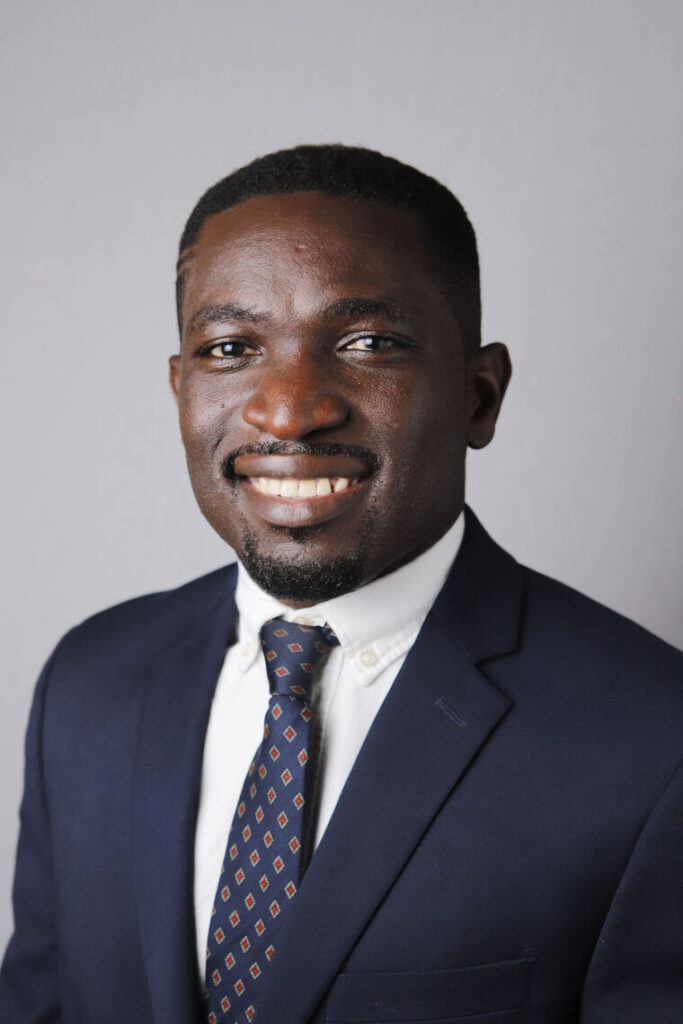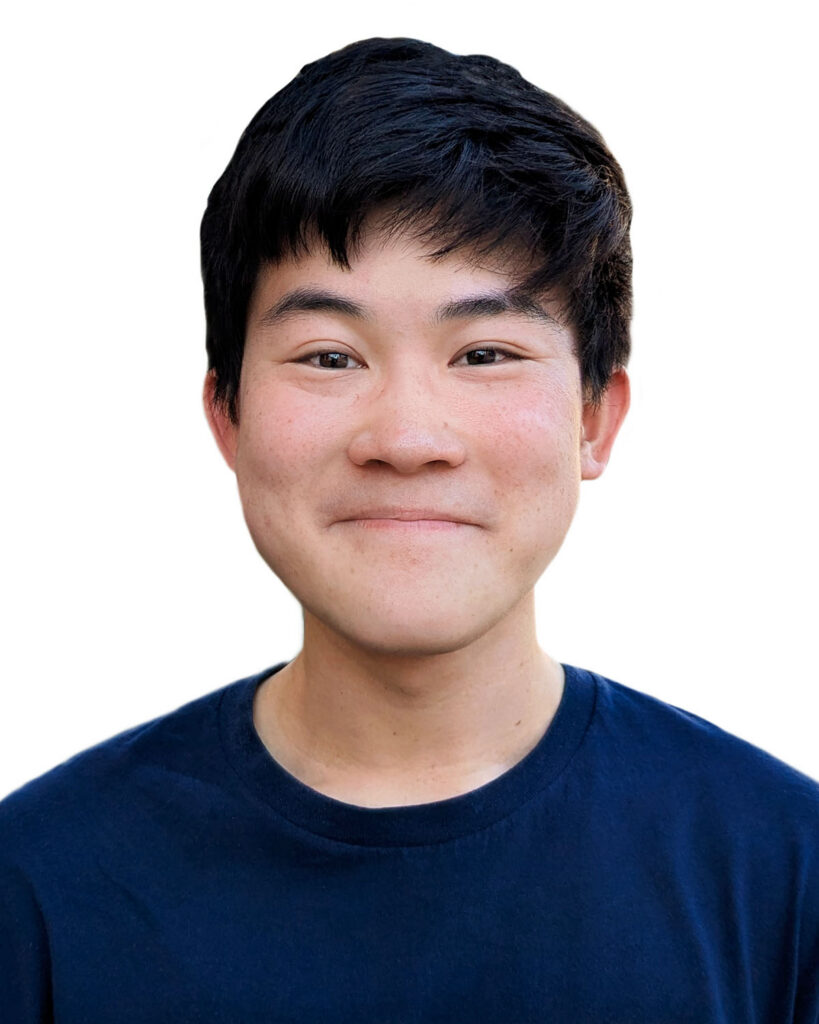
About Daniel Chen

Daniel G. Chen was born in the Midwestern United States which is where his parents, both originally from China, immigrated to in the late 1990s. They were drawn to the unique educational opportunities America offered and the country’s marked efforts to attract immigrants during the turn of the millennium, such as the full rides they received to pursue graduate education. Together, these factors instilled in them a feeling of endless possibility that was bolstered by the warm Midwestern welcome they received from their host family whilst at the University of Iowa (go Hawkeyes!). 

Early on, Daniel’s parents urged him to seize upon his curiosities. Their unwavering support for his varied interests from prehistoric fauna to Seattle marine life nurtured his original, and continued, interest in the processes that have created such a diversity of life. To act on this interest, he entered the University of Washington (UW) via their early entrance program. There, Professor Emily Jacobs-Palmer encouraged Daniel to work on an independent research project with two other students to track an invasive species, Nutria, across the Greater Seattle Area. Daniel spent his time at UW exploring the different paths he could take from an internship at Meta’s Facebook AI Research team to semi-structured interviews of Grecians with UW’s International Studies Department and his most exhilarating work at the Institute of Systems Biology and the Fred Hutchinson Cancer Center on identifying drivers of the human immune response to COVID-19 and solid tumors spanning skin, lung, and pancreas.

During his time at UW, Daniel was fortunate to be supported by internal and external funding, including the Washington Research Foundation and the Goldwater Scholarship. Along with mentorship, this financial support was crucial to his ability to fully devote himself to research. Daniel continues to pay the kindness he received forward through mentorship. 

Daniel was fortunate for his time at UW to culminate in a Marshall Scholarship that supported his studies at the University of Cambridge where he studied the athymic organoid system developed by Professor Gay Crooks at the University of California, Los Angeles (UCLA). Daniel is now at UCLA, pursuing research with Professors Antoni Ribas and Katie Campbell investigating how immune checkpoint blockade (ICB, “releasing the brakes on the immune system”) may overcome initial resistance to cancer therapy and how they may break through acquired resistance to ICB that prevent complete remission. He is excited to continue this work in the coming years and aspires to, eventually, develop new lines of therapy that will increase immunotherapy efficacy whilst minimizing off-target side effects.

Education

  • MD in Medicine, University of California, Los Angeles (UCLA)
  • PhD in Immunology, University of California, Los Angeles (UCLA)
  • BS in Microbiology, University of Washington
  • BS in Informatics (Data Science), University of Washington
  • MPhil in Computational Biology, University of Cambridge
  • MRes in Genomic Medicine, University of Cambridge

Professional Fields

Daniel's Links

Related Articles

Meet More Fellows