- Applicant Information
Musicians: Applying for the PD Soros Fellowship
The Paul & Daisy Soros Fellowships for New Americans (PD Soros) supports up to two years of graduate study for immigrants and children of immigrants. This guide provides application guidance for applicants pursuing graduate degrees, such as MM, MFA, MA, PhD, and DMA in music performance, composition, conducting, music education, musicology, and related disciplines. If you are pursuing another field, please find more information here.
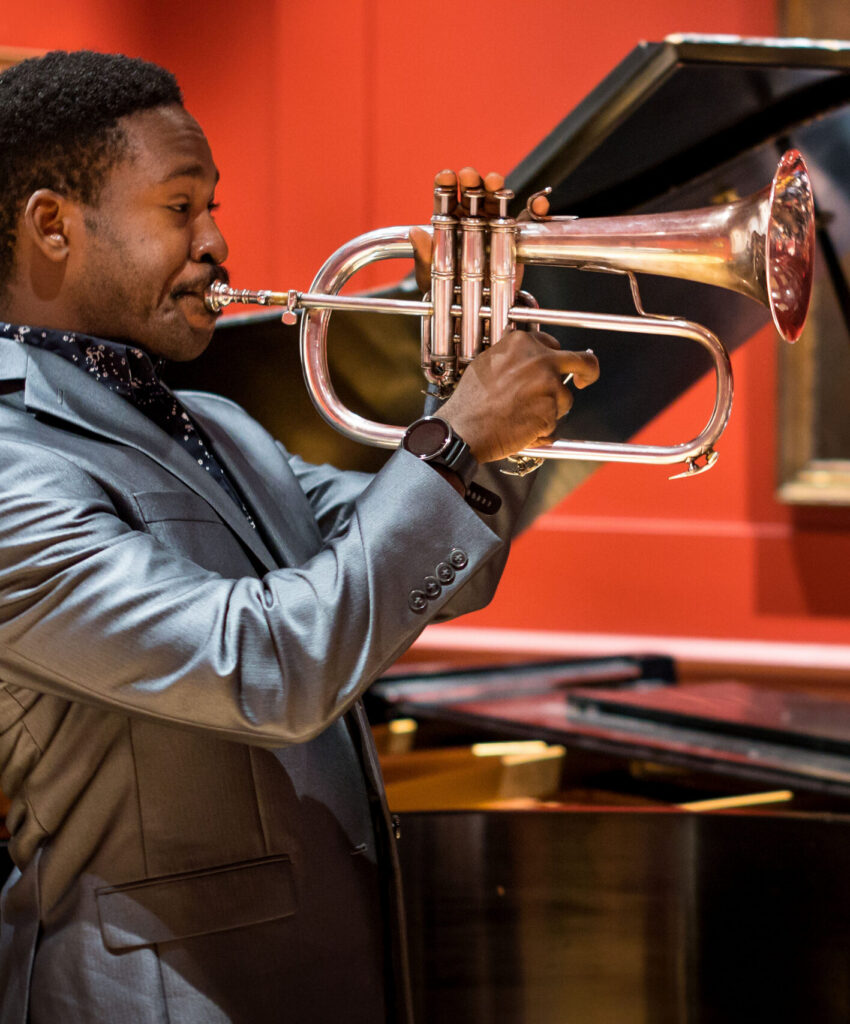
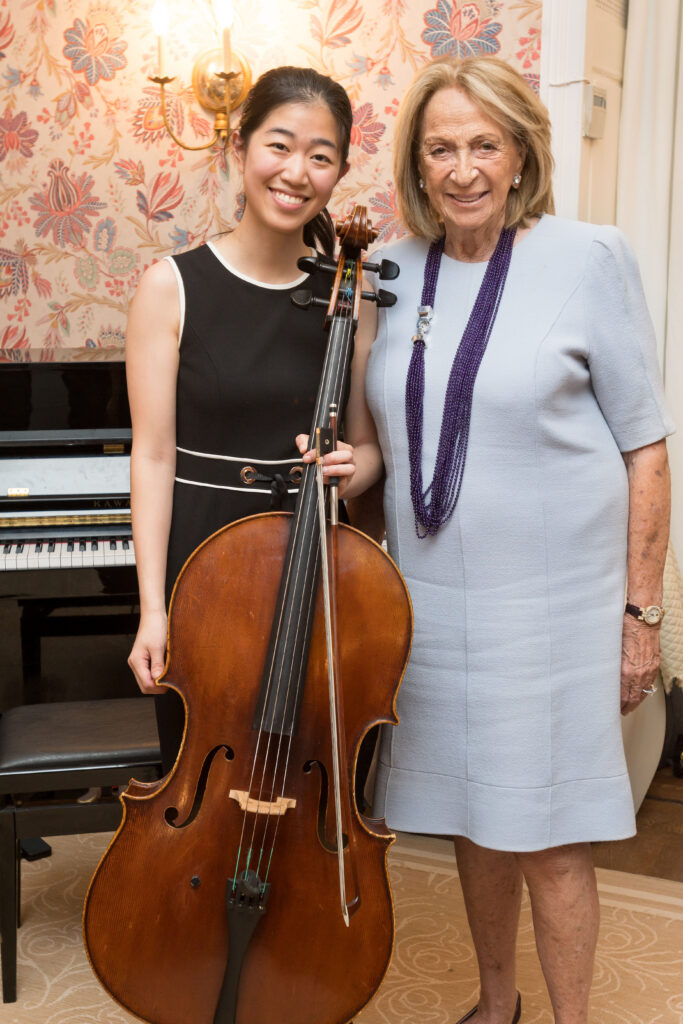
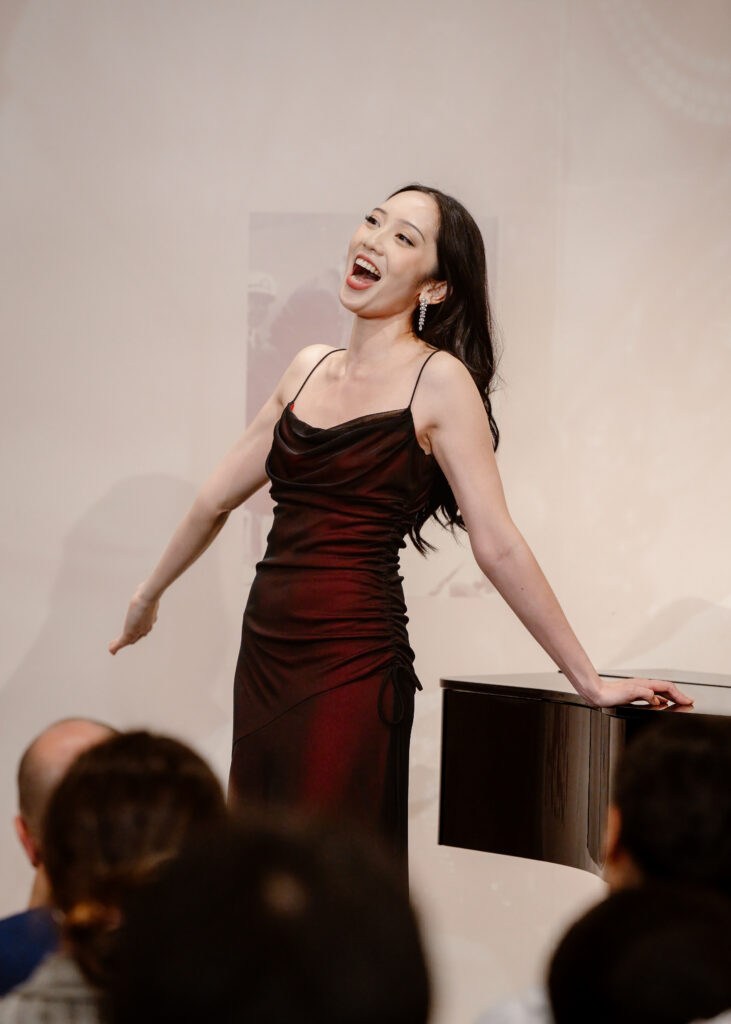
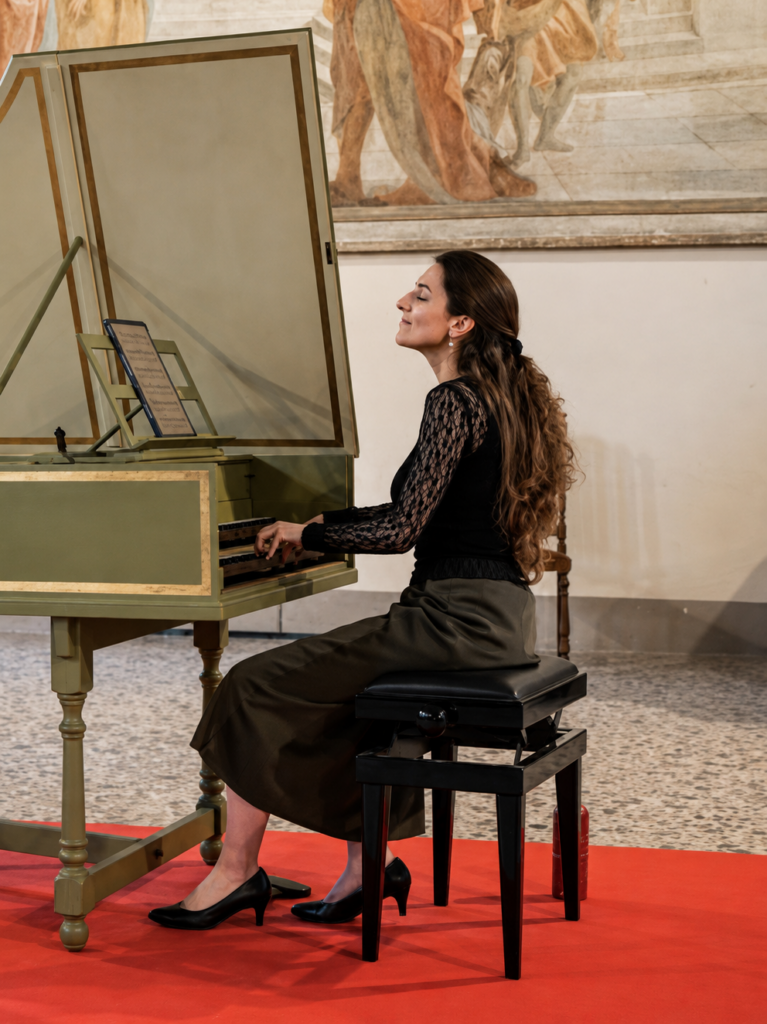
Recent Fellows In Music
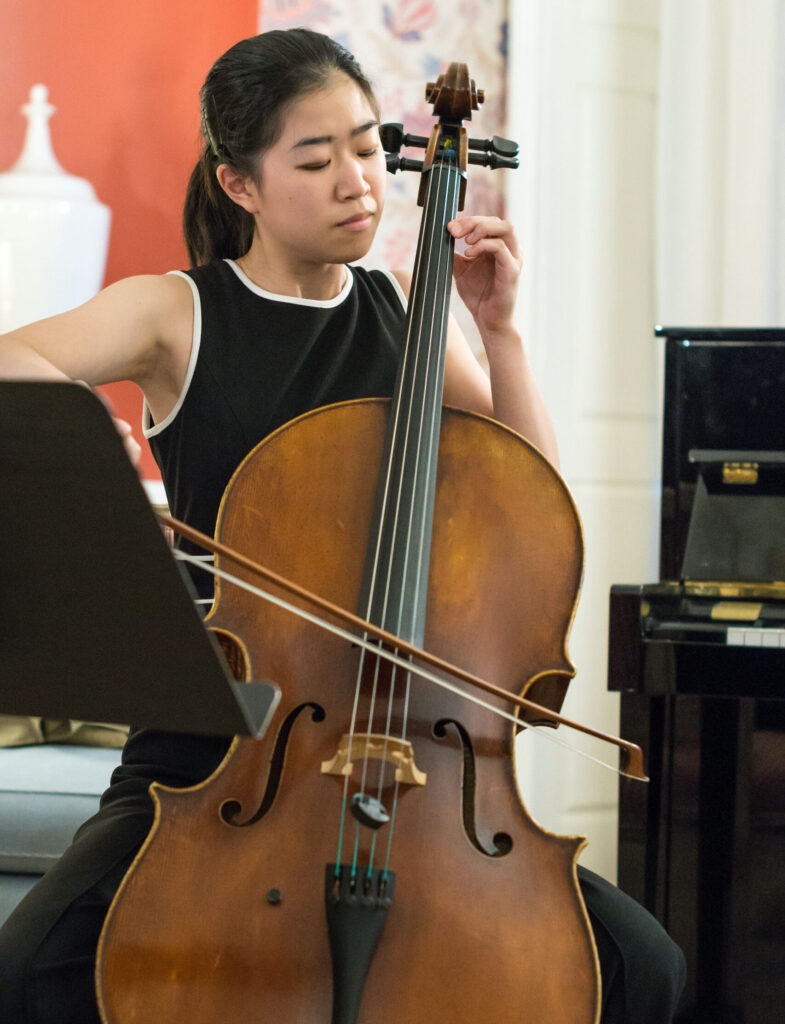
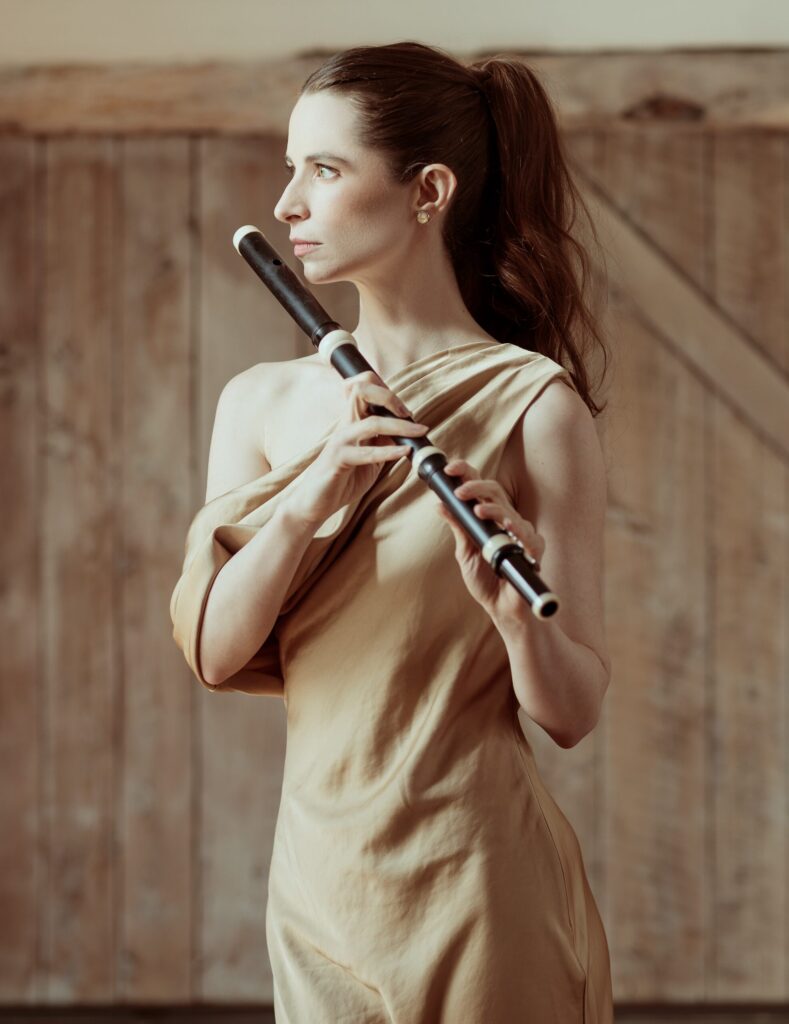
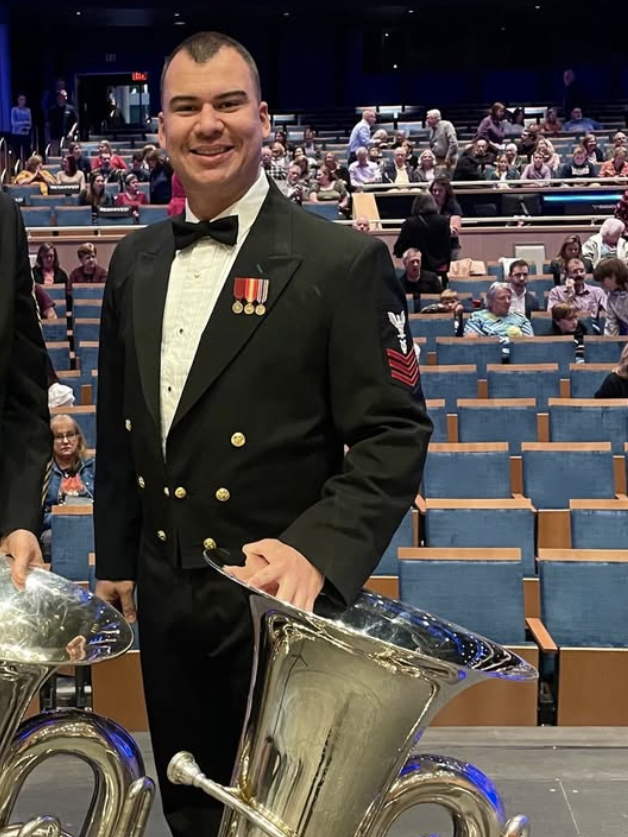
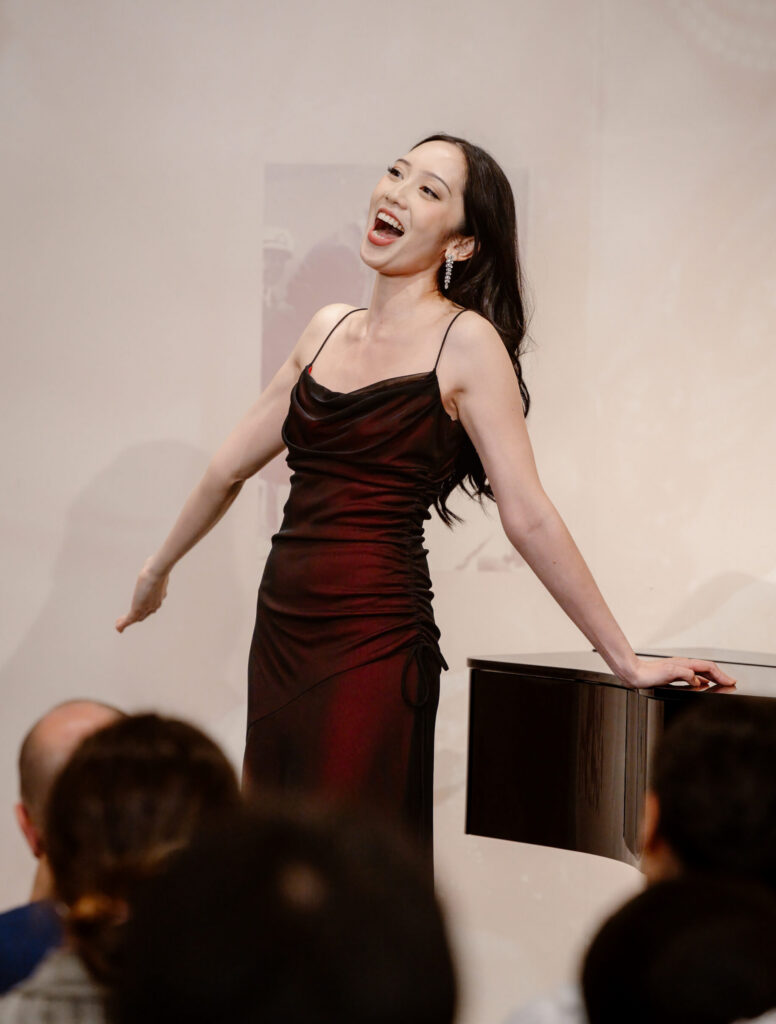
Am I Eligible?
Unsure about your eligibility? Review our full Eligibility Guide or take our Eligibility Quiz.
Common Graduate Degrees for PD Soros Fellows in Music
Fellows pursue a range of graduate degrees, including:
- MM – Performance, Composition, Conducting, Jazz Studies, Music Education
- MFA – Composition, Performance
- MA – Musicology, Ethnomusicology, Music Theory
- PhD – Musicology, Ethnomusicology, Music Theory, Composition
- DMA – Performance, Composition, Conducting
Application Advice from Music Fellows:
On the Resume
- Length is flexible; resumes typically range from 1-3 pages.
- Provide a clear summary of your professional and academic accomplishments.
- Consider including experiences that don’t fall within your professional or academic focus.
- Include performance experience, recordings, and awards if relevant.
- For musicians with extensive performance credits, focus on the most significant or representative works.
- Organize based on what you prioritize—performance, outreach, service, or leadership.
- Think about how your resume reinforces what you write about in your career goals essay.
- Consider including brief context for awards (e.g., “given to the top five performers”).
On Letters of Recommendation
- All applicants are required to submit three to five recommendations.
- Recommenders for Fellows in music have included professors, advisors, ensemble directors, conductors, and professional mentors–some candidates in music also include recommenders outside of the field who can speak to the candidate’s other talents, interests, or experiences.
- Choose individuals who know you well and can provide specific examples of your musicianship, growth, and accomplishments.
- Request recommendations early and provide recommenders with context about the Fellowship.
- Share your essays or New American experience with your recommenders if you feel comfortable. This gives them context and helps them write stronger letters.
For more detailed guidance on recommendations, please review our Guide for Recommenders.
Optional Exhibits
One of the most important parts of the application for musicians is the Optional Exhibits sections. While this section is optional, it’s a critical way to showcase your work. The Fellowship strongly encourages applicants in music to utilize this section.
The Optional Exhibits section allows you to provide evidence and examples of your accomplishments and creative work. You can also share parts of your life that may not relate directly to your field, such as important hobbies or passions.
Musicians are encouraged to take advantage of this space to provide examples of their work. Review our optional exhibits guide here.
Examples of Exhibits for Applicants in Music:
- Links to recordings or videos of performances
- Compositions or arrangements you’ve written
- Programs from concerts or recitals
- Press coverage or reviews
Organization Tips:
- Create a cover sheet with brief descriptions of each exhibit
- Include your role, the timeframe from which the work is from, and the significance of each piece
- For video or audio links, provide a one- to two-sentence summary
- Select work that best represents your abilities and the direction of your career
Examples from Fellows:
– Audrey included two videos: a project she produced during the pandemic that showcased her leadership, and a traditional piece of chamber music.
– Dave included a traditional performance piece and a string quartet he composed for his senior recital.
The Essays
The essays are a valuable part of your application. For additional guidance, we encourage you to review our Essay Writing Guide and watch our Webinar on Writing Essays.
Essay 1: The New American Experience
Tell us about your experiences as a New American. Whether as an immigrant yourself, or as a child of immigrants, how have your experiences as a New American informed and shaped who you are and your accomplishments?
Feel free to discuss how individual people (such as family or teachers), institutions, aspects of law, culture, society or American governance made an impact on your life as an immigrant or child of immigrants. The program is interested in understanding the context of your personal, professional, and academic accomplishments.
- This essay invites you to share your story through the lens of your New American identity. It is an opportunity to help us understand who you are, where you come from, and how your background has shaped your values and aspirations.
Tips From Fellows in Music:
Dave encourages applicants to speak from the heart and think about what makes their experience unique: “Think about who you are first. Your experiences in life and the unique thing that you’ve been through that a lot of people have not because you’re a new American… I don’t think that you need to be super fancy and try to blow everybody away with your eloquence. I think really having a heartfelt story is probably what’s gonna move the needle.”
Audrey reflects on the value of deeper conversations with family during the application process: “Call your parents and talk to them. In some ways that is the prize—it wasn’t even getting the fellowship, but it was the connection to your understanding of who you are and your identity.”
Additional Guidance:
– Consider this essay as an opportunity to demonstrate your skills as a storyteller
– Use specific, vivid details that bring your narrative to life
– Consider what makes your voice and perspective distinct
Essay 2: Goals and Graduate Study
Tell us about your current and near-term career-related activities and goals, as well as why you decided to pursue the specific graduate program(s) and schools that you have. How do you see your current work and study informing your early career goals? If you have not been accepted into a program yet, please tell us about why you selected the programs to which you are applying.
- This essay looks forward, explaining why you are pursuing graduate education and what you hope to achieve in your career. For writers, this is where you articulate your vision and the specific contribution you aim to make through your work.
Tips From Fellows in Music:
Audrey suggests grounding big goals in concrete examples of work already in progress: “I talked about my vision and these larger goals, but then I also tried to back it up with some concrete activities that I did recently that really show that I’m on that trajectory.”
Dave encourages thinking about what your art form means to you philosophically: “I approached a lot of it from the idea of trying to paint a picture of what this art form means—what does it mean to be a jazz musician in the modern day and what does it philosophically represent?”
Additional Guidance:
– Articulate the specific questions, themes, or repertoire you want to explore in your work
– Explain how graduate training will develop your craft and deepen your musicianship
– Connect your immediate academic plans to your long-term artistic vision
– Demonstrate ambition; we want you to think beyond your graduate program
– Write when you’re feeling optimistic and inspired
– Consider why your field is important
Final Recommendations
- Start early. The essays and recommendation requests require thought and time. Give yourself space to draft, revise, and receive feedback.
- Be authentic. Your unique voice and perspective are among your greatest strengths.
- Think expansively. Consider what you hope to change or contribute through your music.
- Seek feedback. Share your essays with trusted mentors or colleagues.
- Connect your identity to your work. We want to understand how your New American background informs your music and career goals.
As 2017 Fellow Dave Adewumi shared in an information session, “How lucky are we as musicians to be able to share our art form and approach the world with beauty, courage, and love.” That sense of purpose and gratitude is something we see in so many of our Fellows. The application process is more than an opportunity to share your work. It’s a chance to reflect on your journey and the impact you hope to make. We look forward to learning about you and your work.
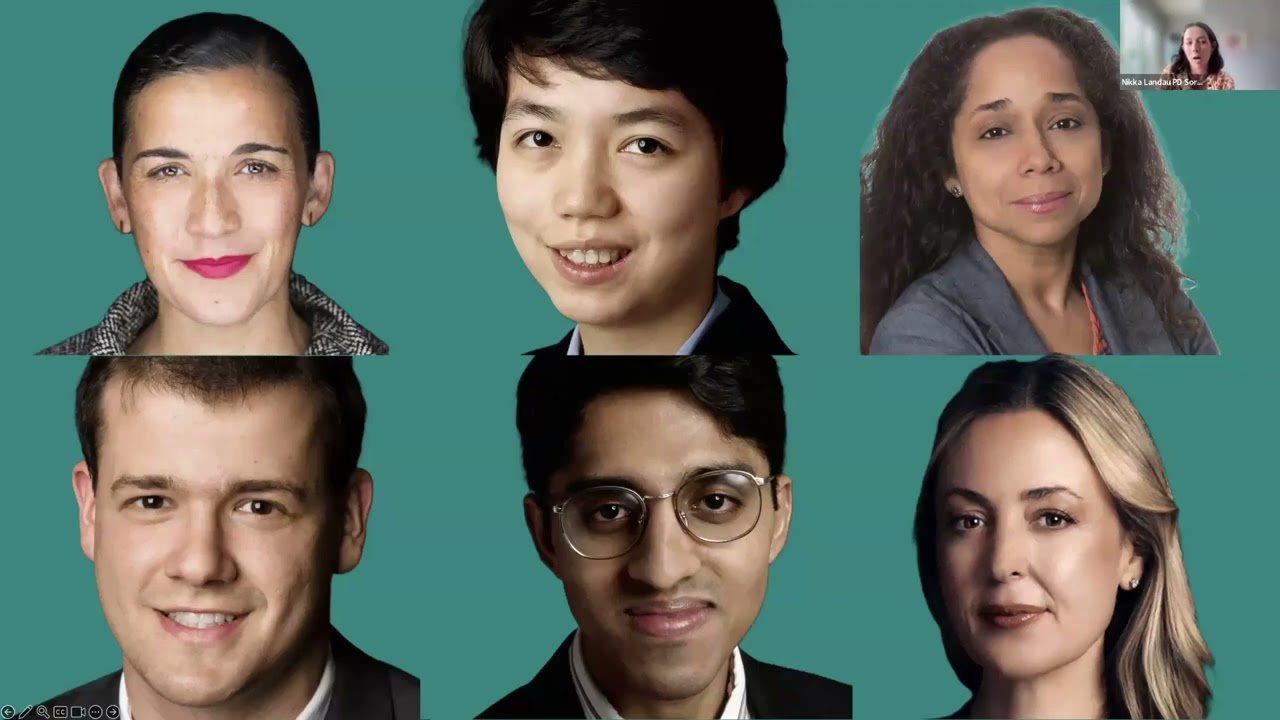
Featured Fellows
-
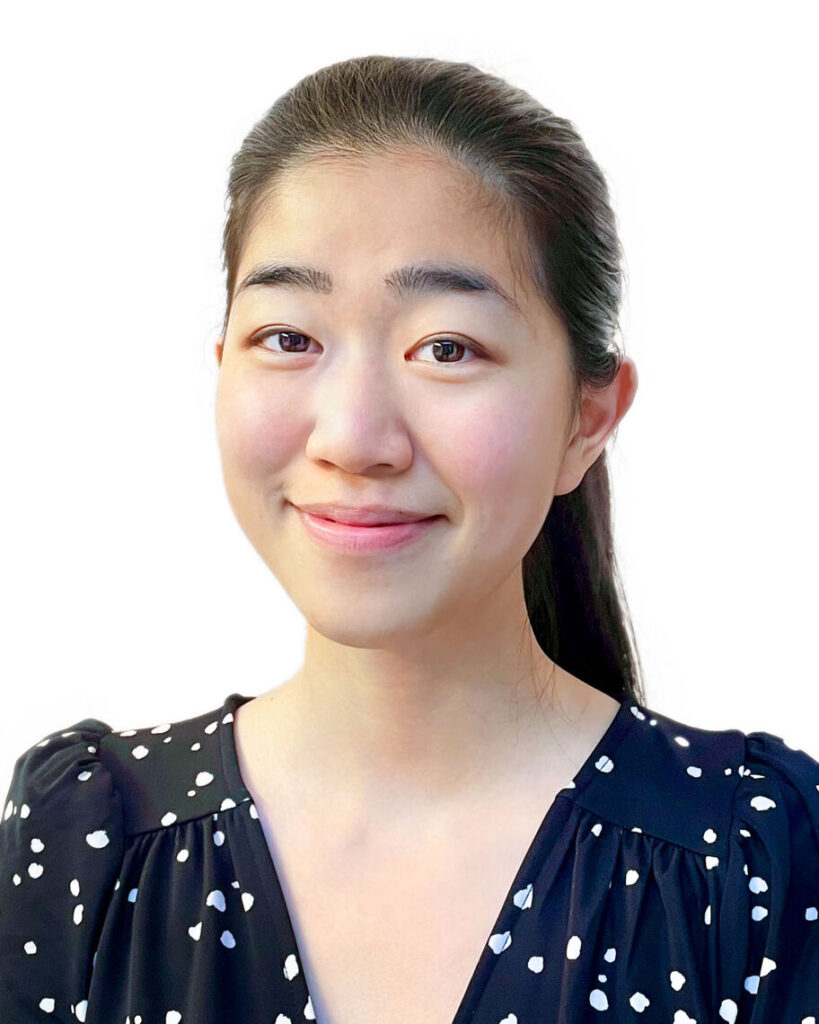
Audrey Chen
DMA, The Graduate Center, CUNY
Audrey Chen is the child of immigrants from Taiwan. Fellowship awarded in 2022 to support work towards a DMA in Music/Cello Performance at The Graduate Center, CUNY
-
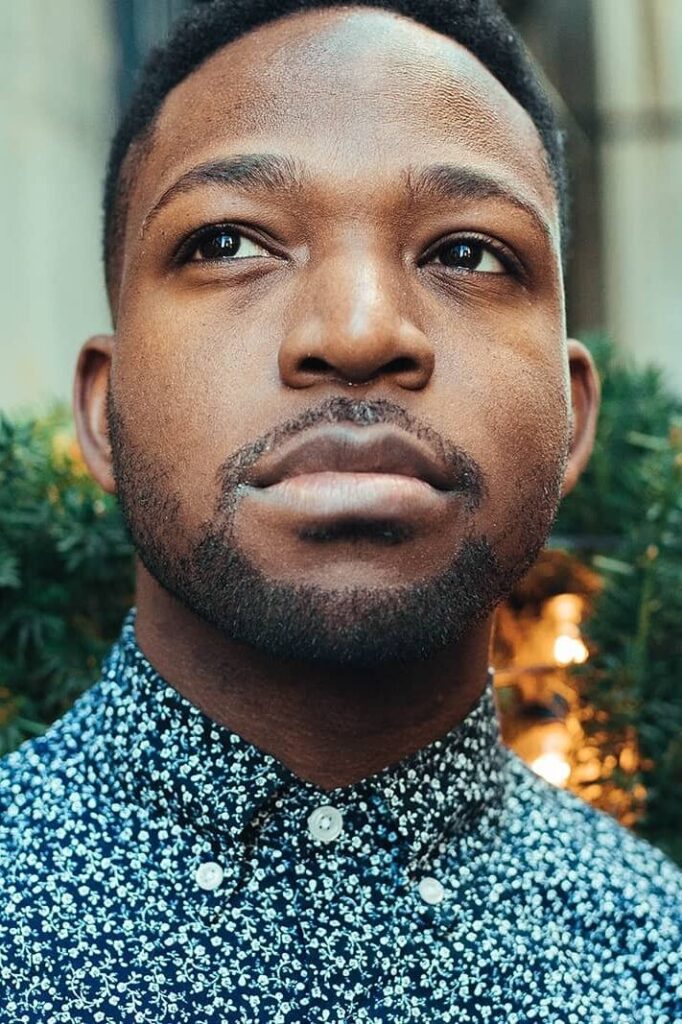
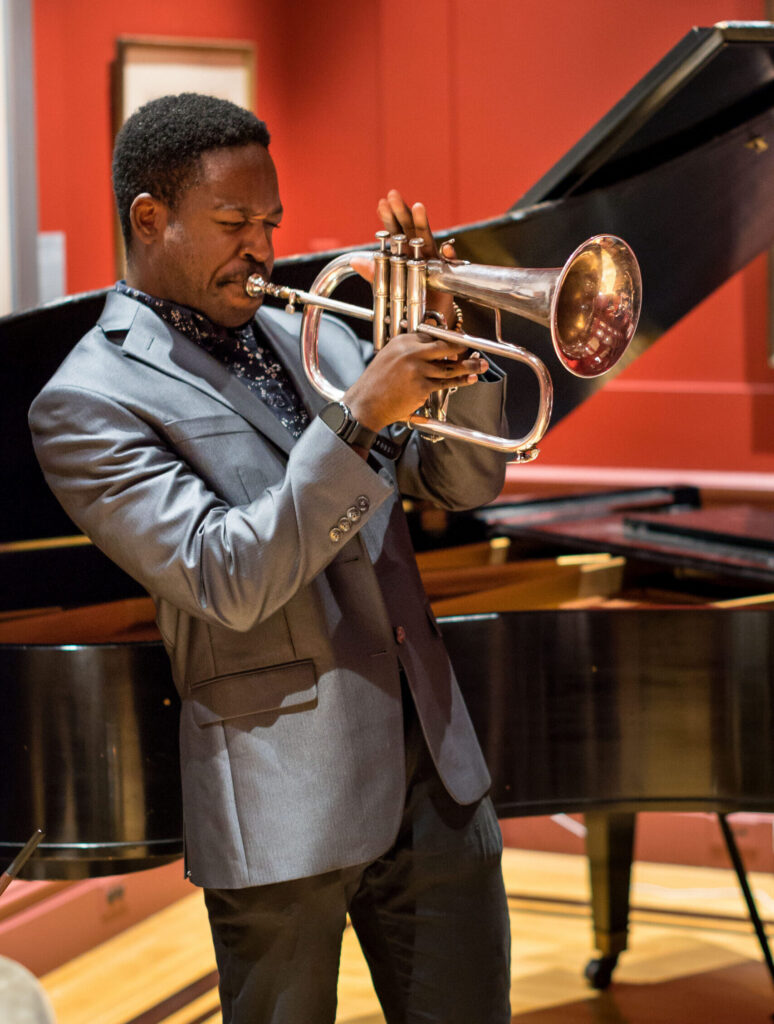
David Adewumi
Trumpet Player, Composer & Educator
David Adewumi is the child of immigrants from Nigeria. Fellowship awarded in 2017 to support work towards an MM in Jazz Trumpet at The Juilliard School
Keep Exploring
-
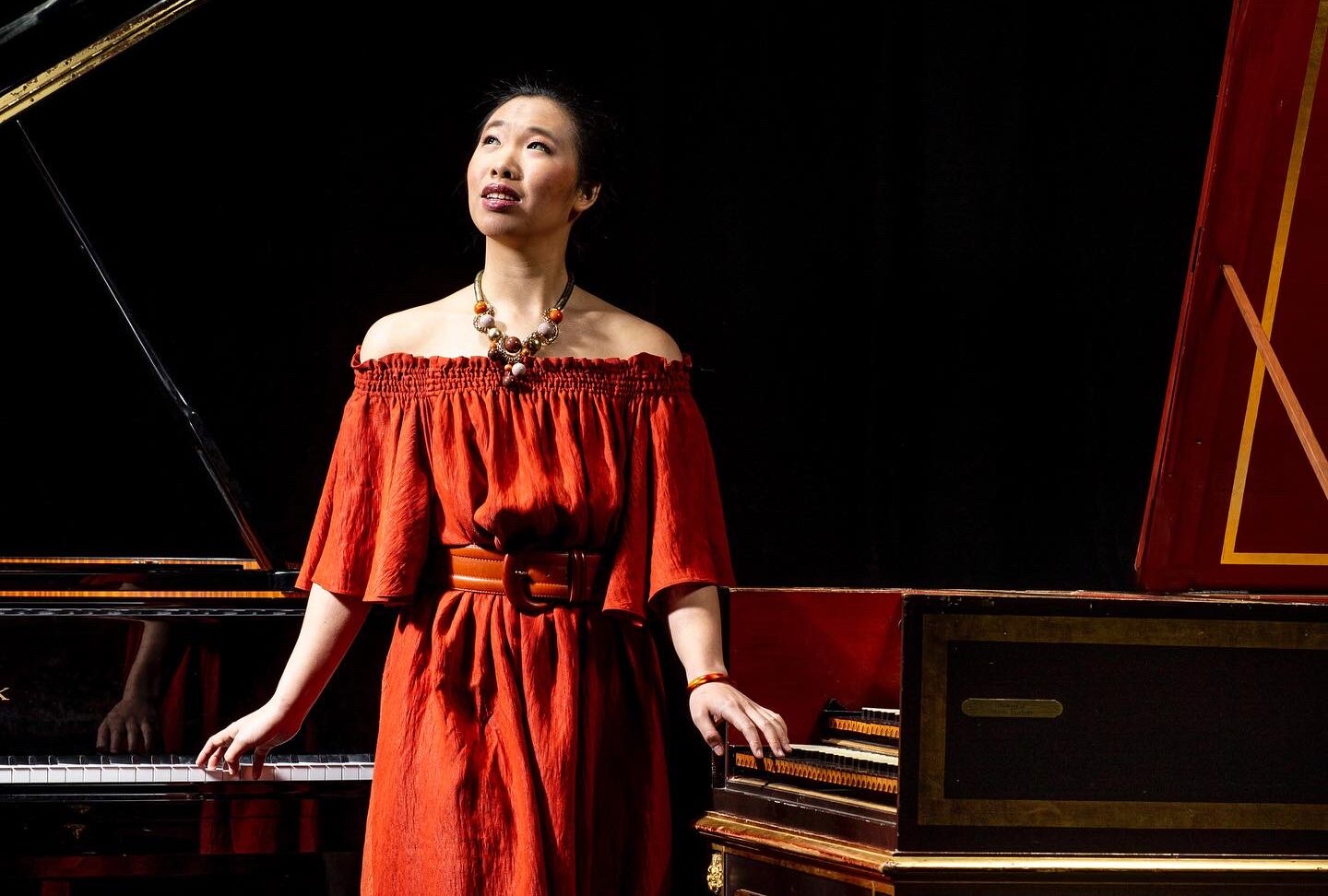 Read more: PD Soros Fellow Hilda Huang: A Voice Across Centuries
- Fellow Highlights
PD Soros Fellow Hilda Huang: A Voice Across Centuries
-
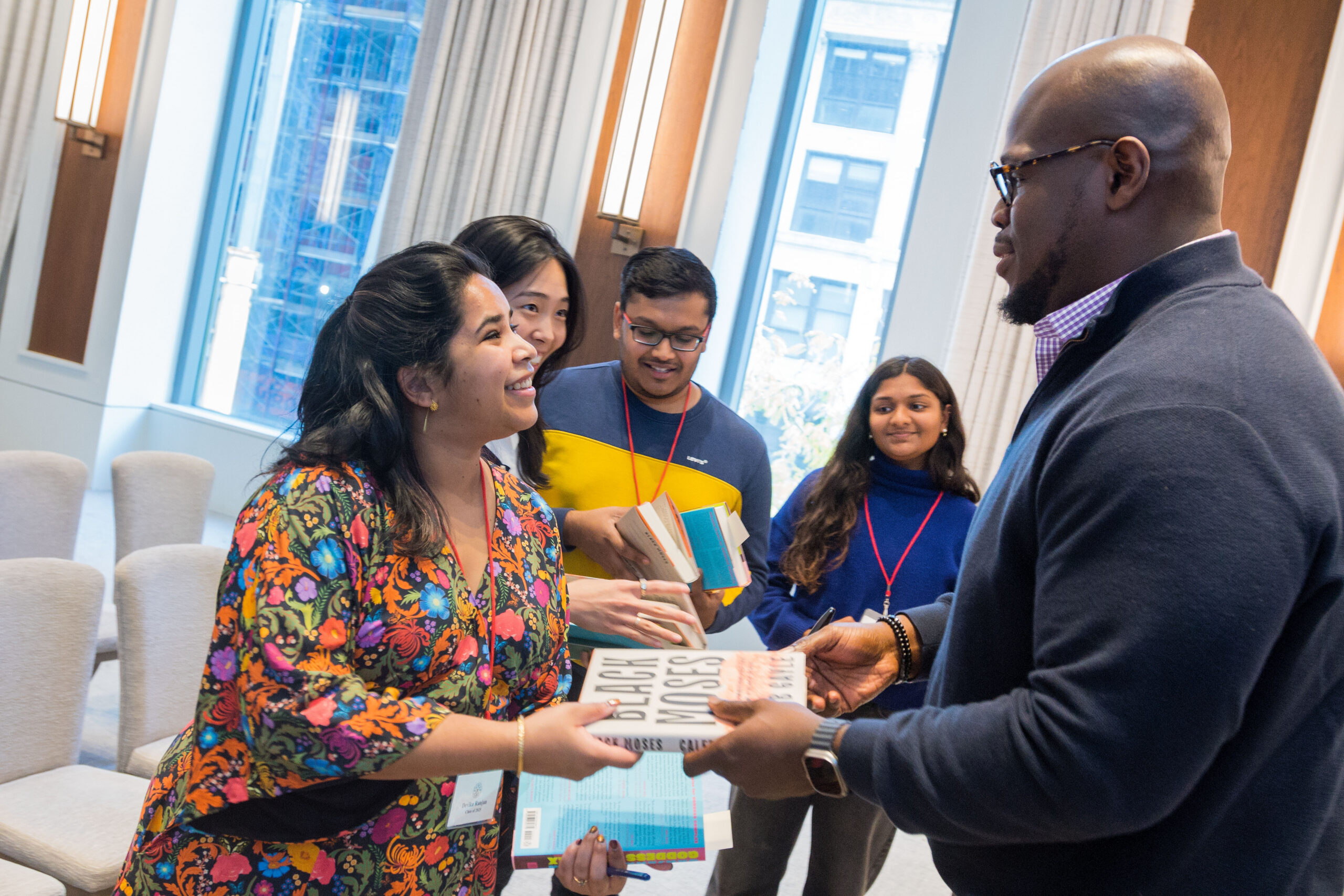 Read more: Writers: Applying for the PD Soros Fellowship
- Applicant Information
Writers: Applying for the PD Soros Fellowship
-
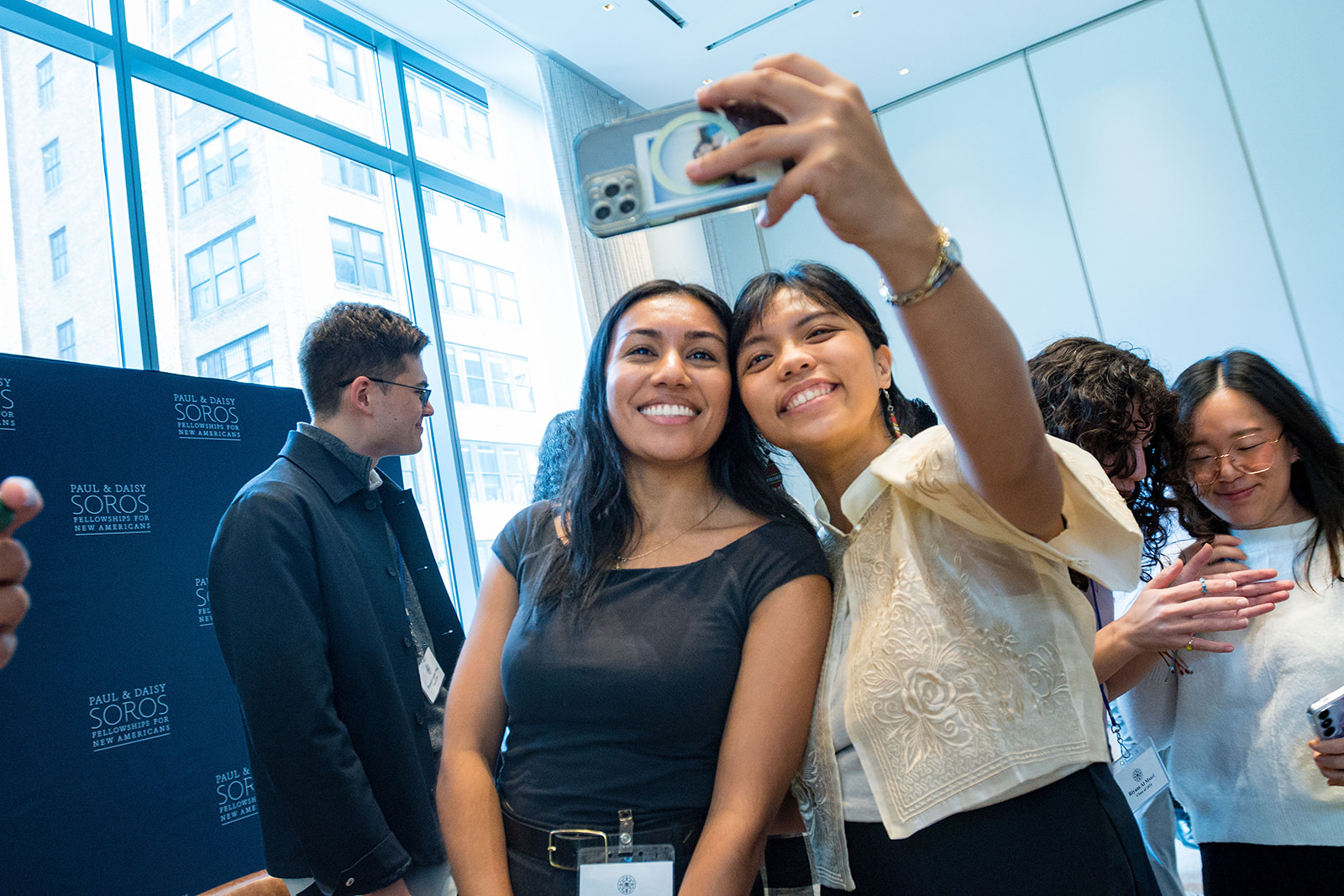 Read more: Q&A: JD Student Ananya Agustin Malhotra Looks Back At The Fellowship
- Fellow Highlights
Q&A: JD Student Ananya Agustin Malhotra Looks Back At The Fellowship
-
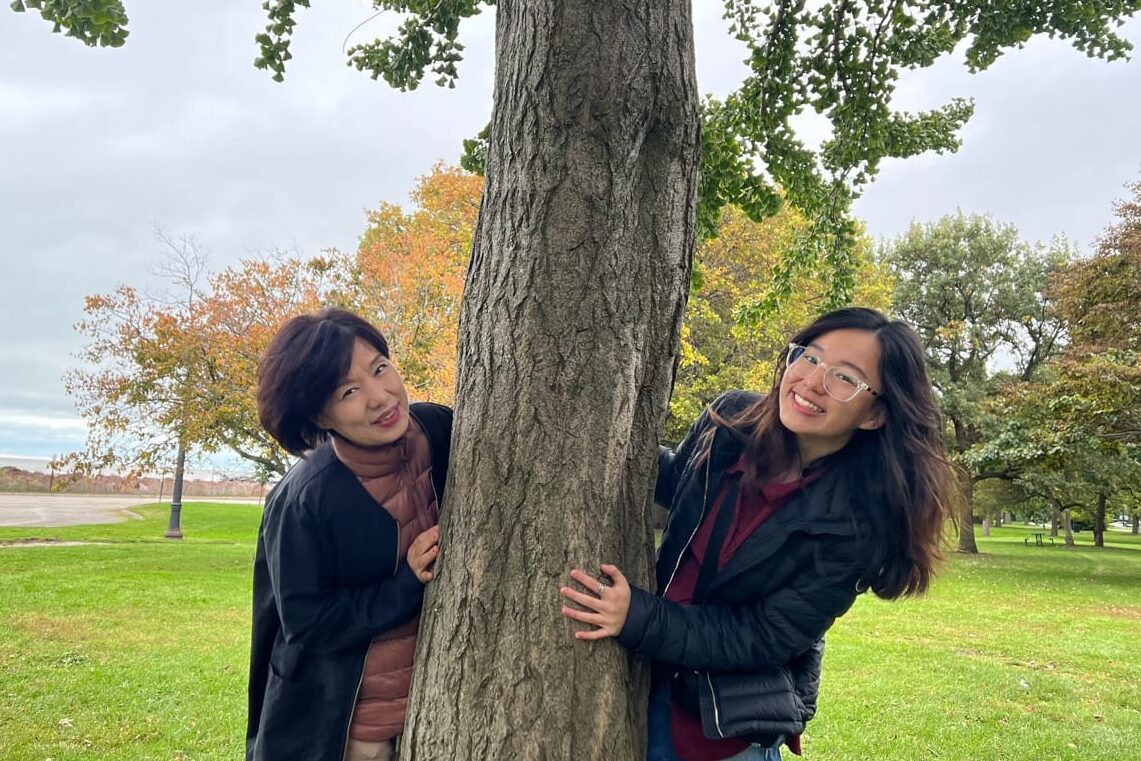 Read more: Q&A With Chemistry PhD Student Minjung Kim
- Fellow Highlights
Q&A With Chemistry PhD Student Minjung Kim