- Applicant Information
Writers: Applying for the PD Soros Fellowship
The Paul & Daisy Soros Fellowships for New Americans (PD Soros) supports up to two years of graduate study for immigrants and children of immigrants. This guide provides application guidance for applicants pursuing graduate degrees, such as MFAs, MAs, and PhDs, in fields such as creative writing, journalism, screenwriting, playwriting, poetry, English literature, and related disciplines. If you are pursuing another field, please find more info here.
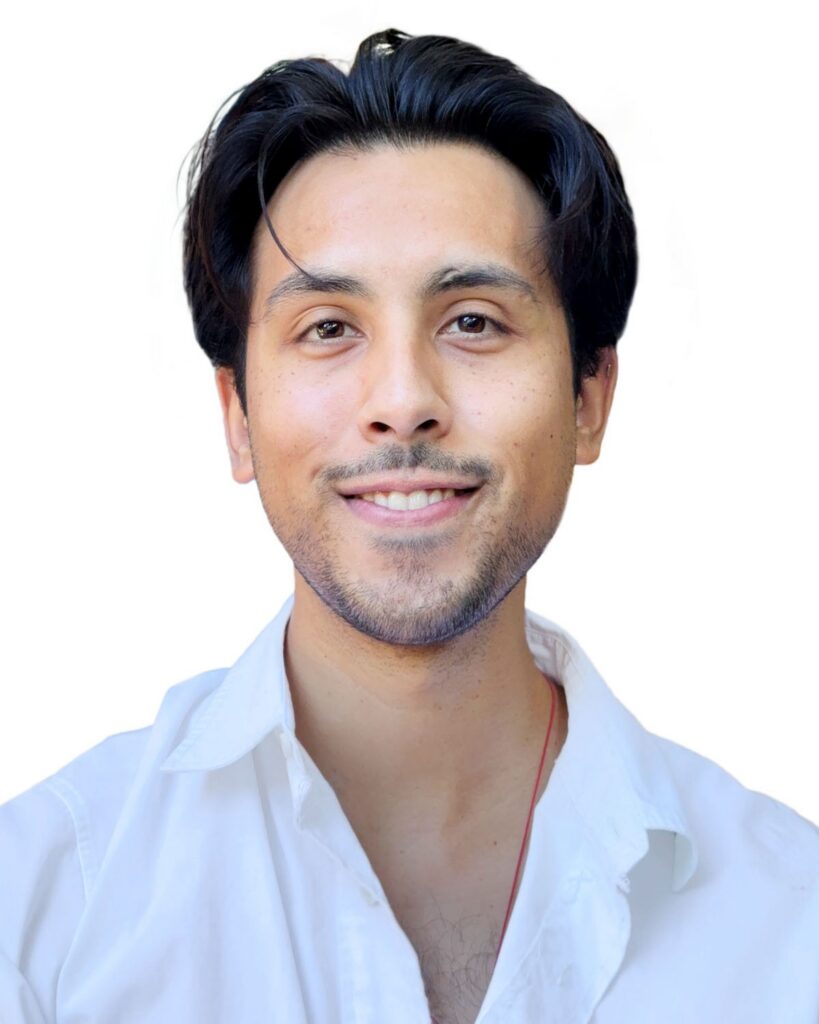
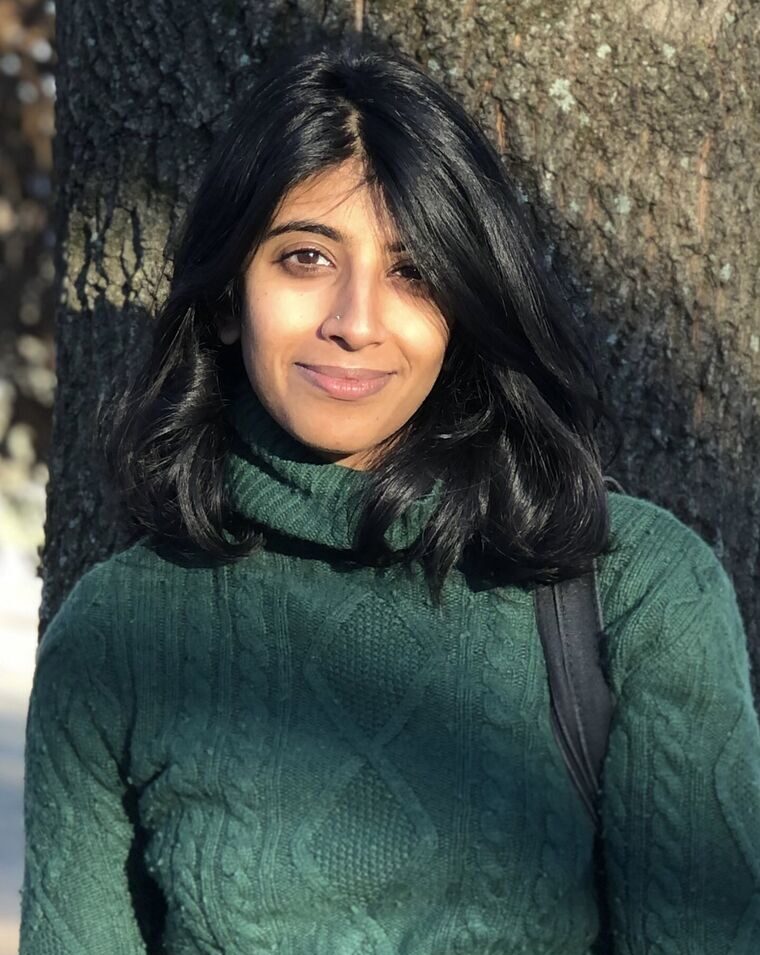
Recent Fellows In Writing

Am I Eligible?
Unsure about your eligibility? Review our full Eligibility Guide or take our Eligibility Quiz.
Common Graduate Degrees for PD Soros Fellows in Writing Fields
Fellows pursue a range of graduate degrees, including:
- MFA – creative writing, playwriting, screenwriting, poetry, fiction, nonfiction
- MA – journalism, English Literature, media studies, communication, comparative literature
- MS – journalism, publishing, media studies
- PhD – English Literature, creative writing, comparative literature, media studies
- Other advanced degrees – DFA, EdD, JD, and related programs
Application Advice from Writer Fellows:
On the Resume
- Length is flexible; resumes typically range from 1-3 pages
- Provide a clear summary of your professional and academic accomplishments
- Include relevant writing experience, publications, presentations, and awards
- For writers with extensive publication credits, focus on the most significant or representative works
On Letters of Recommendation
- All applicants are required to submit three to five recommendations
- Recommenders for Fellows have included supervisors, faculty mentors, thesis advisors, and professional mentors
- Choose individuals who know you well and can provide specific examples of your accomplishments
- Request recommendations early and provide recommenders with context about the Fellowship
For more detailed guidance on recommendations, please review our Guide for Recommenders.
Optional Exhibits
One of the most important parts of the application for writers is the Optional Exhibits sections. While this section is optional, it’s a critical way to showcase your work.
The Optional Exhibits section allows you to provide evidence and examples of your accomplishments and creative work. You can also share parts of your life that may not relate directly to your field, such as important hobbies or passions.
Writers are encouraged to take advantage of this space to provide examples of their work. Review our optional exhibits guide here.
Examples of Exhibits for Applicants in Writing:
- Published articles
- Excerpts from creative writing (novels, short stories, poetry)
- Screenwriting samples
- Educational presentations or slide decks
- Links to recorded performances or readings
Organization Tips:
- Create a cover sheet with brief descriptions of each exhibit
- Include your role, the timeframe from which the work is from, and the significance of each piece
- For video or audio links, provide a one- to two-sentence summary
- For work in languages other than English, include a translation if possible
- Select work that best represents your abilities and the direction of your career
The Essays
The essays are a valuable part of your application. For additional guidance, we encourage you to review our Essay Writing Guide and watch our Webinar on Writing Essays.
Essay 1: The New American Experience
Tell us about your experiences as a New American. Whether as an immigrant yourself, or as a child of immigrants, how have your experiences as a New American informed and shaped who you are and your accomplishments?
Feel free to discuss how individual people (such as family or teachers), institutions, aspects of law, culture, society or American governance made an impact on your life as an immigrant or child of immigrants. The program is interested in understanding the context of your personal, professional, and academic accomplishments.
- This essay invites you to share your story through the lens of your New American identity. It is an opportunity to help us understand who you are, where you come from, and how your background has shaped your values and aspirations.
Tips From Fellows in Writing:
Gloria Oladipo encourages applicants to be honest and avoid writing towards an agenda: “Trying to game the essay will ultimately make it sound generic. Write towards a truth, write towards joy.”
Su Kim recommends starting with a brainstorming process: “I created a Google Doc and dumped everything I thought was important or interesting about my family history, my parents’ experiences as immigrants, and my own experience growing up. I knew most of it wouldn’t make it into the essay, but I let myself see what came up and what felt notable to me.”
Additional Guidance:
– Consider this essay as an opportunity to demonstrate your skills as a storyteller
– Use specific, vivid details that bring your narrative to life
– Consider what makes your voice and perspective distinct
Essay 2: Goals and Graduate Study
Tell us about your current and near-term career-related activities and goals, as well as why you decided to pursue the specific graduate program(s) and schools that you have. How do you see your current work and study informing your early career goals? If you have not been accepted into a program yet, please tell us about why you selected the programs to which you are applying.
- This essay looks forward, explaining why you are pursuing graduate education and what you hope to achieve in your career. For writers, this is where you articulate your vision and the specific contribution you aim to make through your work.
Tips From Fellows in Writing:
Gloria Oladipo describes this essay as an opportunity to dream: “This essay was just me starting to dream, really speaking towards the things I had written in diaries and manifestations I had been speaking to myself. This was putting it down on paper and getting to be expansive.”
Su Kim emphasizes being specific about your goals: “I was concrete about some of the changes that I wanted to make and the questions I was grappling with.”
Additional Guidance:
– Articulate the specific questions, themes, or subjects you want to explore in your writing
– Explain how graduate training will develop your craft and deepen your work
– Connect your immediate academic plans to your long-term vision for your work
– Be specific about what you hope to contribute— whether it be a new voice in journalism, a fresh perspective in theater, an untold story in literature
– Demonstrate ambition; we want you to think beyond your graduate program
– Consider why your field is important
Final Recommendations
- Start early. The essays and recommendation requests require thought and time. Give yourself space to draft, revise, and receive feedback.
- Be authentic. Your unique voice and perspective are among your greatest strengths.
- Think expansively. Consider what you hope to change or contribute.
- Seek feedback. Share your essays with trusted mentors or colleagues.
- Connect your identity to your work. We want to understand how your New American background informs your writing and career goals.
It is natural to experience imposter syndrome when applying, but there is no single path to becoming a Fellow. Every applicant brings a unique perspective, and every Fellow’s journey is different. As 2026 Fellow, Gloria Oladipo says, “Why not you? If you can activate a part of yourself that doesn’t believe in imposter syndrome, do it.” We look forward to learning about you and your work.
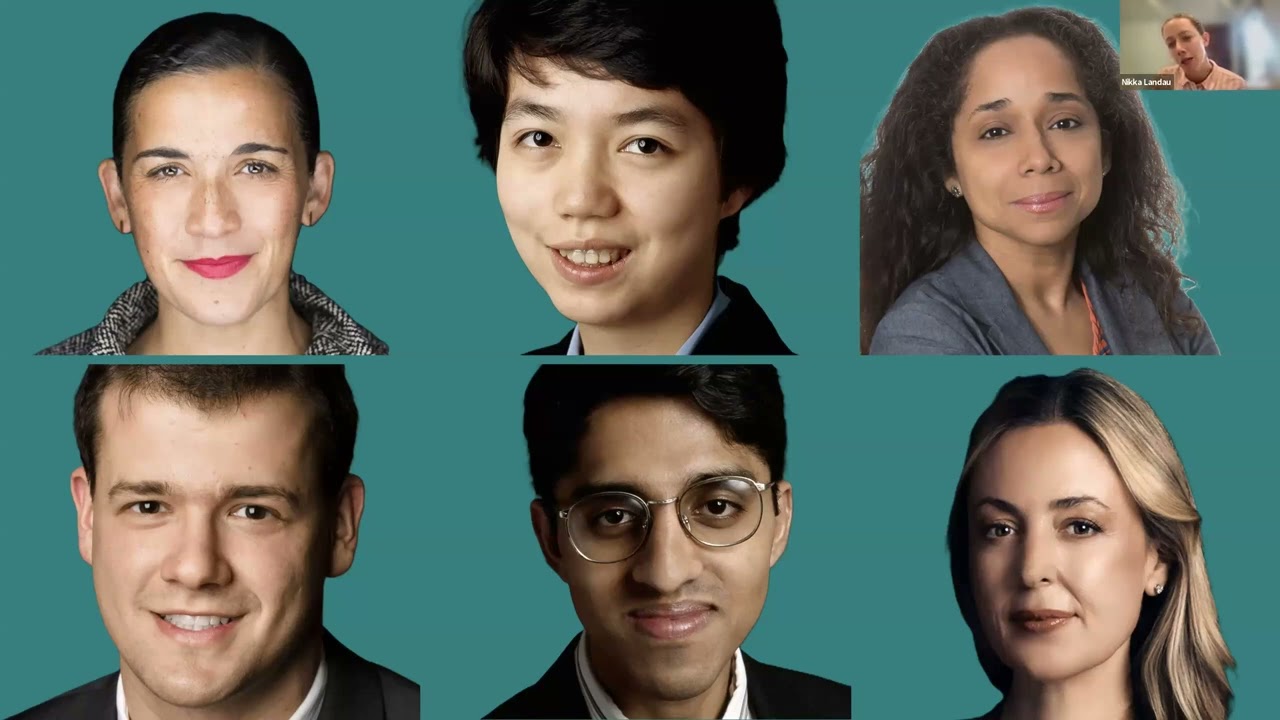
Featured Fellows
-
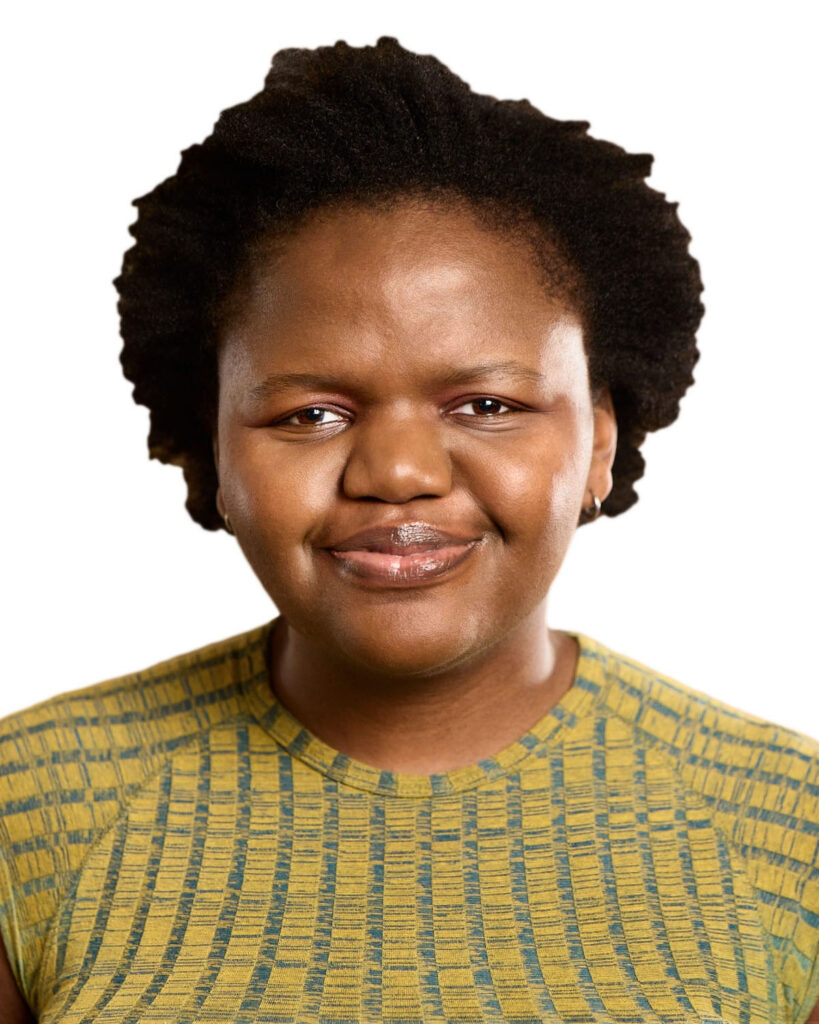
Gloria Oladipo
MFA, Yale University
Gloria Oladipo is the child of immigrants from Nigeria. Fellowship awarded in 2026 to support work towards an MFA in Playwriting at Yale University
-

Su Kim
MS, Columbia University
Su Kim is the child of immigrants from South Korea. Fellowship awarded in 2026 to support work towards an MS in Journalism at Columbia University
Keep Exploring
-
 Read more: PD Soros Fellow Hilda Huang: A Voice Across Centuries
- Fellow Highlights
PD Soros Fellow Hilda Huang: A Voice Across Centuries
-
 Read more: Musicians: Applying for the PD Soros Fellowship
- Applicant Information
- Fellow Highlights
- Music
Musicians: Applying for the PD Soros Fellowship
-
 Read more: Q&A: JD Student Ananya Agustin Malhotra Looks Back At The Fellowship
- Fellow Highlights
Q&A: JD Student Ananya Agustin Malhotra Looks Back At The Fellowship
-
 Read more: Q&A With Chemistry PhD Student Minjung Kim
- Fellow Highlights
Q&A With Chemistry PhD Student Minjung Kim