- Fellow Highlights
Q&A: NYU Acting MFA Student Saidu Tejan-Thomas Jr. Looks Back At The Fellowship
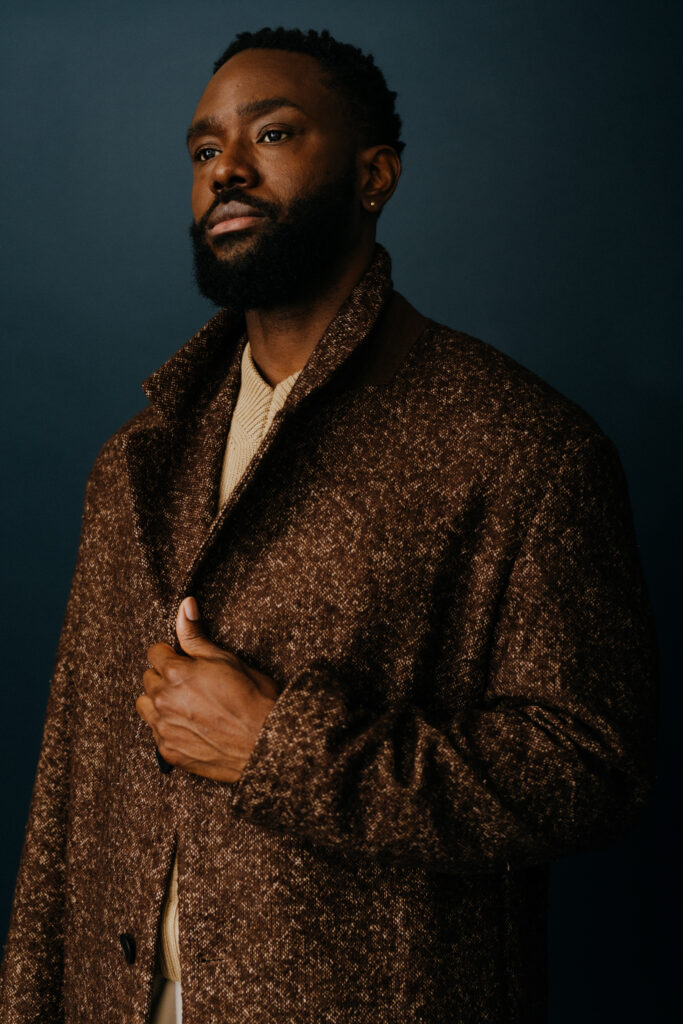
Born in Freetown, Sierra Leone, 2024 Paul & Daisy Soros Fellow Saidu Tejan-Thomas Jr. immigrated to the United States after the Sierra Leonean Civil War to live with his mother. His early struggles to fit in as an eight-year-old immigrant, and his discovery of storytelling as a way to reclaim his identity, have inspired Saidu to support communities through the arts.
Saidu became captivated by theater and audio storytelling because of their power to amplify the voices of Black and Brown people. While earning a degree in public relations from Virginia Commonwealth University, he pursued his passion for performance and narrative by cofounding the organization Good Clear Sound, coproducing the Peabody Award-winning podcast Uncivil, and cocreating Resistance, a show about people refusing to accept things as they are. Saidu is pursuing an MFA in acting at New York University (NYU).
You came to the US as an immigrant. How has that experience shaped the questions you ask in your work or the way you move through the world?
My experience as an immigrant has entirely changed the way I moved through the world. Before America I walked with an ease and sense of self that was confident, even on the other side of war. Because the people around me looked like me, because my existence was validated, because I spoke the same language and my community affirmed me. Immigrating to America was one of the best things to ever happen to me in terms of the opportunity. But in terms of self confidence and assuredness that I belong, the trauma the transition did to my sense of self was warlike. Everything was upended and I had to learn to deal with the everyday tragedies of life millions of miles away from home, while also going about the task of creating a new identity for myself in an unfamiliar place. I say this to acknowledge that even though I’ve made it through the early phases of those growing pains, it’s worth naming how distance from home can impact one’s self image.
What drew you to acting? Was there a moment when you knew this was the right direction?
I was drawn to acting in undergrad, about 10 years ago. I was always interested. Maybe as a new immigrant I watched tv shows and saw kids who were free to be themselves unapologetically without having to translate themselves into a new society and I wanted some of that freedom. Maybe acting seemed, to a younger me, like a way I could speak and know people would have to listen to me. Maybe I felt silenced. Along the way though I discovered other skills that gave me a voice, writing, poetry, and journalism. By the time I decided to pursue acting in grad school I had developed that voice, but the voice felt disembodied. Like I had just developed a character of myself who knows how to be listened to. But freedom, freedom to dance, to move, to play, to take bold risks confidently in life and on stage, all that still eluded me. So five years before I applied to grad school I told myself in five years I would apply to grad school. I was already doing plays in undergrad but I knew there was more of me to discover and more to the craft I needed to learn. So I don’t think there was a moment, there were just a bunch of small moments where I just felt disconnected from myself. Acting has put me back on track and it’s clarified for me a purpose: to use my freedom to be in service of others without it.
What’s something about your background that people might not expect has influenced your work or thinking?
Contemporary Afrobeats music. It just reminds me of home. The writing, the instrument and the permission its also given me to feel my feelings.
What question or problem is at the center of your work right now? How would you explain it to someone outside your field?
The question at the center of my work right now is, who am I without my self doubt? Who am I without my weaknesses?
I’d explain it like this. I am a pretty capable person. There is a part of me that is extremely confident. That part I attribute to the version of me before America. Then I have a version of me that believes everything will crumble and I’m no good at anything. That part of me developed when I came to America. They both worked together to get me to where I am today. Self-doubt gives self-confidence something to work against, they feed off each other. But what happens if I get rid of self doubt? Where will self confidence draw its fuel?
That’s something I’m wrestling with at this stage of my work.
What’s a failure, setback, or detour that ended up mattering more than you expected?
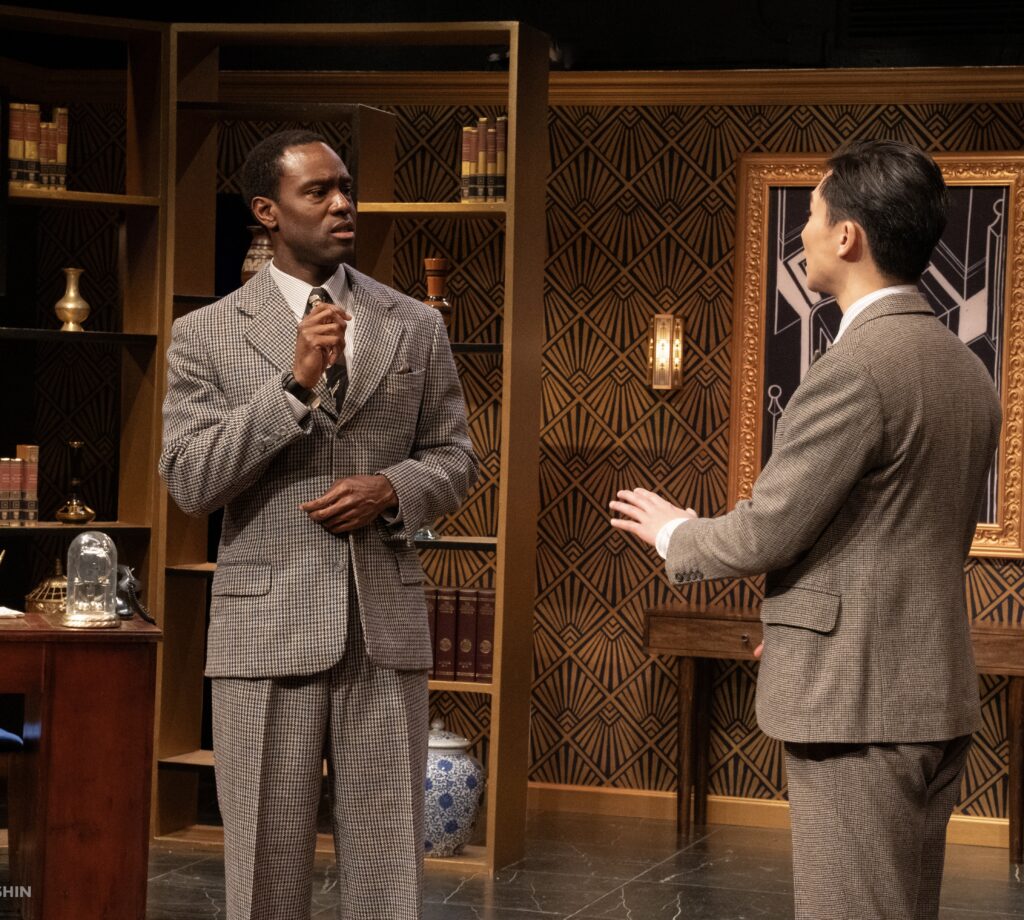
A detour that mattered more than I could have ever known is getting into NYU as opposed to Juilliard or Yale. The teachers at NYU are exactly who I needed at this stage of my artistry and career. I don’t think there’s a faculty and curriculum better than the one at NYU Grad Acting, for me at least.
How do you describe the Paul & Daisy Soros Fellowships for New Americans to someone who hasn’t heard of it?
It’s a scholarship for grad school that offers 90K in funding. All you have to do is go to a conference once a year where you spend time with your cohort and meet some really impressive people in their fields.
Is there a moment from the past two years—a conversation, an event, a realization—that has stayed with you?
I loved going to the Broadway shows during my time in the PD Soros Fellowship. That Alicia Keys musical [Hell’s Kitchen] was fantastic.
What’s a friendship or connection from the Fellowship that has meant something to you?
I met Ruva Chigwedere which is great. A fellow African and a fellow actor. Loved being co-inaugural actors in the fellowship with her.
What’s next for you? What are you working toward in the next few years?
I’m working on a one man show. I’m finishing up my third year in grad school.
What does success look like to you—in your work, and more broadly?
Success looks like I’m doing work that aligns with my beliefs. Work that challenges power and questions our place in the world. More broadly it looks like I am working in theater, television and film, and I have my own shows in development, and I am developing programs to help young artists and mid-career artists. Anything less than this isn’t failure but it’ll be a step towards success.
Is there a problem in the world you most want to contribute to solving? What gives you hope that it’s solvable?
The problem in my world I most want to contribute to solving is supporting the arts wherever I am. Creating more pathways for Black boys who want to act, sing, dance, whatever. In Sierra Leone and in America. The other problem I’d like to help solve is providing space for writers to write. There just aren’t enough opportunities that give folks the space and time to treat writing like a job with its own specific conditions that make for new and brilliant ideas. All the writing jobs are on deadline in the middle of fast-paced cities where the writer’s mind doesn’t ever get to wander into something new. Over the years I want to create opportunities for people to access that time and space to write.
What would you want a newly selected PD Soros Fellow to know going into the Fellowship?
Be open to making connections with people in other fields of study. You never know where a new friendship or connection could develop. Also be really nice to all the people who make the Fellowship run. They genuinely want to help you as best as they can and they are awesome. Get to know them.
What advice would you give to an applicant who is on the fence about applying?
Whatever you’re on the fence about your scholarship office might be able to help. Reach out to your scholarship office or prior PD Soros Fellows and seek advice. Give yourself a shot.
Keep Exploring
-
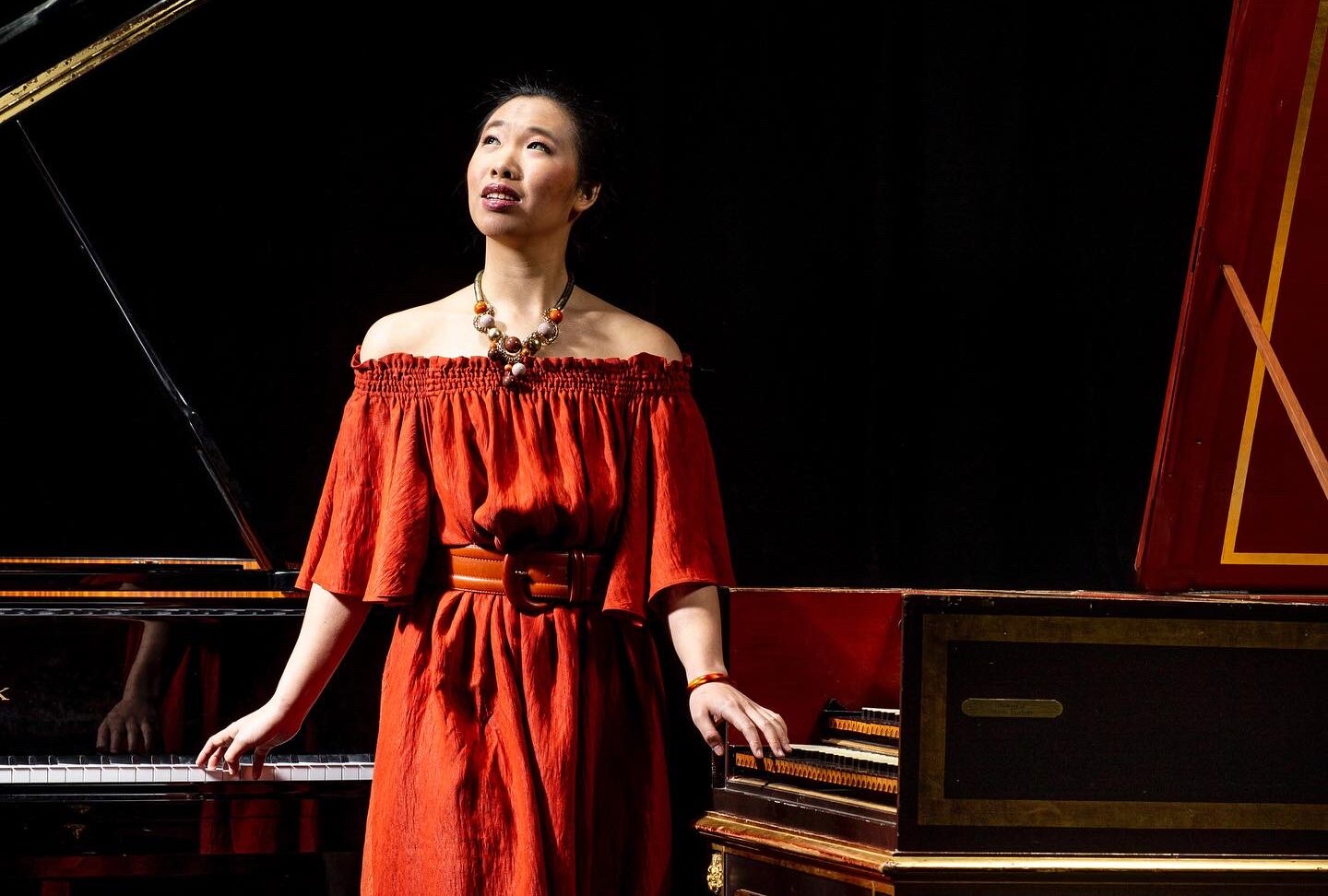 Read more: PD Soros Fellow Hilda Huang: A Voice Across Centuries
- Fellow Highlights
PD Soros Fellow Hilda Huang: A Voice Across Centuries
-
 Read more: Musicians: Applying for the PD Soros Fellowship
- Applicant Information
- Fellow Highlights
- Music
Musicians: Applying for the PD Soros Fellowship
-
 Read more: Writers: Applying for the PD Soros Fellowship
- Applicant Information
Writers: Applying for the PD Soros Fellowship
-
 Read more: Q&A: JD Student Ananya Agustin Malhotra Looks Back At The Fellowship
- Fellow Highlights
Q&A: JD Student Ananya Agustin Malhotra Looks Back At The Fellowship