- Fellow Highlights
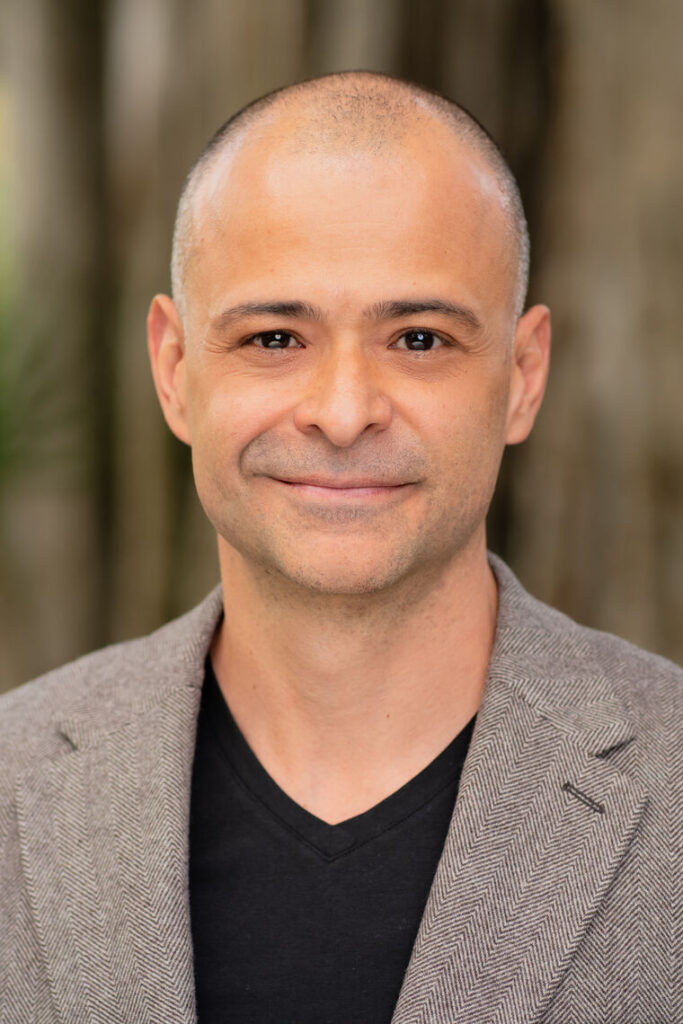
Social Entrepreneur Andres Idarraga: Founder of Creci & Mentel
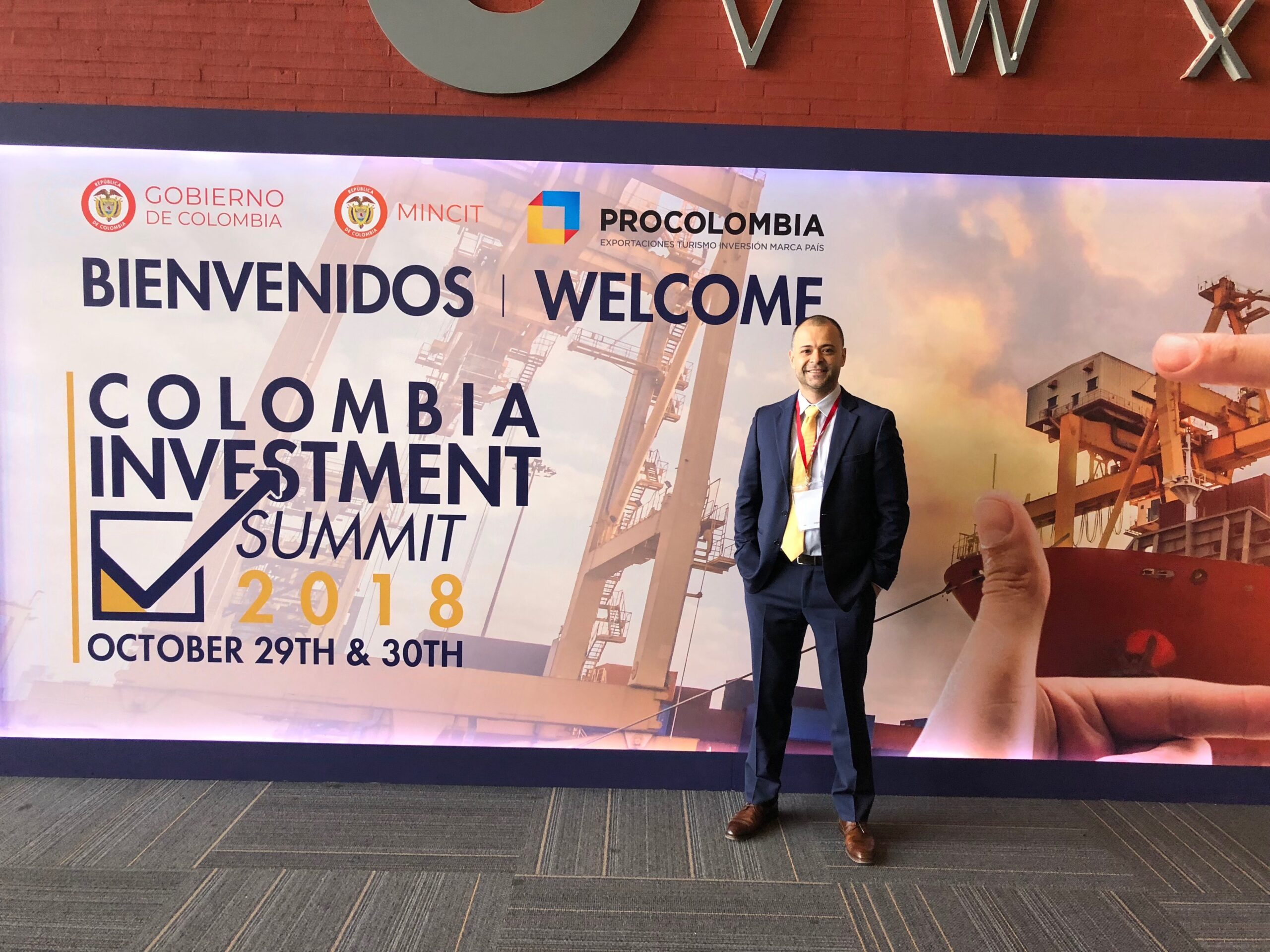
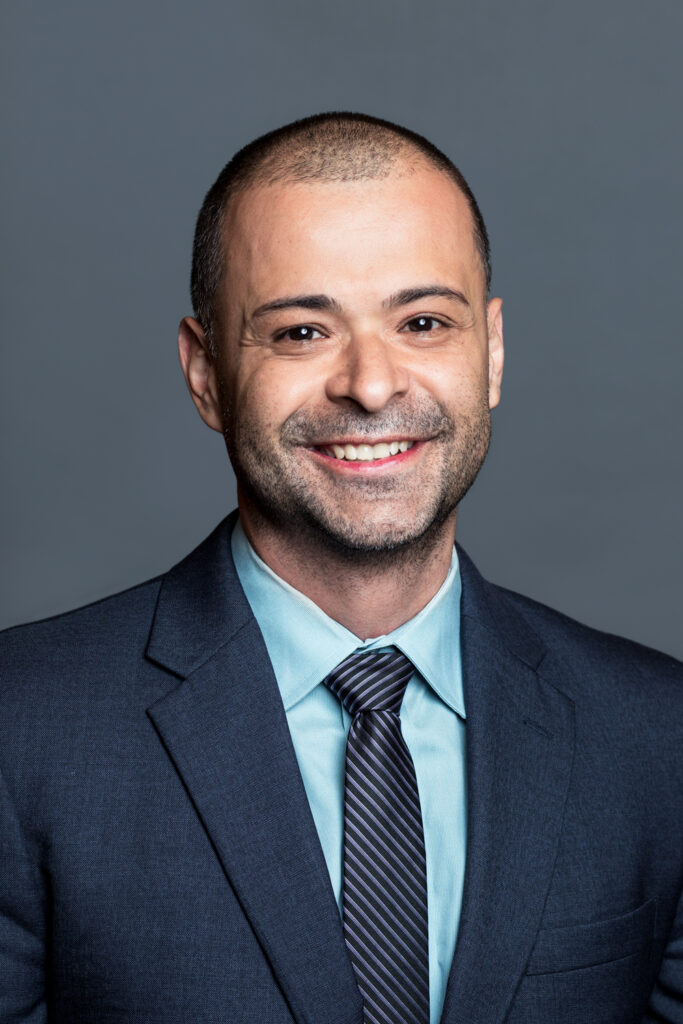
While 2009 Paul & Daisy Soros Fellow Andres Idarraga was incarcerated for six and a half years, he spent a great deal of time reading. Books gave him entry into the lives of figures like Nelson Mandela and Thurgood Marshall who inspired him, and in turn, allowed him to imagine a future for himself beyond prison.
Working in the prison’s library, Andres developed a passion for the law and economic development. An immigrant from Colombia, Andres dreamt of going to college and giving back to society.
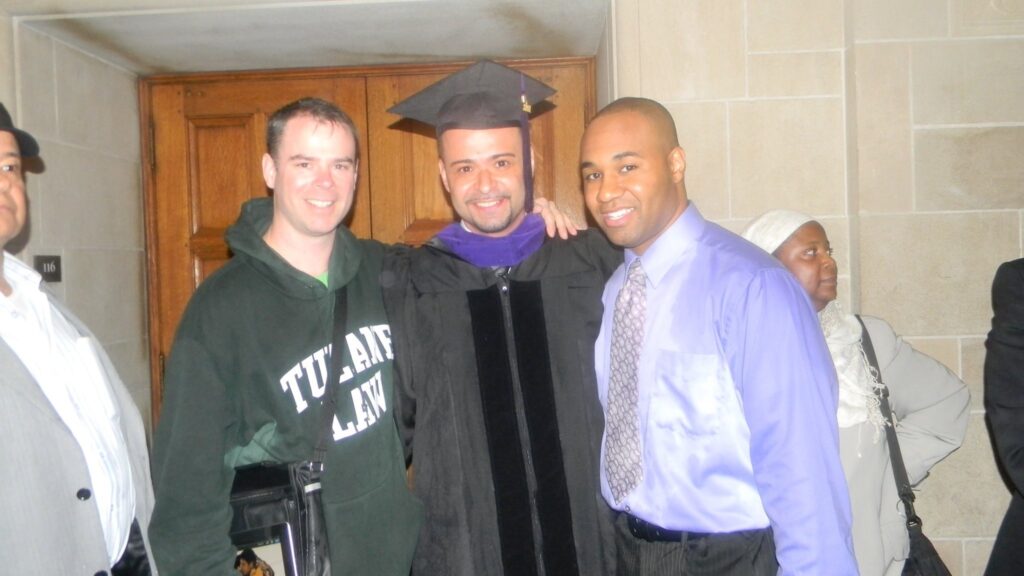
He was released early on parole after receiving admission to the University of Rhode Island in June of 2004. One year later, he transferred to Brown University, where he majored in economics and comparative literature. At the age of 30, he started Yale Law School. He interned with the ACLU, Florida Legal Services, and the United States House of Representatives. After graduating, he landed a job as an associate at Boies, Schiller & Flexner where he spent five years.
Now, 15 years out of prison, Andres has fulfilled his dreams and is following his passion.
Founding Creci & Mentel
Andres is now transitioning out of his role as general counsel and chief operating officer at FlexFunds, a company based in Miami, so that he can focus his own two socially-minded companies, Creci and Mentel. Both companies are focused on South and Latin America and are beginning work in Colombia, where Andres’s family is from.
Andres’s excitement for Creci’s work in Latin America is tangible. He cites loans to one company that is repurposing old shipping containers into, among other things, homes and mobile hospitals, and loans to another that is cleaning up urban areas and developing green spaces.
Mentel is a social impact venture capital firm that makes equity investments in companies that benefit the social fabric of their communities and regions. The name Mentel derives from mente or the “mind” in Spanish. “It’s a reminder to really think about what you’re doing,” Andres noted. They currently have investments in post-conflict areas of Colombia.
With teams on the ground in Colombia, Andres believes Creci and Mentel can identify the best social entrepreneurs and provide them with capital that’s currently hard to come by. They are also working with incubators and accelerators like Impact Hub in Bogota and Ruta N throughout Colombia. Creci’s and Mentel’s investment models are based on the UN Sustainable Goal and the IRIS frameworks, the latter developed by the Global Impact Investing Network (GIIN), which is led by 2006 Paul & Daisy Soros Fellow Amit Bouri.
“I want to show private capital that there is a sufficient turn that would make it worthwhile for them to really be on the lookout for great projects they might not otherwise look to. Once you show private capital that these projects can have a good return then they will look for them,” Andres explained.
Andres is pursuing an executive MBA at Kellogg School of Management, but his work at FlexFunds gave him a true startup education. He joined when the company was just seven people. He’s leaving it with 60.
Andres was not looking to leave his job at FlexFunds, but when the national United States political landscape changed, becoming more hostile to immigrants, he felt compelled to start giving back in a bigger way. His goal is to play a role in the sustainable development of South and Latin American countries.
“All of the streams of my life came together—if I could play a role in raising money for projects that support economic development then I wanted to give it a shot,” Andres said.
Educational Transformation
Andres can still clearly recall reading an article in prison about a man who grew up in tough circumstances in Rhode Island, like Andres had, but who went to community college, the University of Rhode Island and then onto Wall Street. Eventually, the man came to realize that his job wasn’t meaningful to him. He pursued a degree at Harvard Law School and returned to Rhode Island where he became a professor and served low-income individuals. Inspired, Andres cut the article out of the paper and put it in his scrapbook. That man, Jorge Elorza, became a mentor to Andres and the mayor of Providence in 2015.
“There I was taking community college classes and thinking to myself maybe I too could do well enough to pursue elite levels of higher education one day,” Andres said as he reflected on the impact Jorge had made on his life. “Sure enough, little by little, it got me there. He really provided a road map for me. He became a mentor to me and when I was in law school he would buy my law books for me.”
That experience was part of the reason why Andres cofounded the nonprofit Transcending Through Education Foundation, which supports and provides educational resources to incarcerated individuals on their paths to higher education.
Asked if the person he was in prison could ever believe where he is today, Andres responded, “I had no clue. I had a vague sense that education could be transformative but like most people in distressed circumstances, it’s not tangible enough because it becomes like an often-repeated mantra that transforms into a myth. In our communities you rarely see the success. Everyone says that education can get you somewhere, but you look around and you don’t see anyone who has done it. When I was cutting those articles out, I was trying to will it into my reality, but not necessarily knowing if it could happen—not knowing if it really was tangible. I just wanted to provide goals for myself so that every day I could get up and aim towards something that was bigger than my circumstances—but not knowing if I could get there. So, looking back at that person coming out, I think vaguely he thought it was possible but if it didn’t materialize it wouldn’t have surprised him either because he never saw what success looked like. I dearly wanted it to be possible, and I dearly want to make it possible for other people.”
Andres’s Immigration Story
When asked about what inspires him, Andres sites the life and words of Paul Soros, “I was lucky to survive. The rest was relatively easy.”
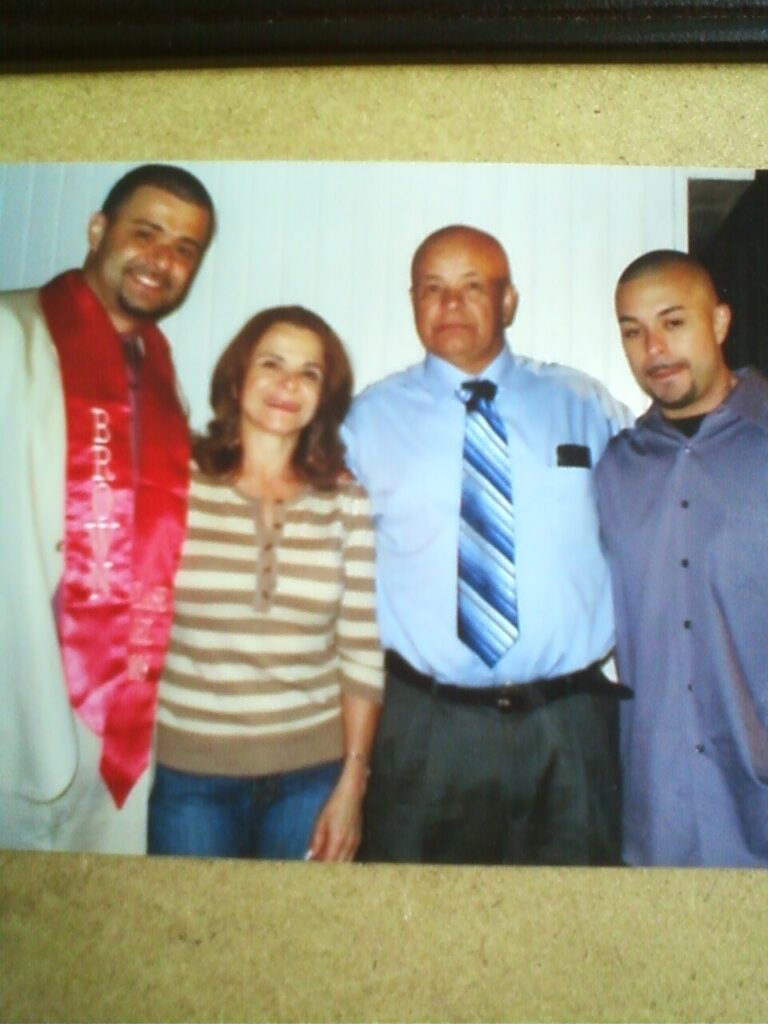
Andres’s parents grew up in Cocorná and Salto Abajo, small towns outside of Medellín that were hard hit by Colombia’s civil war.
After graduating from a rural high school, his mother started teaching in Marinilla, which is where she met Andres’s father, who had moved there for work as well. In the late 1970s, Andres’s father immigrated to the US and settled in Pawtucket, Rhode Island where there was a large Colombian population.
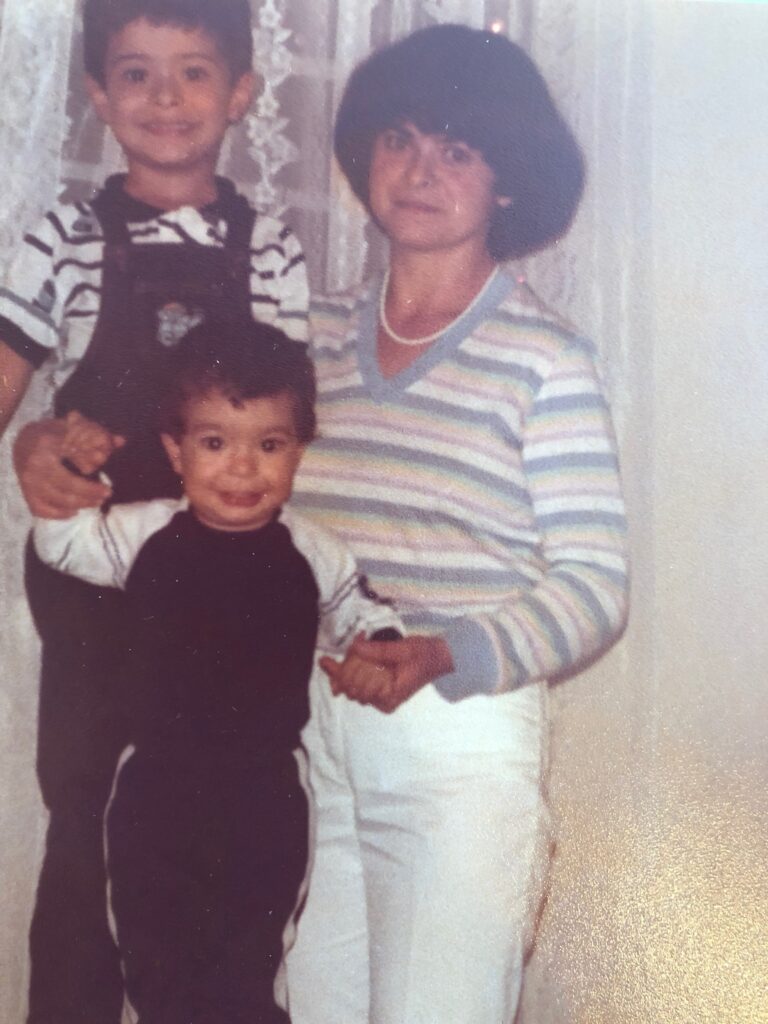
Years later, under the Ronald Reagan administration, his father was legalized. In 1983, when Andres was six, Andres’s father returned to Colombia to retrieve him, his younger brother and their mother, who all came to the US with resident cards and became citizens several years later.
Andres’s younger brother joined the National Guard after high school. He had promised his mother before she passed away that he would pursue college, and the following year he started at Miami-Dade Community College in Florida. He later transferred to and graduated from Columbia University. Now, he works at FlexFunds.
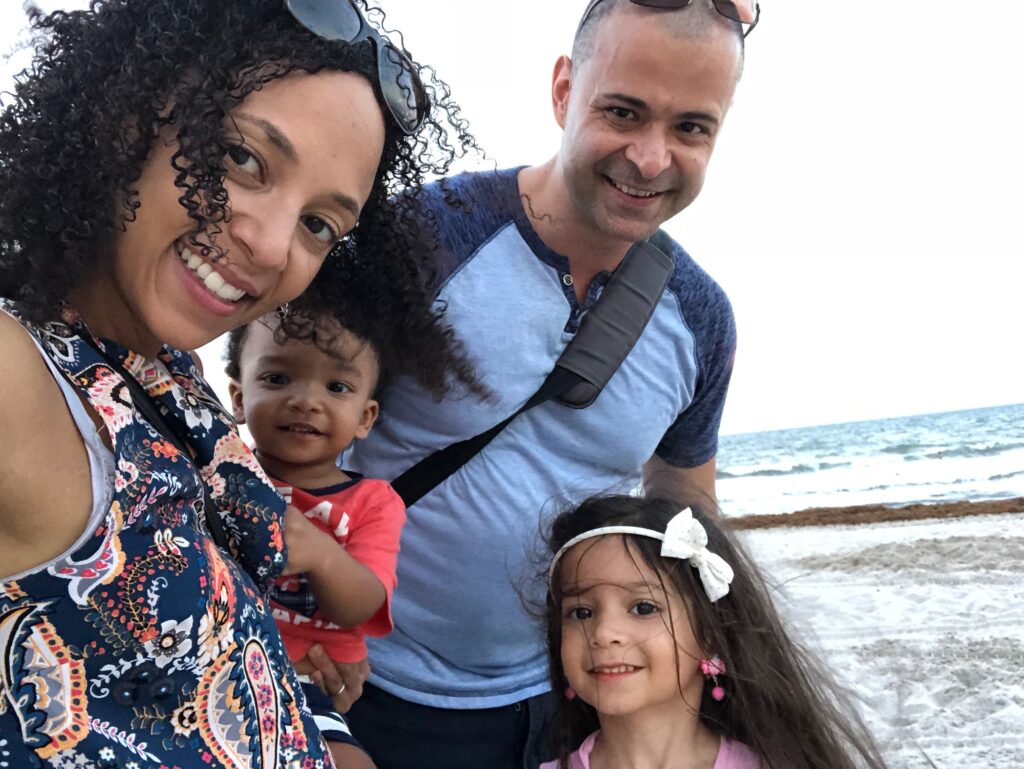
Today, Andres lives in South Florida with his wife and their two young children, a five-year-old girl and a two-year-old boy.
“I feel, in large part, the same way that Paul Soros felt,” Andres explained. “I feel lucky to have survived and the rest has been easy. I feel lucky to be able to give back.” ∎
Keep Exploring
-
 Read more: PD Soros Fellow Hilda Huang: A Voice Across Centuries
- Fellow Highlights
PD Soros Fellow Hilda Huang: A Voice Across Centuries
-
 Read more: Musicians: Applying for the PD Soros Fellowship
- Applicant Information
- Fellow Highlights
- Music
Musicians: Applying for the PD Soros Fellowship
-
 Read more: Writers: Applying for the PD Soros Fellowship
- Applicant Information
Writers: Applying for the PD Soros Fellowship
-
 Read more: Q&A: JD Student Ananya Agustin Malhotra Looks Back At The Fellowship
- Fellow Highlights
Q&A: JD Student Ananya Agustin Malhotra Looks Back At The Fellowship