- Fellow Highlights
Steven Tagle: How I’m Shaping Culture
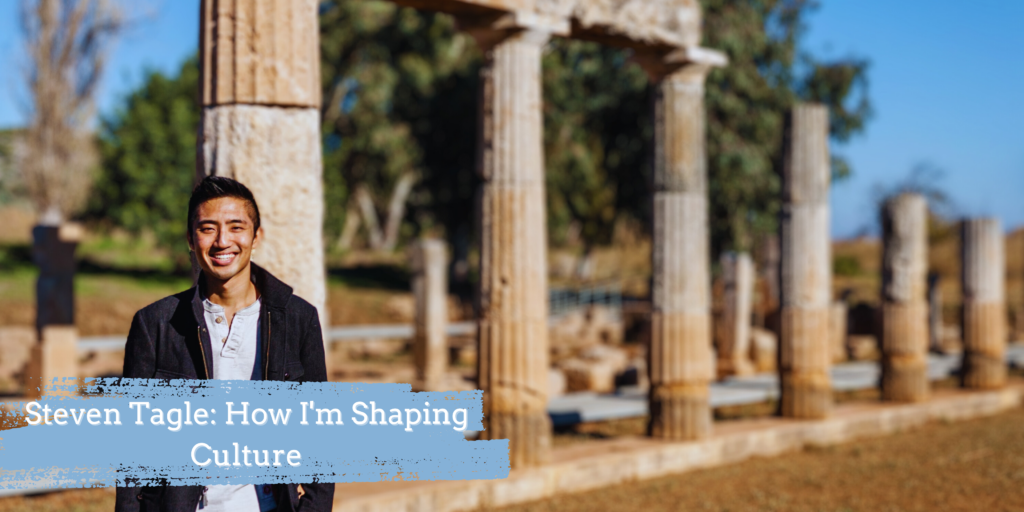
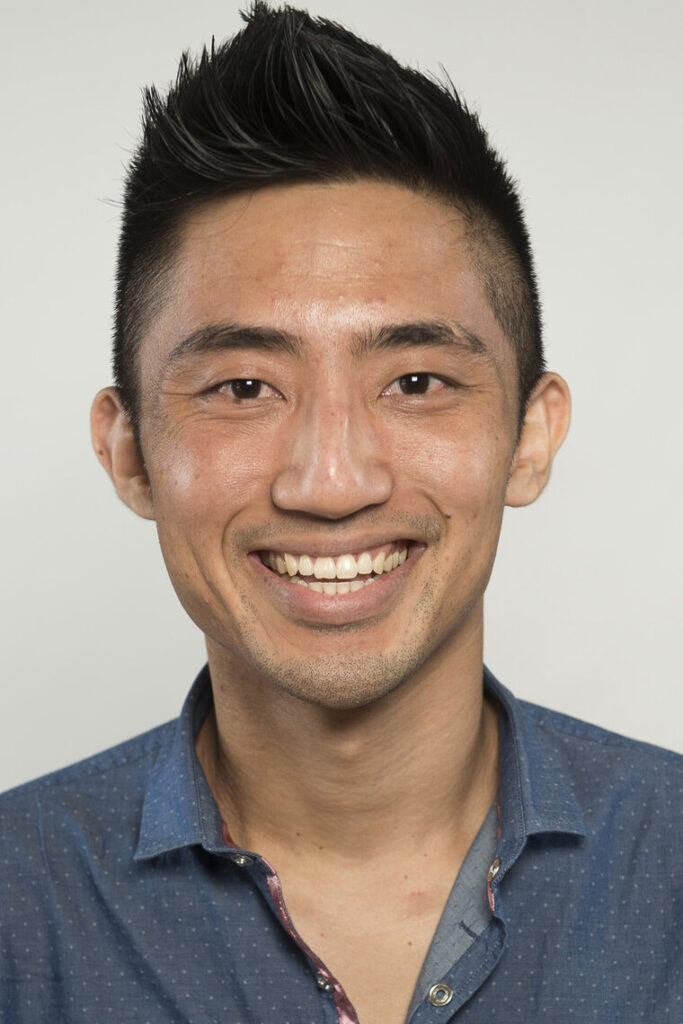
2013 Paul & Daisy Soros Fellow and writer and photographer Steven Tagle is the inaugural Stavros Niarchos Foundation Fellow for the Institute of Current World Affairs and has spent the past two years living in and writing about Greece’s border regions, geopolitics, history, and culture.
Steven was born in California, the son of Filipino immigrants. As an adolescent, he feared that being gay would bring shame to his family, so he threw himself into becoming the stereotype of the Asian overachiever: National Merit Scholar, newspaper editor, literary magazine editor in chief. As a Stanford undergraduate, Steven produced narrative short films that won screenings at numerous film festivals. He was the first male undergraduate to enroll in the honors program in feminist studies at Stanford, where he wrote his first novel, a revision of the superhero origin story. He graduated with a bachelor’s degree in English and psychology.
After receiving his MFA from the University of Massachusetts Amherst, Steven moved to Greece on a Fulbright Fellowship to study Greek mythology. He served as the speechwriter for the US Embassy in Athens and worked for a number of Greek organizations including the Stavros Niarchos Foundation-funded “New Agriculture for a New Generation” program, Anatolia College, and Aristotle University of Thessaloniki.
We asked Steven how he is shaping culture:
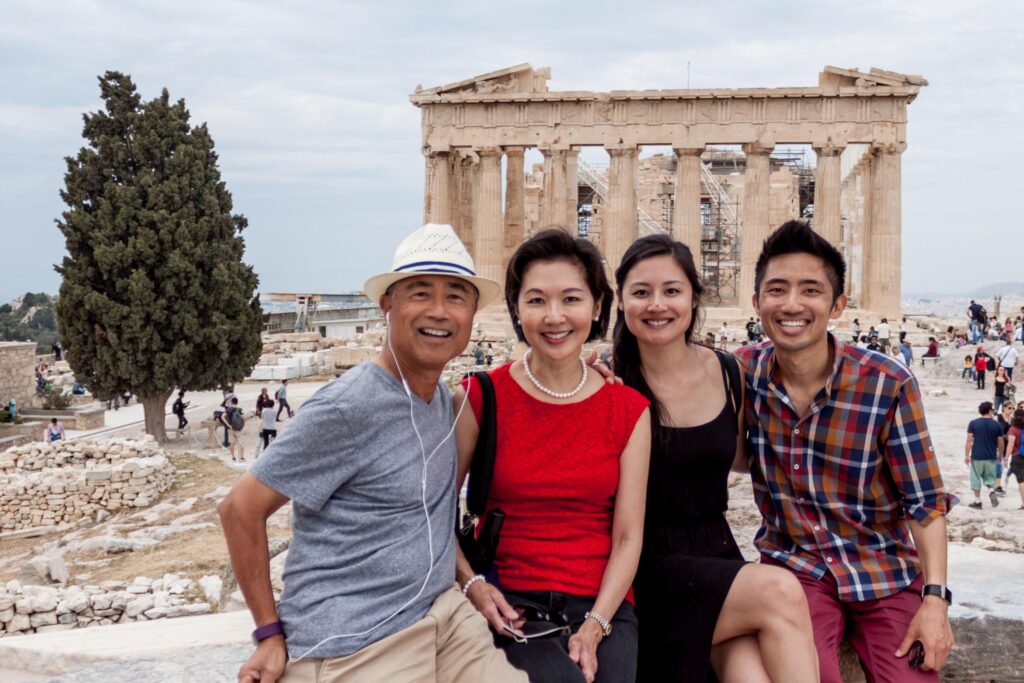
2013 Paul and Daisy Soros Fellow Steven Tagle with his family at the Acropolis in Athens.
Photo Credit: Steven Tagle 2013
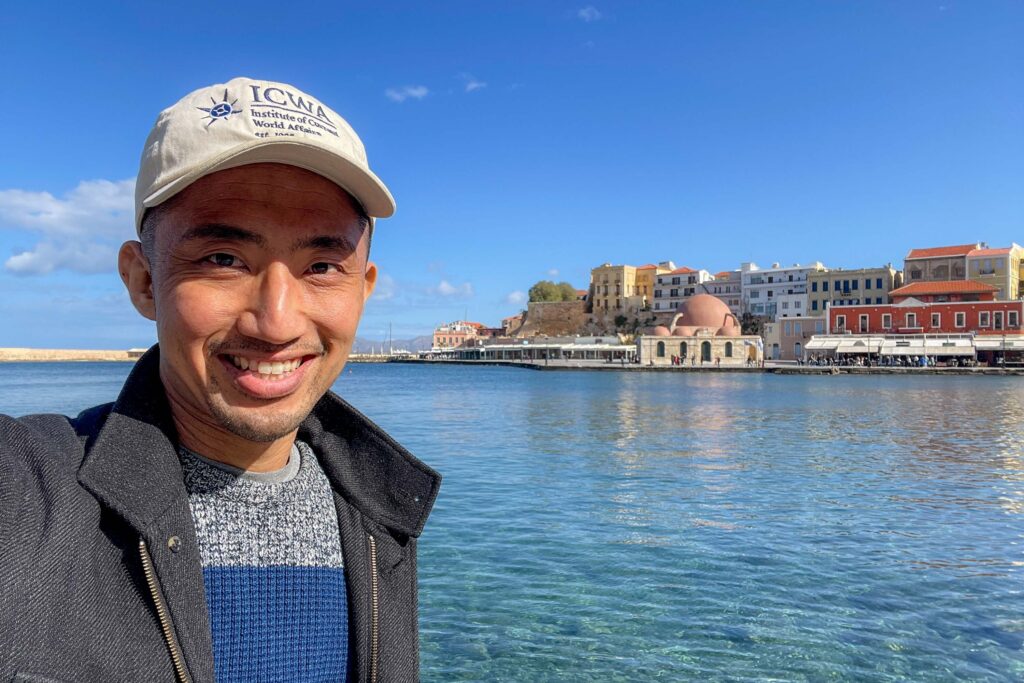
Photo Credit: Steven Tagle 2013
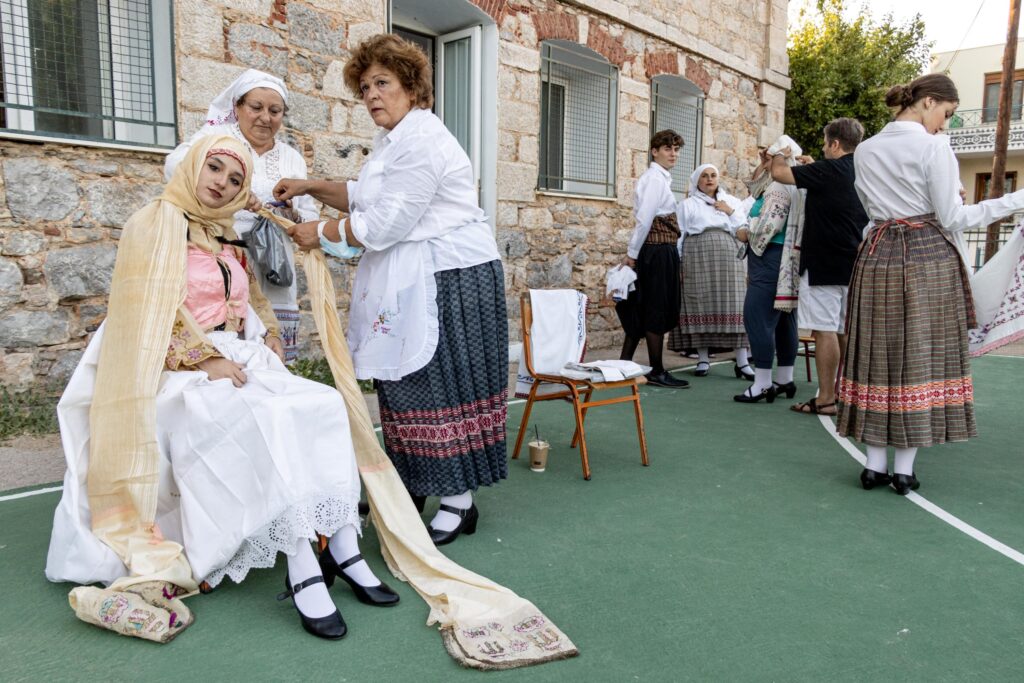
Photo Credit: Steven Tagle 2013
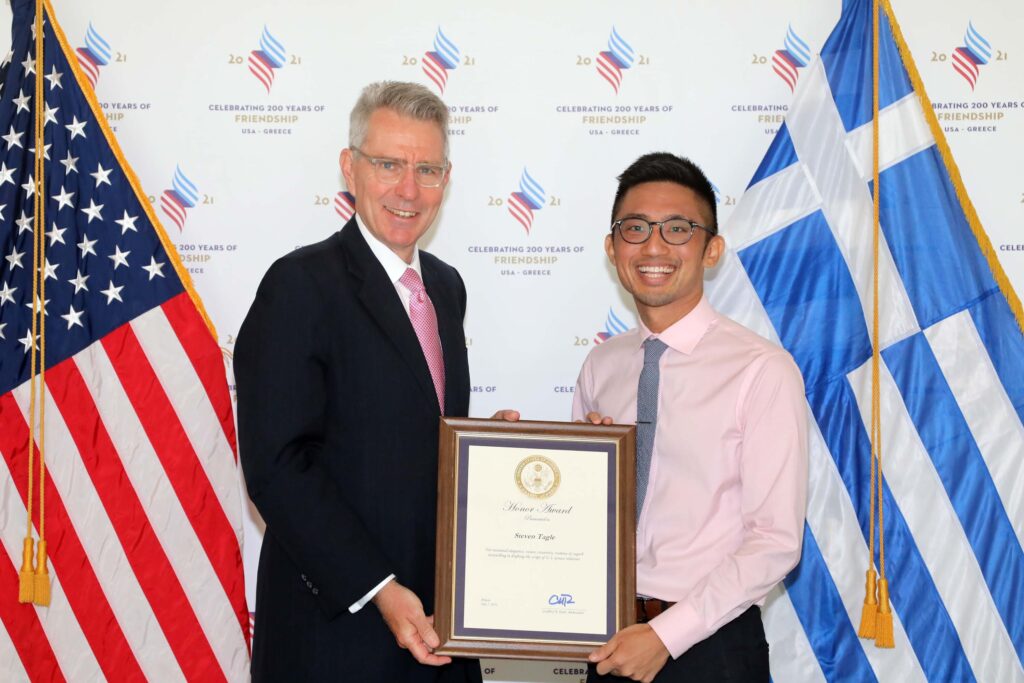
Photo Credit: State Department
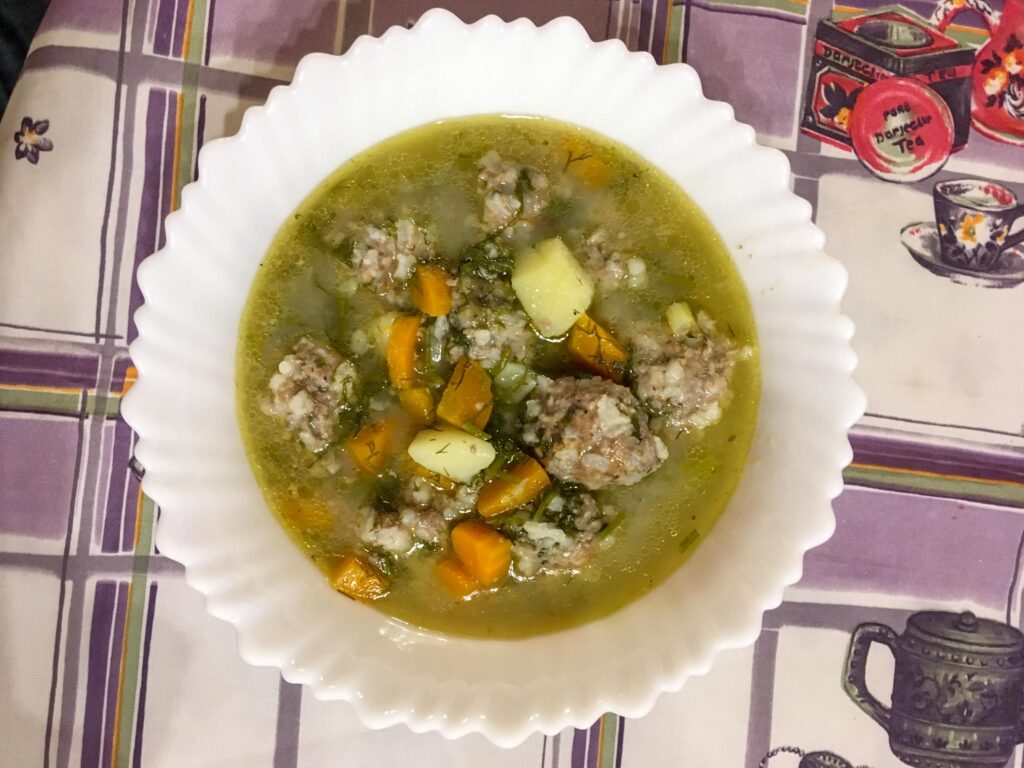
Photo Credit: Steven Tagle 2013
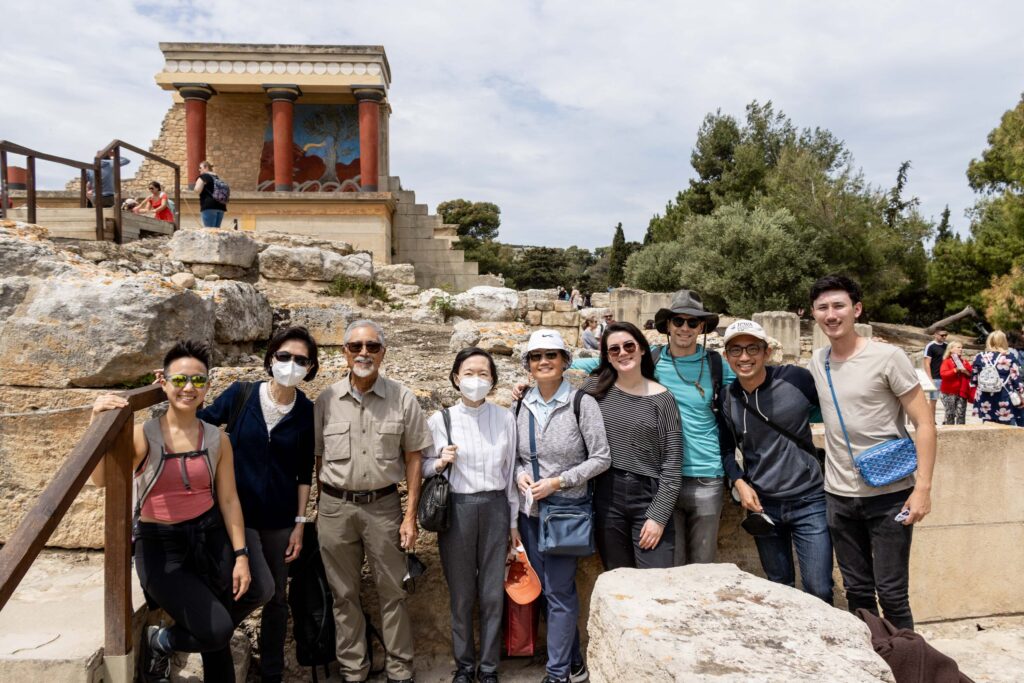
Photo Credit: Steven Tagle 2013
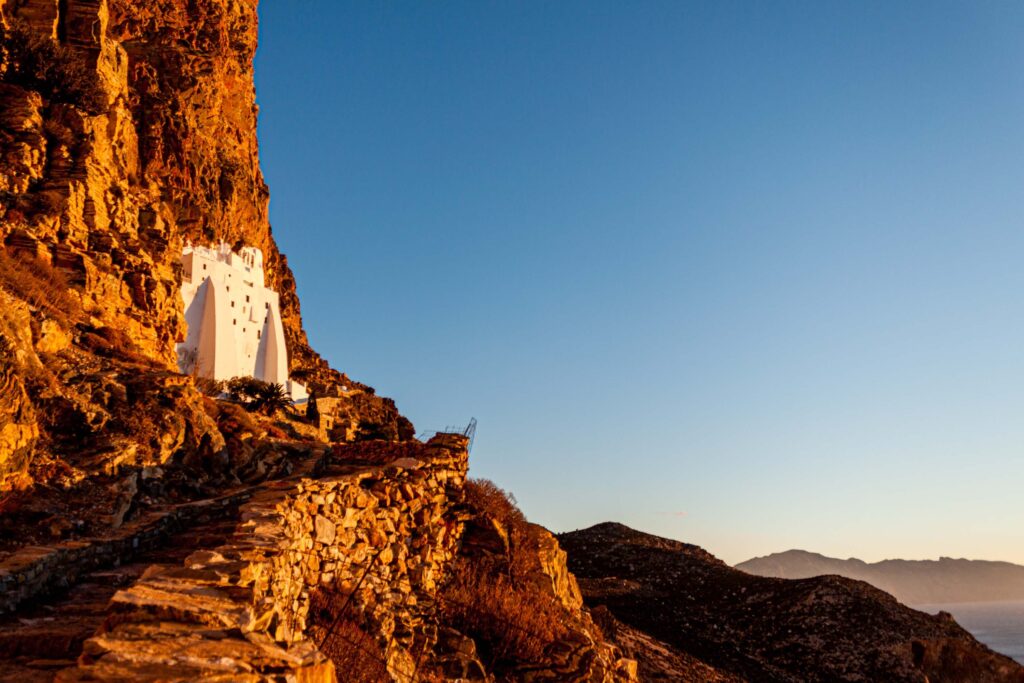
Photo Credit: Steven Tagle 2013
You have been living and working in Greece for eight years now. As a writer, what do you hope readers around the world have learned from your work?
For me, living in a new country has been a process of learning to read that country, both literally learning the language but also metaphorically absorbing its history, landscapes, and culture. I was drawn to Greece by its ancient mythology but soon grew to love its animated, warm-hearted people, its delicious seasonal cuisine, and the stories buried under every stone. I’ve dug deep into Greek traditions and current affairs and have explored nearly every part of the country. So I hope my work helps readers experience a lesser known side of Greece and access elements of Greek life they wouldn’t have been able to otherwise.
You’ve been writing about Greek border zones, can you tell us more about them and their role in the region?
As the inaugural Stavros Niarchos Foundation Fellow for the Institute of Current World Affairs, I’ve spent the past two years living in and writing about three of Greece’s border zones: the region of Evros in northeastern Greece, the northeastern Aegean island of Chios, and the southern island of Crete. What I’ve learned is that the most important geopolitical developments in the country are happening not in Greece’s capital but on its periphery. New investments I’ve witnessed in defense and energy as well as changing local attitudes toward migration and border security have far-reaching consequences for both Europe and the transatlantic alliance. By taking advantage of its crucial position in the evolving energy and security landscape, Greece has an opportunity to contribute to stability in the region and build on its historical role as Europe’s gateway to the East.
Are there lessons on immigration that you think the United States could learn from Greece or vice versa?
Greeks have a long history of migration, whether it’s to escape war and famine or to pursue economic and educational opportunities during a decade-long financial crisis. You can find them almost anywhere in the world, and wherever they’ve gone, they’ve succeeded, contributing richly to their adopted homelands. Greek Americans are widely considered Greece’s most influential diaspora community, and they’ve been pioneers in the fields of medicine, technology, finance, media, and sports, among others. They’re also very proud of their heritage and culture. I think they’re a shining example of how much the US gains from its immigrant communities.
How do you balance a career as a fiction and non-fiction writer as well as a photographer?
For me, writing and photography go hand in hand. I often take photos while I’m out exploring, and these enrich scenes I later describe in my work. I have thousands of photos on my hard drive taken from remote corners of Greece, and they help to reawaken my memories when I write. I also tend to write cinematically, staging scenes as if they were unrolling on film. For the past several years, I’ve mostly written non-fiction pieces, but I’ve recently started to feel that I know Greece well enough to begin writing about the country in fiction.
When you think of your full body of writing, what are you most proud of?
The piece of writing I’m most proud of is the first long essay I composed directly in Greek, called “Κοιτάζοντας Πίσω: Σημειώσεις,” or “Notes on Looking Back.” The essay is about my experience learning Greek and the inner transformation I felt writing in Greek instead of English. It took me a year to write and was in many ways my baptism into the language.I was delighted when Nea Hestia, one of Greece’s oldest literary journals, published it in 2019. You can read an English translation in The Common.
You originally went to Greece on a Fulbright—how did you know you wanted to stay?
It was a gut feeling more than anything. After my Fulbright, I moved back to New York for six months to finish a fellowship with the Asian American Writers’ Workshop, and the whole time, I was missing the Greek climate, food, and temperament, trying to find a way back. I was living in Astoria at the time, studying Greek, reading in Greek, and writing about Greece, so in a way, it was like I’d never left. But that longing was so powerful, it convinced me to return to Greece the day I finished my fellowship, even though I wasn’t sure what I’d do once I got there.
How has your MFA in creative writing and fiction shaped your career as a writer?
During my MFA program at the University of Massachusetts Amherst, I began writing stories that merged Greek myths with elements of personal history. That project sparked the idea to apply for a Fulbright to conduct research in Greece. Later, what I learned from my MFA about voice, structure, and scene-setting enabled me to channel the ambassador’s voice as speechwriter for the US Embassy in Athens. I used the editorial experience I gained while remixing talking points to craft new speeches. And a sense of curiosity, attention to detail, and an ability to identify compelling characters helped me report on Greece’s border zones as an ICWA fellow.
As the child of immigrants from the Philippines who was raised in California, what is it like living in a totally new country? Has being the child of immigrants changed the way you think about your parents’ journey to the United States or given you new perspective on their lives as immigrants?
Adjusting to life in Greece gave me a new appreciation for what my parents went through when they moved to the US (my dad at 10, my mom for college) and decided to become naturalized citizens. Now I can more fully understand the sacrifices involved in leaving friends and family in the Philippines and the difficulties of reeducating oneself in a whole new system of being, especially when you are always seen as a foreigner. To assimilate into a new culture is no easy task, and life in the States generally does not prepare you to step outside the American cultural bubble. But I’m proud of the history of family migration that has brought me here: my great grandfather’s journey from Fukien province in China to the Philippines, my parents’ migration from the Philippines to the US, and the personal passions that led me to Greece. Indeed, I’m going through the process again now that I’ve moved from Greece to Switzerland to live with my husband. As a boy, I never dreamed I’d one day say “I do” in German to a man from Greece!
We love following your travels around Greece. What are your top recommendations for Americans traveling to Greece?
Living in Greece has taught me that the country has breathtaking experiences to offer year-round and also that there’s much more to see than just the islands. I encourage Americans traveling to Greece to spend a couple days in Athens to soak up its chaos and creativity. The city’s food and art scenes are phenomenal. Secondly, I recommend concentrating on a single island or region rather than bouncing around too much. This gives you time to adjust to the luxuries of Greek life, get to know some of the locals, count your swims, and wander off the beaten path. The Greece Is website is a great resource for travelers.
You love Greek food—what’s your favorite dish?
I’m a big fan of soups, so one of my favorite winter dishes is giouverlakia, or Greek meatball soup. This is a real comfort food: hearty, aromatic meatballs made of beef and rice in a hearty egg lemon soup. My friend’s mother makes an incredible version of this dish.
Finally, what’s one piece of advice you’d give to New Americans who are pursuing careers in writing?
One piece of advice a mentor in college gave me was that writing is a marathon, not a sprint. You want to create writing habits that you can sustain and that will sustain you for the long haul. Often, one feels pressure to produce work as quickly as possible, but be patient, be kind to yourself, read as much as you can, and support your fellow writers. In the end, you’re only competing with yourself, trying to tell your stories in the best way you can. ■
Keep Exploring
-
 Read more: PD Soros Fellow Hilda Huang: A Voice Across Centuries
- Fellow Highlights
PD Soros Fellow Hilda Huang: A Voice Across Centuries
-
 Read more: Musicians: Applying for the PD Soros Fellowship
- Applicant Information
- Fellow Highlights
- Music
Musicians: Applying for the PD Soros Fellowship
-
 Read more: Writers: Applying for the PD Soros Fellowship
- Applicant Information
Writers: Applying for the PD Soros Fellowship
-
 Read more: Q&A: JD Student Ananya Agustin Malhotra Looks Back At The Fellowship
- Fellow Highlights
Q&A: JD Student Ananya Agustin Malhotra Looks Back At The Fellowship