- Fellow Highlights
Not On My Resume: Lucy Ogbu-Nwobodo
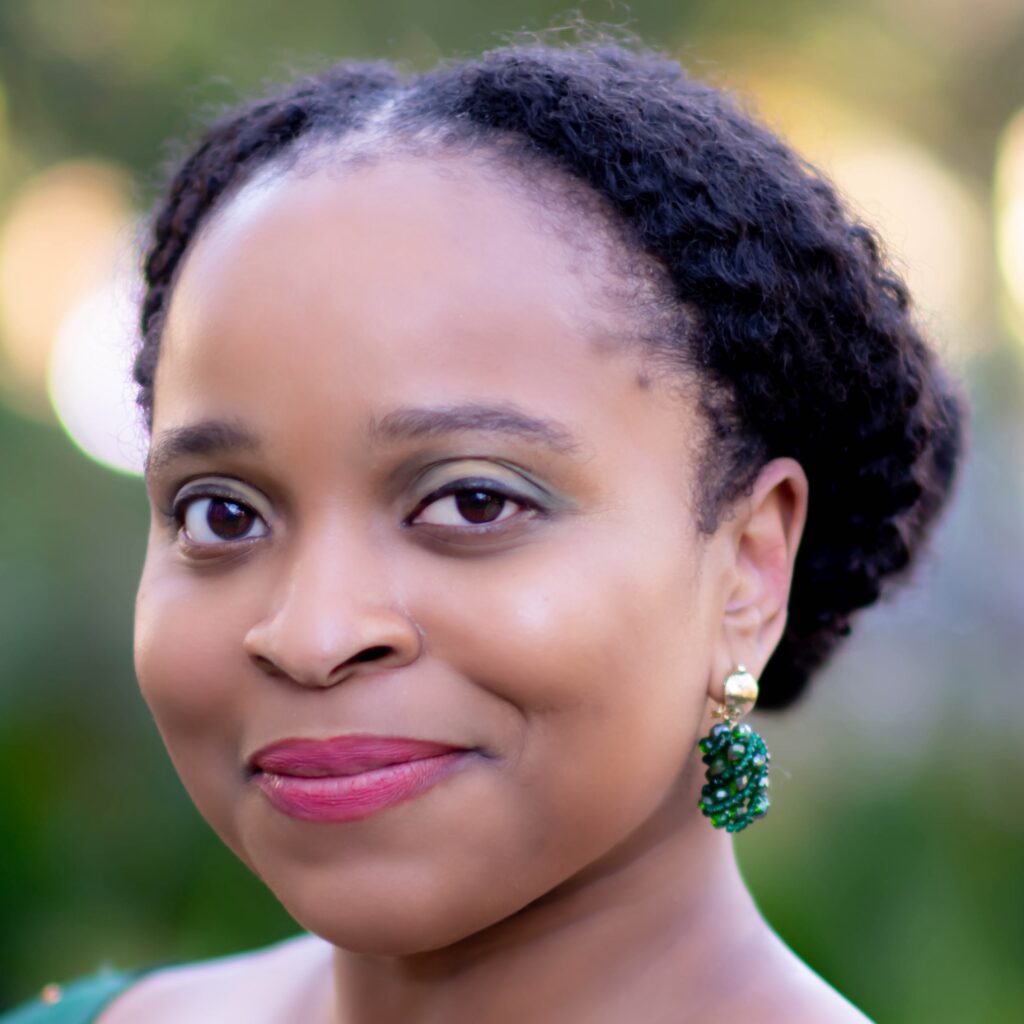
Lucy Ogbu-Nwobodo is a psychiatrist, professor, and administrator at UCSF where she is the director of the UCSF Public Psychiatry Fellowship. She is the founder and CEO of Health Equity Leadership Academy, Inc. A 2015 Paul & Daisy Soros Fellow, Lucy was born in Nigeria and grew up in Oakland, California.
Why did you (or your family) come to America? As a young child arriving here to America at the age of 11, I don’t think at the time I consciously reflected (or played an active role) on the reasons why I was brought here to America. Nevertheless, I’ve realized over time that the decision to bring me here likely had less to do with a specific focus on me, and more on the ways in which my presence could support my guardians. Despite the years of challenges I faced as a result, I am grateful for the opportunities that being in America has given me, and my immigrant journey has informed my life’s purpose, with a deep commitment to public service and dedication towards helping positively shape this country that we all hold so dearly—and thus must push towards realizing its noble ideals that all people are created equal and deserve the universal rights to life, liberty, and the pursuit of happiness.
Which living New American do you most admire? My brother Afam—he came here without anything, struggled for many years as a poor immigrant from Africa, and for some time, with a tenuous immigration status. At times he worked 4-5 menial jobs at a time, barely sleeping, going from one to the other. I worried about him but since then, he’s become a respected registered nurse. As a child in Nigeria, I looked up to him, and now as adults in the US, he has continued to be one of my favorite people. I am very proud of him.
What is your current state of mind? Slightly frenetic. I can’t be the only one in 2024 feeling that way? Am I?
When was the last time you felt imposter syndrome? In recent years, I’ve really interrogated the entire concept with a greater appreciation that many of the challenges described by imposter syndrome are a reflection of structural barriers and exclusive practices and norms. How can one not feel like they don’t belong, when they’re being constantly made to feel that way, by the explicit, implicit, and less than inclusive ways many systems and institutions are designed?
What is your greatest fear? My mother has lived a really hard life. I’ve always feared not being able to give her a better life than the one she has had to face in the first seven decades of her life; I want to be able to provide some version of stability, or even joy.
If you could change careers and do anything, what would it be? I think I would focus fully on teaching. Young people bring such wonderful and fresh perspectives and brilliance to the world, and I am in many ways inspired by their indignance against injustice and adverse social norms. I always say this, but “the youth will save us all.”
What is your idea of a good life? A good life to me is one that is healthy—mentally, spiritually and physically—with meaningful time spent with loved ones, and if one is blessed, anchored to a sense of purpose and meaning that drives your pursuits. I believe a good life should also reflect one’s ability to actualize their core values in how they live their life, and the strength and grace to handle the inevitable challenges that we will face, for this privilege of being alive.
What is the one habit that you can’t live without? Running. Recently I was dealing with unexplained leg pain and weakness, and it was very scary for me, because for some time, I couldn’t run, and it made me really appreciate the gift of movement in my life, and a more graceful stance with each step I take.
What one piece of advice do you live by? Never give up. There’s been so many times in my life, where things seemed very bleak and I couldn’t imagine a way out of some seemingly insurmountable obstacles, and somehow through it all, I held on and never gave up. I should note of course, that the ability to hold on and not give up, did not always come from solely some intrinsic strength and power, but a combination of the grace and kindness of others, bolstering that internal will. If you never give up on yourself, there’s always hope.
Who or what makes your heart beat faster when you think about them? My new husband James: I recently got married to my best friend of 15 years—it’s surreal that after so many years of deep platonic friendship and familial love, that we are in this sacred, beautiful union. I feel truly blessed and humbled by this special love.
This interview was originally published in the February, 2024 issue of The Paul & Daisy Soros Fellowships’ monthly Distance Traveled newsletter. Sign up to receive the latest issue here. ∎
Keep Exploring
-
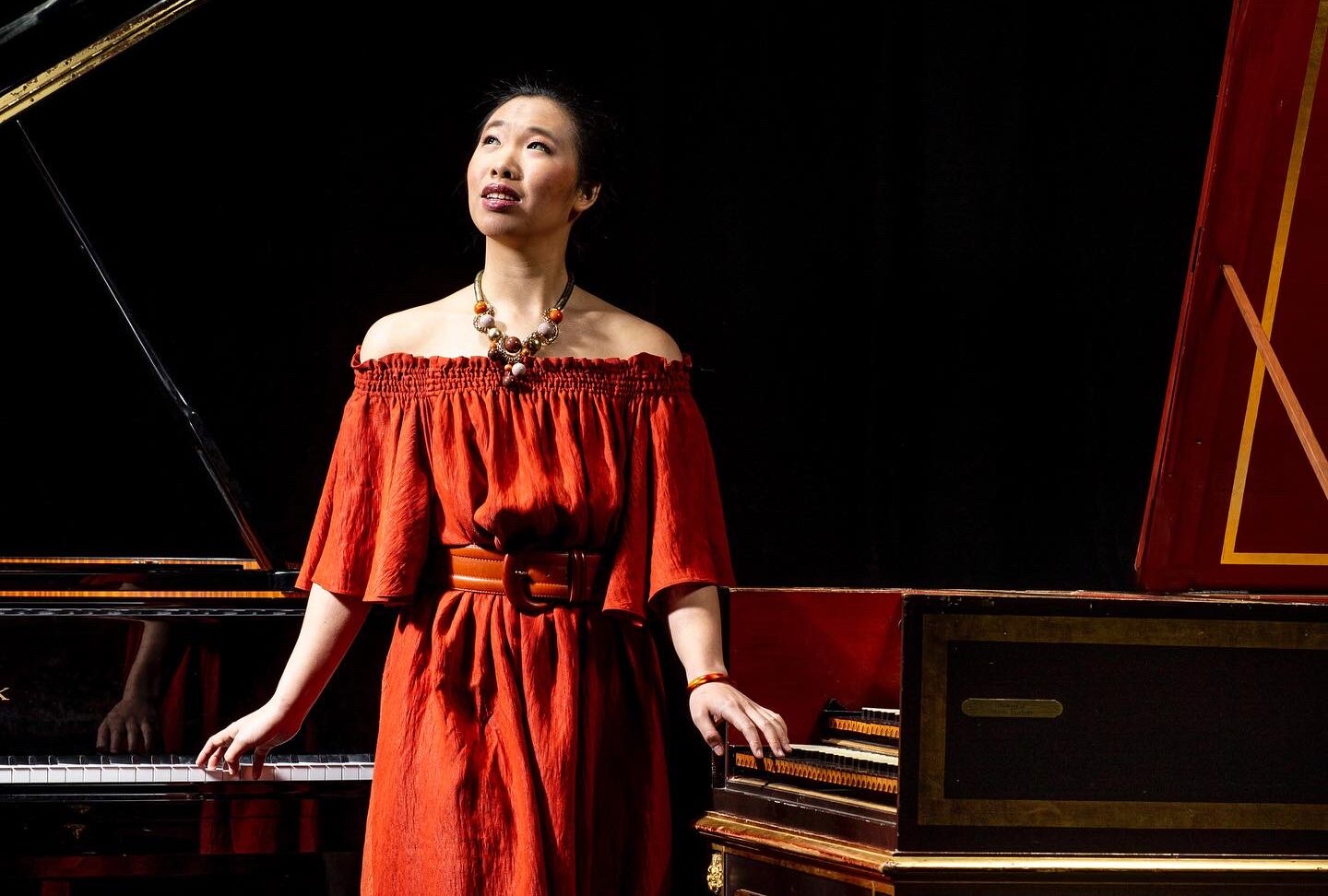 Read more: PD Soros Fellow Hilda Huang: A Voice Across Centuries
- Fellow Highlights
PD Soros Fellow Hilda Huang: A Voice Across Centuries
-
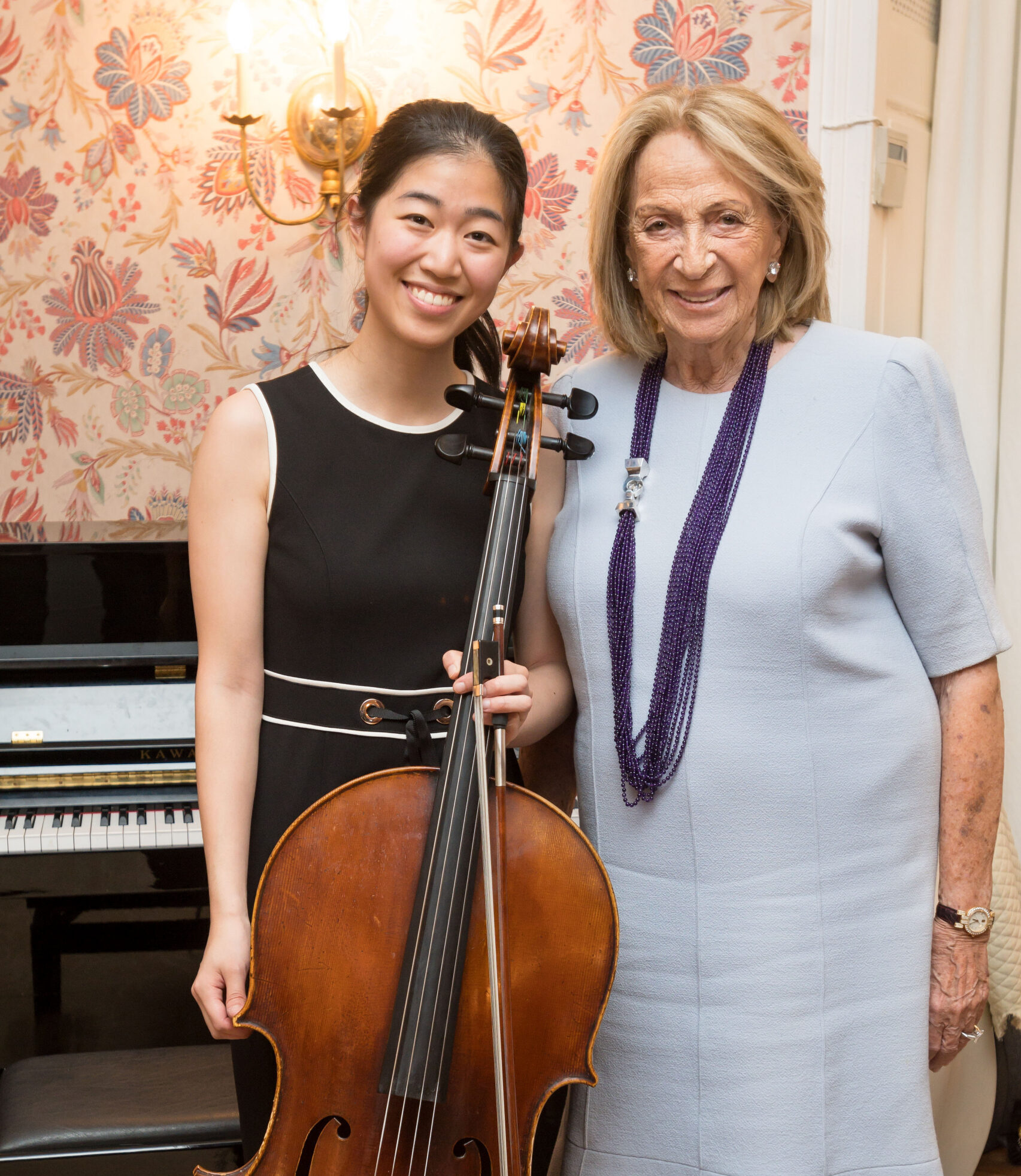 Read more: Musicians: Applying for the PD Soros Fellowship
- Applicant Information
- Fellow Highlights
- Music
Musicians: Applying for the PD Soros Fellowship
-
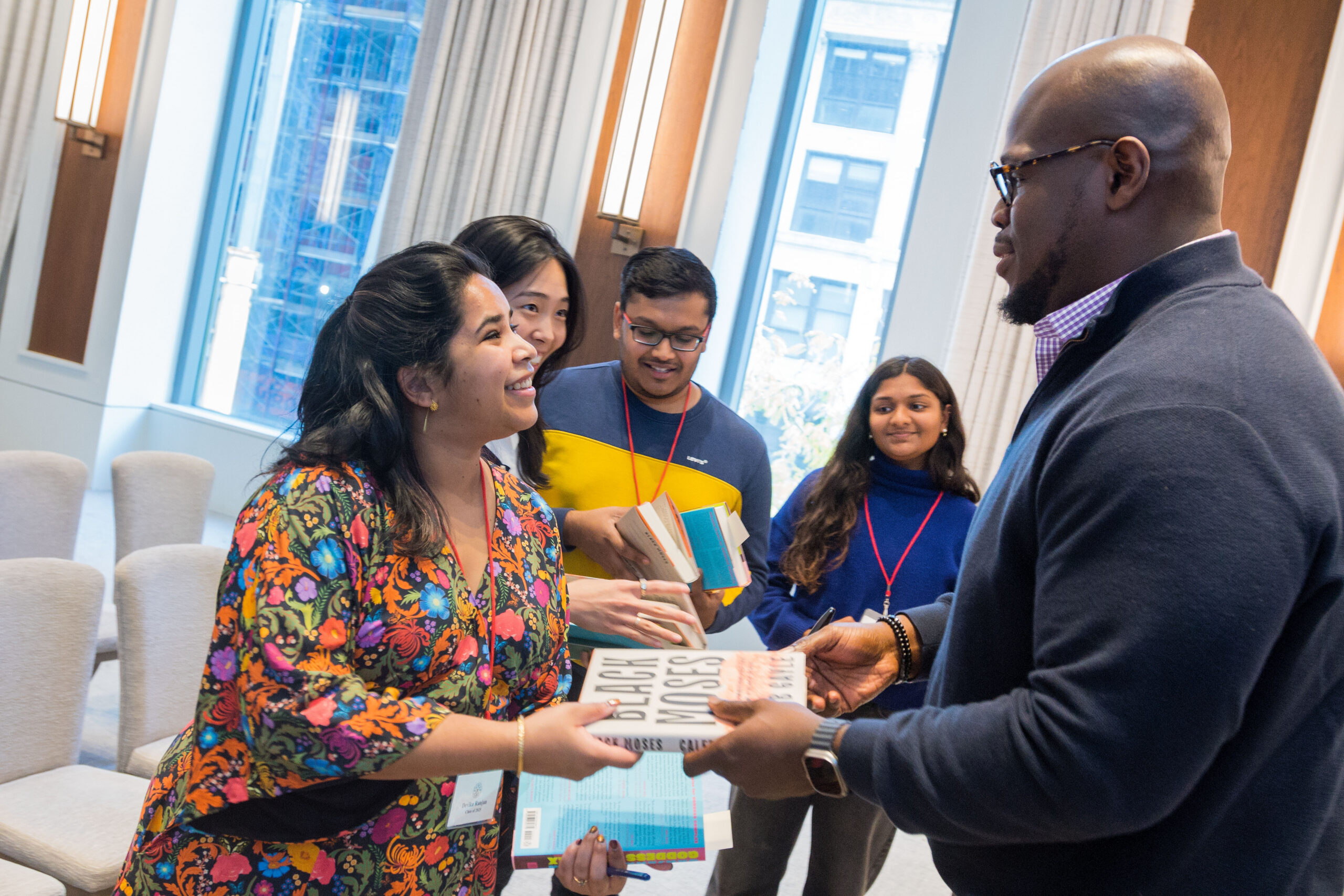 Read more: Writers: Applying for the PD Soros Fellowship
- Applicant Information
Writers: Applying for the PD Soros Fellowship
-
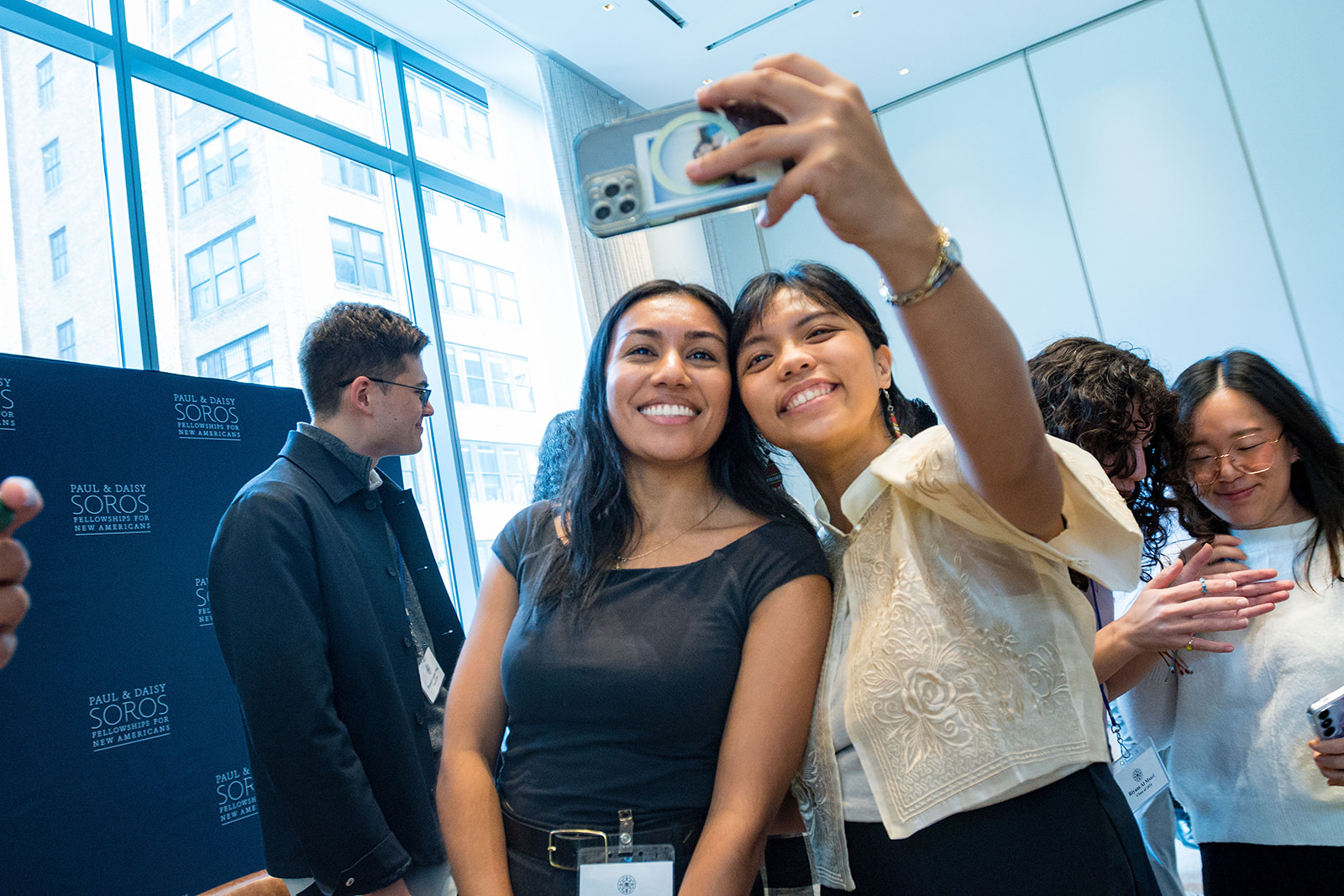 Read more: Q&A: JD Student Ananya Agustin Malhotra Looks Back At The Fellowship
- Fellow Highlights
Q&A: JD Student Ananya Agustin Malhotra Looks Back At The Fellowship